
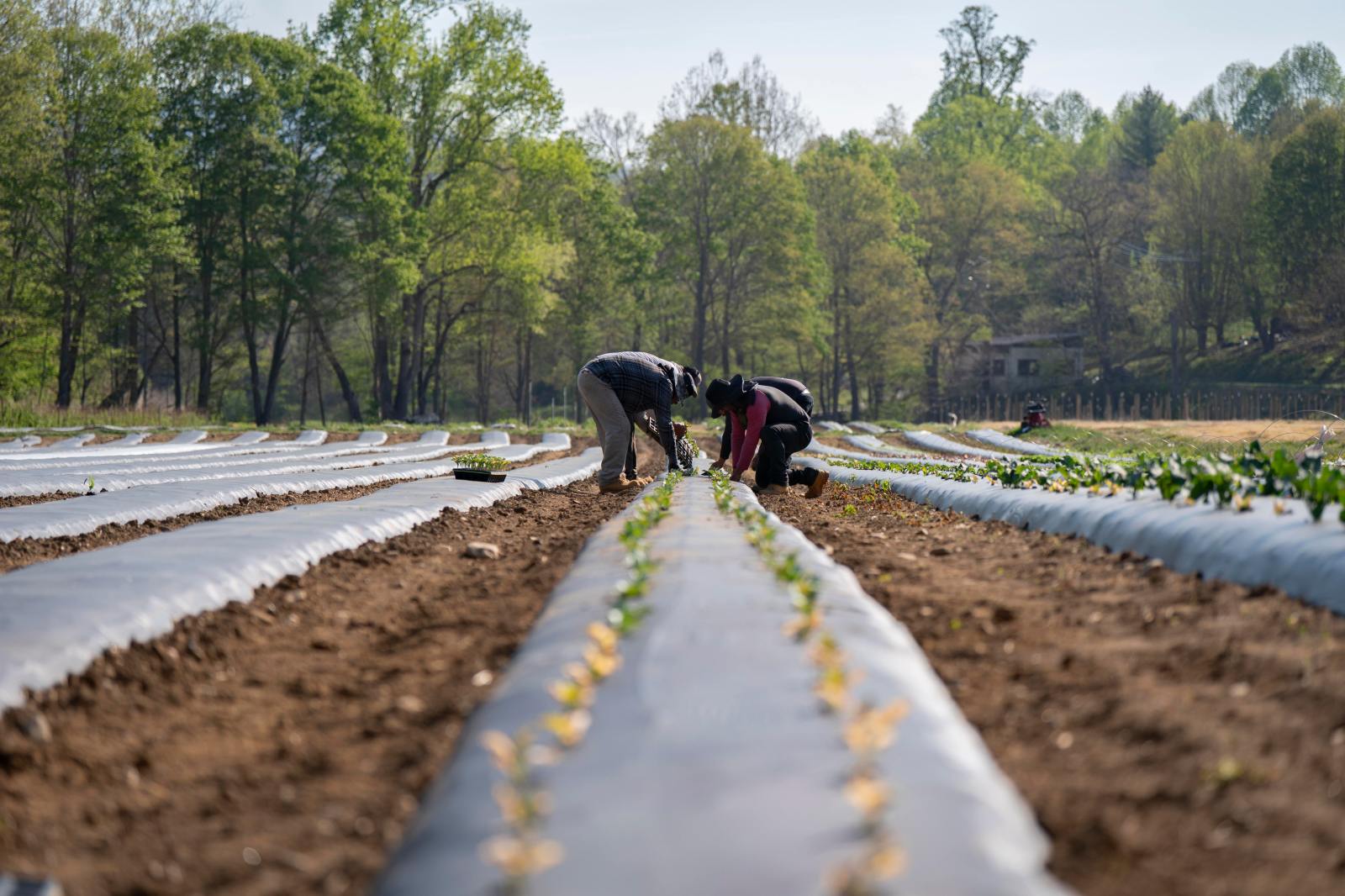
A recent judicial decision has invalidated a rule from the Trump administration aiming to lower wage obligations for foreign agricultural workers, due to insufficient assurance that U.S. farmworker wages wouldn’t be adversely impacted. The Department of Labor’s methods were found lacking as explained in a 28-page order by U.S. District Judge Kirk Sherriff, a Biden appointee, on Tuesday.
The rule in question altered the H-2A wage system and was argued to be essential due to agriculture labor shortages and increased immigration enforcement. Despite refraining from immediately nullifying the rule to avoid labor market disruption, the court instructed the Labor Department to promptly devise a new wage-setting approach. Employers face potential backpay liabilities should revised rates exceed current levels.
“This decision acknowledges the vital role of farmworkers and the necessity of fair compensation,” commented Teresa Romero, United Farm Workers’ president. “Fast action is required from the government to set new, lawful wage rates safeguarding local farmworker jobs and wages. Employers must be accountable for discrepancies in wage rates,” she added.
The case focuses on the Adverse Effect Wage Rate, or AEWR, as the minimum earnings for foreign workers under the H-2A visa program. By law, the Labor Department must protect U.S. workers’ wages and job conditions from being adversely impacted by temporary foreign hires. Previously, wage determinations used USDA data and considered regional averages, which changed post-2025 when USDA halted its Farm Labor Survey.
The interim final rule by the Labor Department significantly altered wage calculations and introduced varied categorizations affecting pay structures. The rule reportedly reduced many farm wages by up to $7 per hour, significantly impacting workers in certain regions, while the DOL predicted $2.46 billion in wage transfers from employees to employers annually.
This change included a new two-tier wage framework, housing adjustment lowering wage levels owing to employer-provided housing, and revised job classifications potentially reducing pay for skilled workers. These changes could shift more costs onto workers, undermining the administration’s stated goals.
Judge’s Decision
Central to the ruling is whether reduced H-2A wages would harm U.S. workers’ earnings. The judge criticized setting wages for most H-2A roles below historical norms, especially using a tier system pegged to the 17th percentile instead of average earnings. Concerns also emerged about incentivizing favoring foreign workers through low wages alongside housing provisions.
Impact on Trump’s Immigration Policies
The wage rule coincided with Trump’s agenda combining stringent immigration measures with legal labor channels benefiting immigrant-reliant sectors. The aim was to ease growers’ transition from unauthorized to legal labor without inflating costs and threatening agriculture output.
The Labor Department tied wage changes to immigration enforcement, claiming labor shortages might ensue with unauthorized worker exits. The administration perceived legal guest-worker setups as alternatives to undocumented labor. The judge questioned this need, noting the unchecked growth of H-2A program participation and robust sector earnings contradicting claims of unsustainable legal worker costs.
Next Steps
The court directed the Labor Department to expedite revising the wage system and announce replacement rates. Existing regulations persist until new rates are determined, and wage-adjustment payments may be applicable if the new policy elevates wages currently being paid. Implementation specifics will follow after publicizing revised rates.