
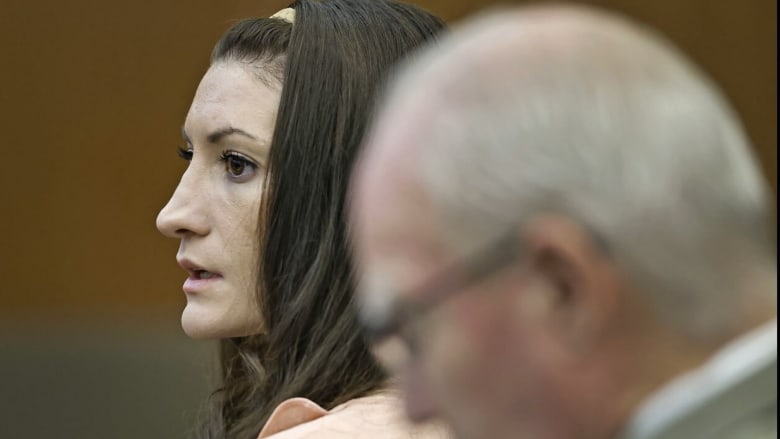
The presentation of evidence is set to conclude today in Lindsay Clancy’s murder trial. Clancy is accused of killing her three young children, ages five, three, and eight months, at their home in January 2023.
A key issue in the trial is Clancy’s mental health. Prosecutors argue that she deliberately killed her children, while her defense claims she was suffering from postpartum psychosis and could not understand the wrongfulness of her actions. The prosecution’s final witnesses aimed to challenge claims of postpartum psychosis and question whether a voice instructed her to commit the acts.
Clancy’s defense attorney emphasized previous testimony from her friends and family, including her husband Patrick Clancy, portraying her as an “incredible mother dedicated to her children.” The trial, which has spanned five weeks, has ignited discussions across podcasts and social media, extending beyond the confines of the Massachusetts courtroom. The defense suggests Clancy as a representation of shortcomings in maternal healthcare.
Closing arguments may start Thursday, according to Judge William Sullivan. He told jurors they would likely receive the case by week’s end and reminded them of the importance of hearing the closing arguments and the laws they must apply.
A forensic psychologist, Kirk Heilbrun, presented pivotal testimony, asserting that Clancy was “criminally responsible” and had “moral awareness” of the wrongfulness of her actions. This line of questioning holds significant weight for the prosecution’s case.
In connection with the trial, three mothers who survived postpartum psychosis shared their experiences, highlighting the severity of this condition. Ayana Lage, 33, shared her humbling 2020 experience, emphasizing that psychosis does not discriminate based on status, age, or socioeconomic background.
The trial touches on postpartum psychosis, a rare mental health disorder invoked by Clancy’s defense as the reason behind her actions. It remains a challenging condition to diagnose and treat, underscoring the complexity faced by both professionals and affected individuals.