
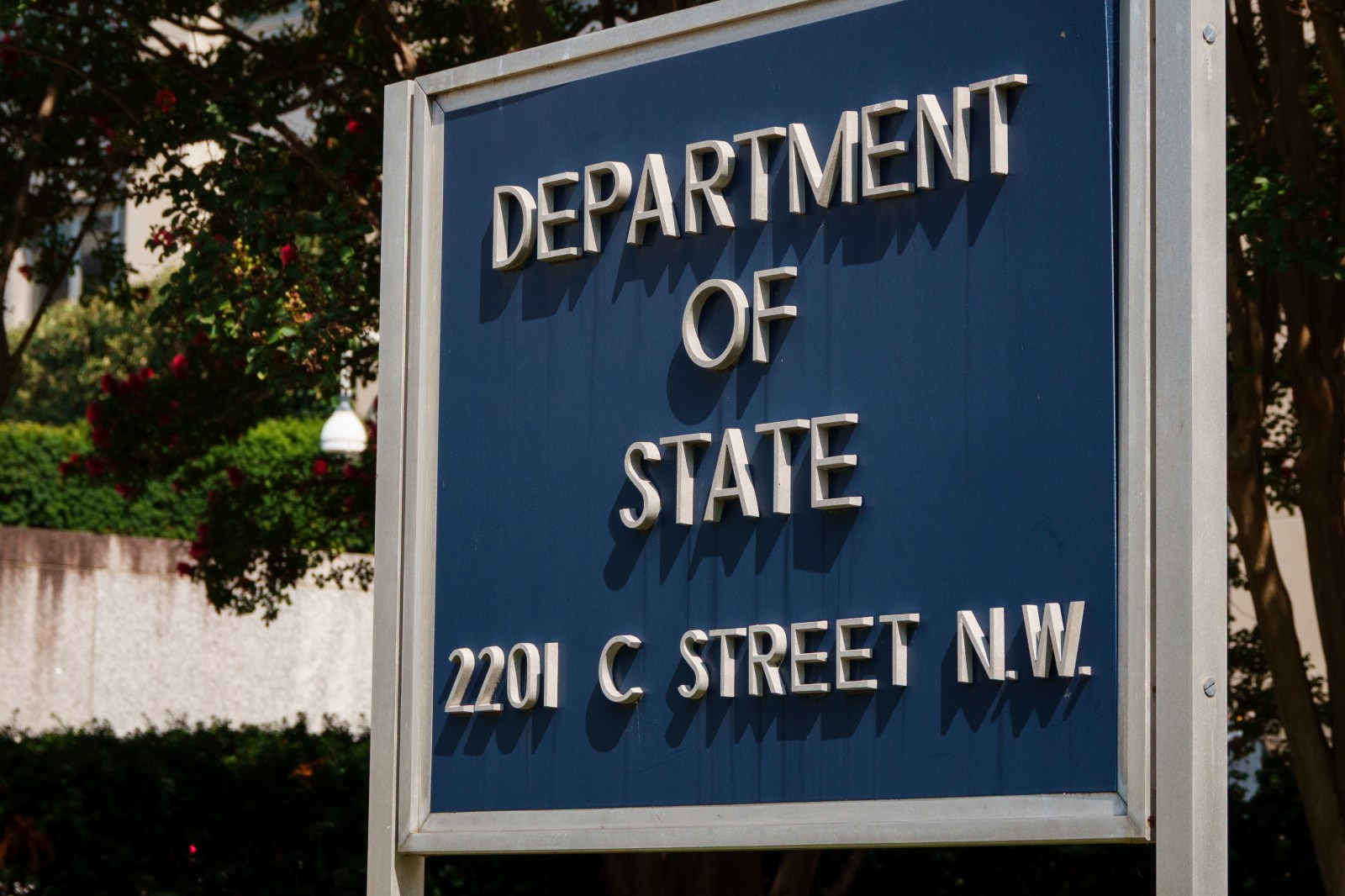
The Trump administration is preparing to revoke visas from approximately 200,000 immigrants who entered the United States on temporary visas and later applied for asylum. Documents from the State Department and insights from officials indicate that holders of B1 and B2 visas, typically for tourism or business, could be particularly impacted. If executed, this would represent the largest visa revocation effort in U.S. history, aligning with President Donald Trump’s commitment to deport immigrants who are in the U.S. illegally or have overstayed their visas.
This plan will be implemented in cooperation with the Department of Homeland Security (DHS). However, DHS has deferred comments to the State Department. State Department spokesperson Tommy Pigott emphasized that under President Trump and Secretary of State Marco Rubio, the administration views a visa as a privilege rather than a right. The State Department is working with DHS to identify and revoke visas from individuals who entered the U.S. as short-term visitors but then sought asylum to stay longer.
Understanding B-1 and B-2 Visas
B-1 and B-2 visas are common U.S. travel documents. B-1 visas cater to short-term business visitors attending meetings, conferences, or professional activities. B-2 visas are intended for tourism, family visits, medical treatment, and similar travel purposes. Often, applicants receive a combined B-1/B-2 visa for both travel types.
These visas are nonimmigrant, necessitating proof of intent to leave the U.S. after a temporary visit. They do not offer a path to permanent residency, employment authorization, or long-term legal status. Pigott highlighted that obtaining a visa to seek asylum constitutes fraud, which can lead to visa revocation. The administration is actively upholding visa and asylum law integrity.
Significance of the Proposed Action
The State Department intends to revoke B-1 and B-2 visas issued from 2016 to 2026 to those who have sought asylum in the U.S., impacting potentially 200,000 people. Legal experts and immigration advocates may challenge this move, as U.S. law permits individuals present in the country to apply for asylum if they meet the necessary requirements and are not otherwise barred from protection. This initiative could present a major legal test of the administration’s power to alter immigration policy through such restrictions.
Asylum and Visa Fraud Debate
A key issue is whether seeking asylum after arrival on a visitor visa automatically suggests the visa was acquired under false pretenses. The administration argues that many are using asylum claims to bypass standard immigration rules. Deputy Secretary of State Christopher Landau stated that people are frustrated with false asylum claims, viewing them as a loophole for migrants wanting to stay in the U.S. However, immigration lawyers point out that circumstances may change after entry, prompting legitimate protection needs. Federal law allows eligible individuals to seek refuge post-entry, with immigration courts assessing claim validity. The administration’s proposal touches on the ongoing debate over the importance of initial intent versus post-arrival circumstances.