
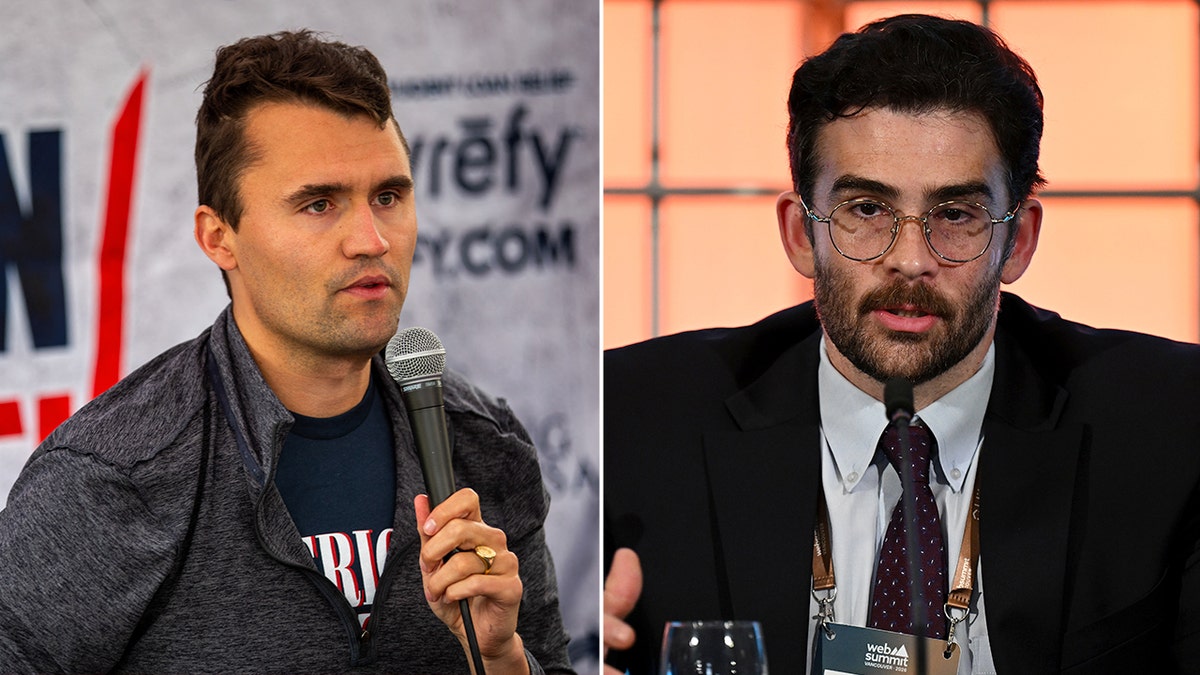
Recent events across the United States have highlighted a disturbing trend: the use of assassination fantasies and mockery in political discourse. Protesters on the political left have acted in ways that dismiss the assassination of Charlie Kirk, performing skits that reenact his murder. Individuals like Jennifer Welch have attempted to rationalize such actions.
This behavior reached a peak when Hasan Piker led a crowd in San Francisco, mocking Kirk and his beliefs. Before his death, Kirk had debated Piker, labeling him a ‘socialist hypocrite.’ What stands out is not just Piker’s actions, but the crowd’s enthusiasm in embracing these hostile tactics. It’s a reflection of an era marked by intense anger.
During Piker’s event, attendees sang a song titled ‘We Are Charlie Kirk,’ which contained references to battling for the gospel in Kirk’s name. Participants at this gathering included figures such as Will Neff, QTCinderella, and AustinShow. They joined in the festivities at the Golden Gate Theatre, demonstrating a lack of sensitivity to violence and hatred.
The atmosphere was further fueled by rhetoric akin to that of extremist groups, purportedly protected as free speech. Ironically, those on the left who accuse others of intolerance often engage in similar practices. Political leaders continue to claim threats to democracy, yet these predictions do not seem to resonate strongly with their base.
Rhetoric has grown exceedingly intense, like Florida Senate candidate Angie Nixon comparing ICE agents to ‘modern-day slave catchers’ and asserting government intentions to harm citizens. This narrative allows individuals to adopt hateful language under the guise of fighting extremism.
Piker’s antics serve as a prime example of commodifying rage, earning him significant financial rewards. Charlie Kirk’s attempts to challenge this intolerance have met backlash, especially on college campuses where debate is often stifled.
Instances such as pro-life teenagers being expelled from an Idaho café, or faculty members attacking students for opposing views, reflect this intolerance. Figures like Abdul El-Sayed even use violent language, offering threats against political opposition.
It’s evident that civility is diminishing, supplanted by figures who inflame anger and resentment. As demonstrated by events in San Francisco, the assassination of ideological opponents is trivialized in this age of rage.
Jonathan Turley, the author of Rage and the Republic: The Unfinished Story of the American Revolution, provides a perspective on the issue. His work outlines the addictive nature of rage and the impact it has on public discourse. Turley, a respected legal scholar, has been a prominent voice in discussions surrounding legal and constitutional matters, offering insights based on extensive experience and scholarship.