
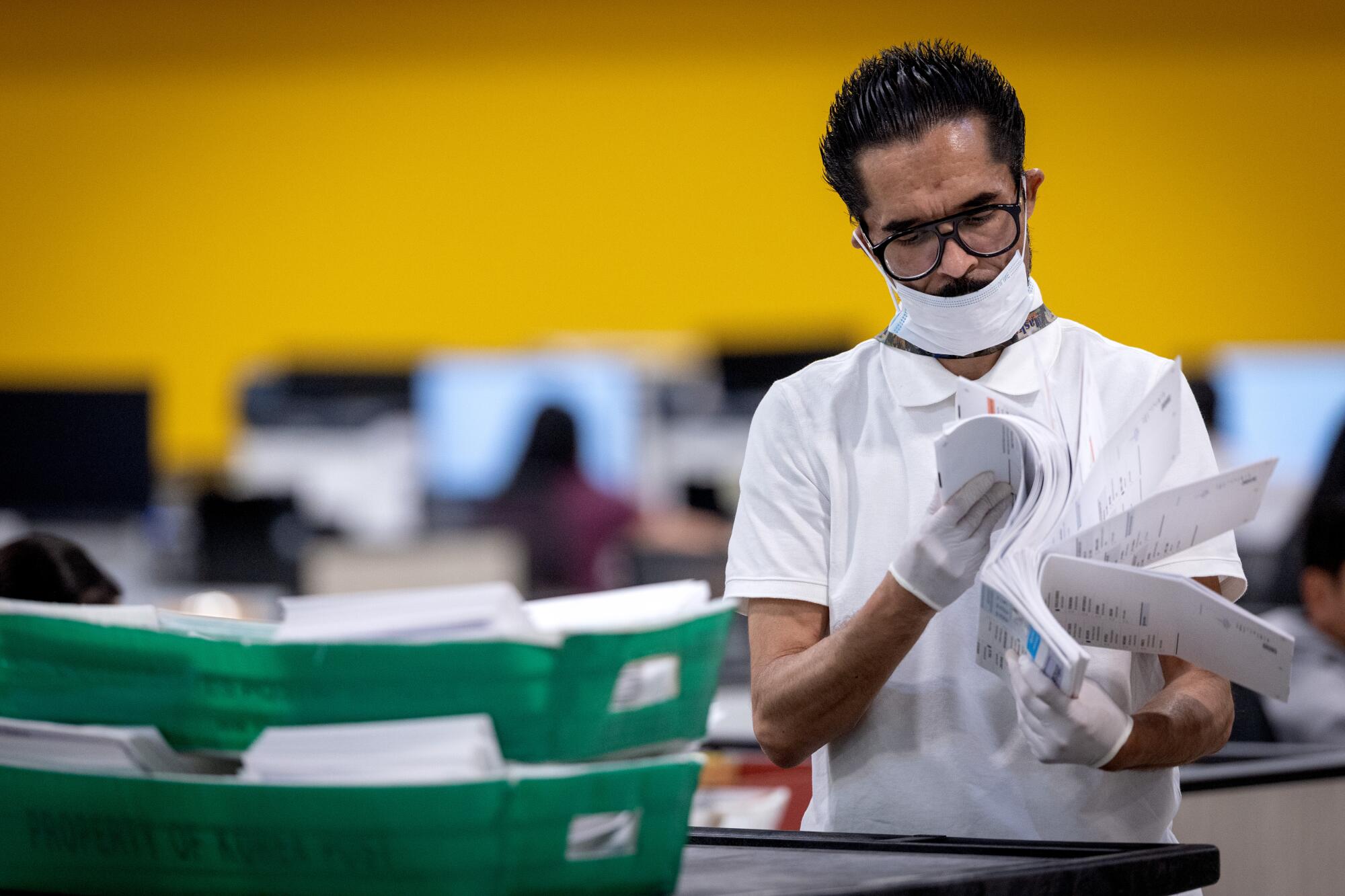
Several U.S. cities are equipping poll workers with panic buttons as a precaution against confrontations from election skeptics. Meanwhile, officials at county and state levels are exploring options in response to possible immigration raids near voting locations. Lawyers representing Democratic states and civic organizations are readying legal challenges to potential ballot seizures, while aides in Washington gear up Congress members to counter unfounded claims of voter fraud in critical districts.
Across California and nationally, civic bodies, voting rights groups, and Democratic leaders are preparing to withstand anticipated actions from the Trump administration aimed at disrupting or denying the upcoming November midterm elections.
President Trump, long an election opponent, claims without evidence that fraud heavily taints the U.S. election system, making it susceptible to interference both domestically and internationally. He asserts his willingness to take any steps necessary to ensure “honest elections” and has attempted to revise national voting rules unilaterally through executive orders.
Trump has left the door open to using unconventional methods such as emergency declarations and deploying military forces to influence the November election, hinting in February at Republicans controlling voting in states led by Democrats.
Concerns Over Election Security
Election experts argue that there is no proof of widespread voter fraud in previous American elections, despite ongoing searches by Trump allies. Preparation to prevent interference by Trump includes maintaining secrecy to avoid alerting the administration while minimizing unnecessary voter anxiety.
The overarching strategy is formulated to deal with perceived threats—public deception before voting, disruption during elections, and denial of unfavorable outcomes afterward, explained Justin Vail of Protect Democracy.
Potential scenarios include deploying troops or immigration agents to polling places intimidating voters, inciting unrest as a national emergency pretext, fraud claims in significant congressional races, or instructing the U.S. Postal Service to disrupt mail-in ballots. These measures reflect a unique effort to secure elections from federal interference.
The diminished trust between state and local election officials, voting advocates, and the federal administration stems from the latter’s derogatory stance and attempts to commandeer voting control from states.
Political and Legal Preparations
Amid increasing public frustration with economic conditions and Trump’s waning approval ratings, Democrats express optimism about reclaiming Congressional power. Conversely, Trump suggests election integrity issues would be responsible for Republican losses.
California voters have shown significant concern about federal interference in elections, emphasizing it as a primary issue according to a recent UC Berkeley poll.
Senator Adam Schiff, along with a Senate task force he helped create, aims to prepare for threats posed by Trump’s willingness to influence the elections. Schiff conveyed optimism about the midterms, but highlighted unease over Trump’s intentions to meddle and the loss of moderating figures around him since 2020.
The groundwork involves political positioning and legal preparedness among Congress members, mayors, and local officials to counter potential election interference, backed by grassroots campaigns to support election security.
Skye Perryman, president of Democracy Forward, emphasized the unprecedented nature of the anticipated scenarios, highlighting the comprehensive nature of these preparations.
Trump’s Challenge to Election Integrity
Trump’s persistent refusal to acknowledge his 2020 electoral defeat fuels ongoing efforts to undermine trust in the voting system. Lobbying for the SAVE America Act, which demands stringent voter ID and citizenship measures, reflects Trump’s continuous narrative of a compromised system.
Despite widespread audits supporting Biden’s win, Trump casts doubt over election integrity, insisting legislative reforms are required to restore confidence. The White House, however, avoids speculative discussions about midterm elections, rebuffing queries to enforce voting laws accountable to anyone infringing electoral regulations.
Concerns arise from Trump’s history of denying election results and his administration’s efforts to alter state voting processes through executive orders, litigation, and policies enforcing stricter regulations.
Trump’s suggestions, including potentially declaring a national security emergency to implement new voting restrictions, were met with alarm among analysts who anticipate increased intervention.
Efforts Against Potential Interference
Efforts to resist interference include preventing unconstitutional military deployment, thwarting actions undermining state voting systems, and encouraging voter participation amidst misinformation threats.
Senate aides continuously strategize to prepare safeguards against interference, adapting Congress’s response to various threats, ensuring messaging consistency across members, and scrutinizing recent legal limitations on federal powers.
Schiff expressed major concern over provocations possibly inciting unrest, giving the President a pretense to deploy military forces or invoke emergency measures. He noted lawsuits as a necessary but imperfect solution to such scenarios.
California officials, including attorneys, work diligently on thwarting potential illegal federal actions, safeguarding the fundamental right to vote.
Local efforts focus on promoting election integrity and protecting vote centers from harassment, engaging community leaders to manage tensions arising from national rhetoric.