
An experimental vaccine for skin cancer has shown promise in reducing the chance of melanoma returning or spreading according to a late-stage clinical trial by Merck and Moderna. This marks a significant breakthrough as the first positive Phase 3 trial for an mRNA-based personalized cancer treatment, the companies report.
Clinical Trial Results
The study, known as INTerpath-001, included 1,137 patients globally who had surgery to remove high-risk melanoma stages (Stage IIB through Stage IV). Patients received either Keytruda combined with the personalized vaccine or Keytruda with a placebo.
The combination treatment significantly improved “recurrence-free survival,” reducing the likelihood of cancer return compared to Keytruda alone. “Distant metastasis-free survival,” which measures patients’ survival without cancer spreading, also improved significantly.
“This represents a pivotal moment for cancer research,” said Stéphane Bancel, CEO of Moderna. “We are making strides in creating mRNA treatments tailored for individual patients.”
How the Vaccine Works
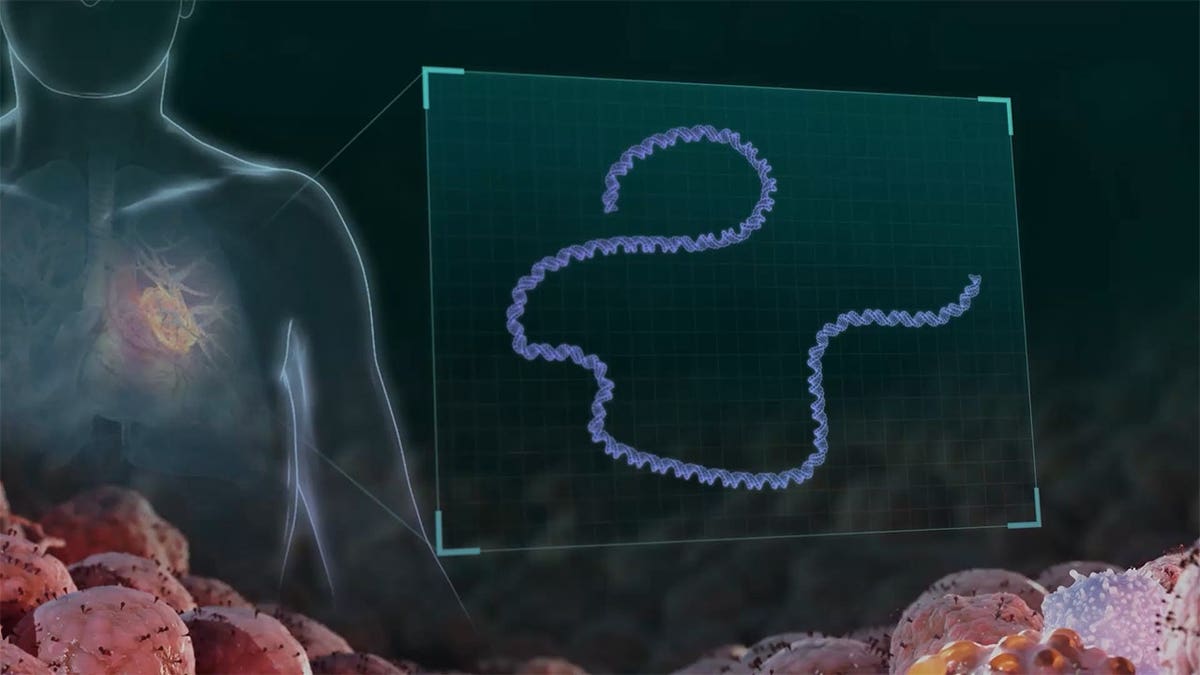
Unlike traditional vaccines, this mRNA vaccine is given after surgery to train the immune system to target cancer cells. The vaccine uses tumor-specific neoantigens selected by analyzing the genetic sequence of both cancerous and healthy tissues. This personalized approach aims to instruct the immune system to effectively target and eliminate cancer cells without affecting normal cells.
Implications of Personalized Treatment
Dr. Murad Alam from Northwestern Medicine noted the individualized nature of this treatment, explaining why it holds promise where traditional therapies may fail. The immune system is specifically directed to recognize and attack tumor targets, minimizing harm to healthy cells.
This approach focuses on cases where melanoma poses a serious risk, not as a preventive measure for those without the disease or with only a small tumor. The aim is to extend life for those with significant disease progression.
The Role of AI in Development
Artificial intelligence plays a crucial role in determining which antigens to include in the vaccine to tailor it effectively for each patient. AI reduces time and resources needed for this personalized approach, making it feasible for wider application.
“AI enables quick and resource-efficient vaccine development tailored to individual cases,” Alam emphasized.
Regulatory and Future Steps
Following the trial success, Merck and Moderna plan to discuss regulatory filings with authorities worldwide, including the U.S. FDA. The companies are also exploring the potential of using this vaccine technology against other challenging cancers like lung, bladder, and kidney cancers.
Though the results are promising, the duration of cancer-free outcomes and impact on overall survival remain under investigation. The study mainly involved patients who had surgery with no prior treatments, limiting its applicability to other cancer types or stages.
Side effects were consistent with earlier studies, showing a favorable safety profile. Common side effects included mild fatigue, chills, and injection site pain.
“The targeted nature of this treatment results in mild side effects compared to traditional cancer medications,” Alam stated.
Overall, the findings highlight potential advancements in personalized cancer therapies, though more data is needed on long-term results.