
U.S. Sanctions and Threats Against Iran
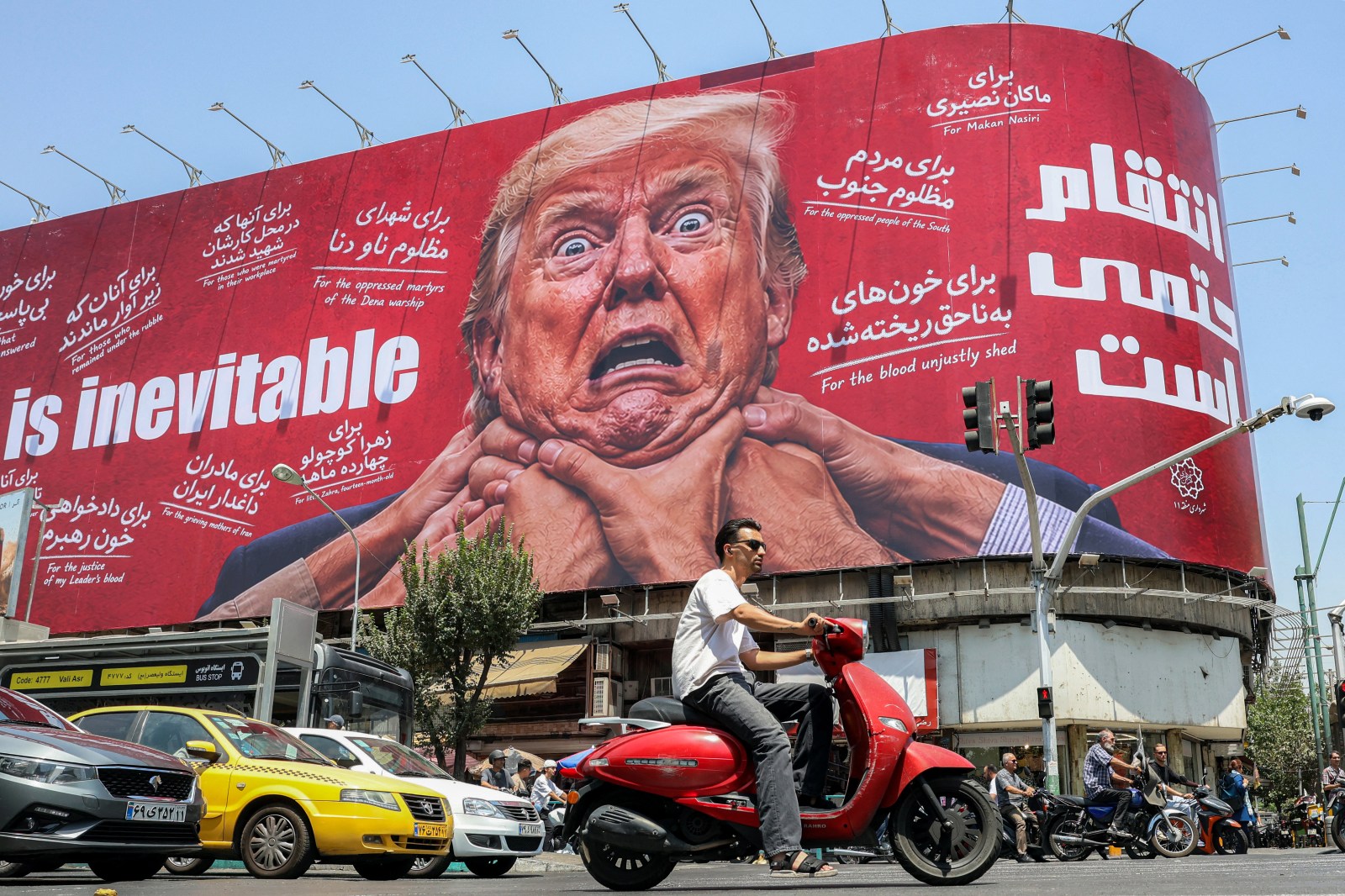
President Donald Trump has recently warned Iran of facing “the most crushing economic operation ever taken against any country.” This bold statement aligns with several other threats issued by the White House aimed at forcing the Islamic Republic to capitulate.
Previously, Trump indicated an intention to launch “the biggest attack since World War II” against Iran. Prior to this, during the U.S.-Israeli conflict with Iran, he suggested a potential catastrophic event, stating “a whole civilization will die tonight.” Despite the alarming nature of these threats, none were executed, as diplomatic efforts took precedence.
Shifts in Diplomatic Engagement
While Trump has stated negotiations with Iran are not on the table, his adviser and son-in-law, Jared Kushner, earlier suggested a more open stance. A source revealed to Newsweek that some positive discussions had occurred, yet Trump chose to hold off on engaging further until Iran is ready to negotiate.
Inside Tehran, Trump’s threats appear to lack significant impact. Calls for escalation over compromise are gaining momentum. Mehran Kamrava, a political expert, commented that Iranian leaders are now dismissive of such threats, potentially leading to increased military tensions.
Comparisons to ‘Madman Theory’
Observers have drawn parallels between Trump’s approach and the “madman theory,” which was once associated with former President Richard Nixon. This strategy hinges on maintaining uncertainty to potentially pressure adversaries like Iran, China, and Russia, into compliance.
However, Iran’s recent actions indicate their capacity to follow through on promises. Command of the Strait of Hormuz and regional military tactics have reinforced this stance, overshadowing U.S. attempts to undermine Iranian leadership.
Iran’s Military Capabilities and Regional Influence
Iran’s defense officials, like Brigadier General Hossein Mohebi, have alluded to advanced weaponry prepared for any potential conflict. This could shift tactics away from the existing strategies toward a more aggressive defense.
A significant component of Iran’s strategic leverage is ambiguity. This approach serves to contain opposition and keep diplomatic channels open, according to Mohsen Milani from the University of South Florida.
Economic and Strategic Stalemates
The announcement from the United Arab Emirates (UAE) to cease trade with Iran highlights regional tensions. Iran, however, has accused the U.S. and Israel of a “false flag operation.” Such dynamics contribute to the perception that economic measures will not easily bend Iran’s will.
Experts like Jon Alterman argue that Trump’s tactics haven’t significantly weakened Iran’s resolve. Withstanding 50 years of regional strife has strengthened their domestic credibility and determination to advance strategic goals.
Prospects for Future Diplomatic Efforts
Tensions reflect broader challenges for the U.S. and its allies. Future negotiations may continue, yet analysts predict incremental successes over sweeping resolutions.
Amidst global realignments, Iran perceives this time as defining for asserting and securing its position, rather than conceding to external pressure. Patience and determination remain pivotal in their strategy moving forward.