
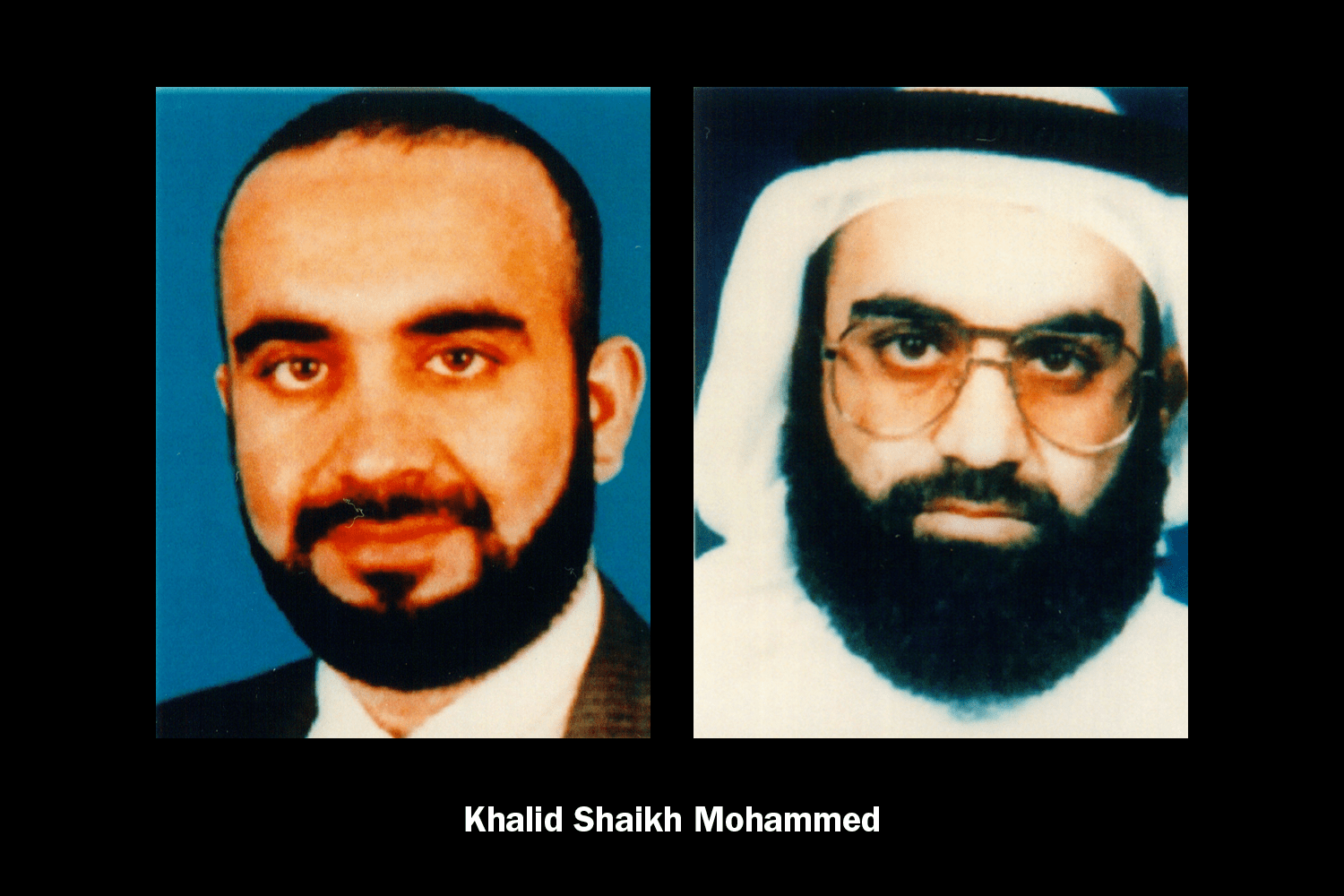
In the lead-up to the September 11 attacks, communication between key figures was crucial in planning the devastating events. On August 19, 2001, Mohammed Atta, located in the U.S., and Ramzi bin al-Shibh, stationed in Berlin, held a significant conversation about the intended targets.
Interrogations and debriefings at Guantanamo revealed that Ramzi bin al-Shibh described this conversation using a code to portray them as students discussing academic subjects. Former U.S. Secretary of Defense Donald Rumsfeld’s memoir, Known and Unknown, indicates that in this coded discussion, the term “architecture” signified the World Trade Center, “arts” pointed to the Pentagon, “law” referred to the U.S. Capitol, and “politics” meant the White House.
From the starting point in 1999, when the Hamburg cell received their mission to execute the planes operation, the al-Qaeda leadership envisioned striking a political, a military, and a financial site.
Initially, in Afghanistan, the targets were established as the White House, the Pentagon, and the World Trade Center. Osama bin Laden, prioritizing symbolic damage, personally preferred the U.S. Capitol, informing Atta about its representation of American support for Israel. Khalid Sheikh Mohammed reported that Atta held the authority to make the final call based on situational factors.
Atta, alongside Marwan al-Shehhi, visited both the World Trade Center and Washington, D.C., conducting a reconnaissance, including a tour of the Pentagon. Atta concluded the White House was too challenging due to its smaller size and its position between the Treasury Department and the Eisenhower Executive Office Building. The other targets, being more accessible, were more feasible.
According to FBI agents’ reconstruction, Atta and al-Shehhi resolved to perform their attack nearly simultaneously on the Twin Towers. They wanted to hit them first, followed quickly by attacks on Washington’s targets. Hani Hanjour, piloting a plane from Dulles Airport, was to strike the Pentagon. Ziad Jarrah, departing from Newark, was designated to target the Capitol.
Though it’s uncertain whether Atta conveyed his exact plans to al-Qaeda, bin al-Shibh urged Atta to keep the White House as a potential target, acknowledging its difficulties. This strategic planning illustrates the critical importance of their intended targets, as the attack on both Twin Towers was essential for the eventual collapse. Structural studies reveal that hitting only one tower might not have led to such destruction.
The collapse of adjacent structures, like 7 World Trade Center, which fell from the cumulative effects of fires and debris, underscores the planned impact. If al-Qaeda’s scheme had been followed precisely, the extent of devastation could have differed greatly. Meanwhile, the White House, as a target, held the potential for symbolic annihilation.
Reflecting on these potential outcomes reveals that the impact had the White House been struck, including the possible deaths of key figures like Vice President Dick Cheney, would have dramatically changed subsequent global dynamics.
The chosen targets and planning complexities underscore the devastation of that day. These insights are vital in understanding the factors and decisions leading up to the tragic events that reshaped history.