
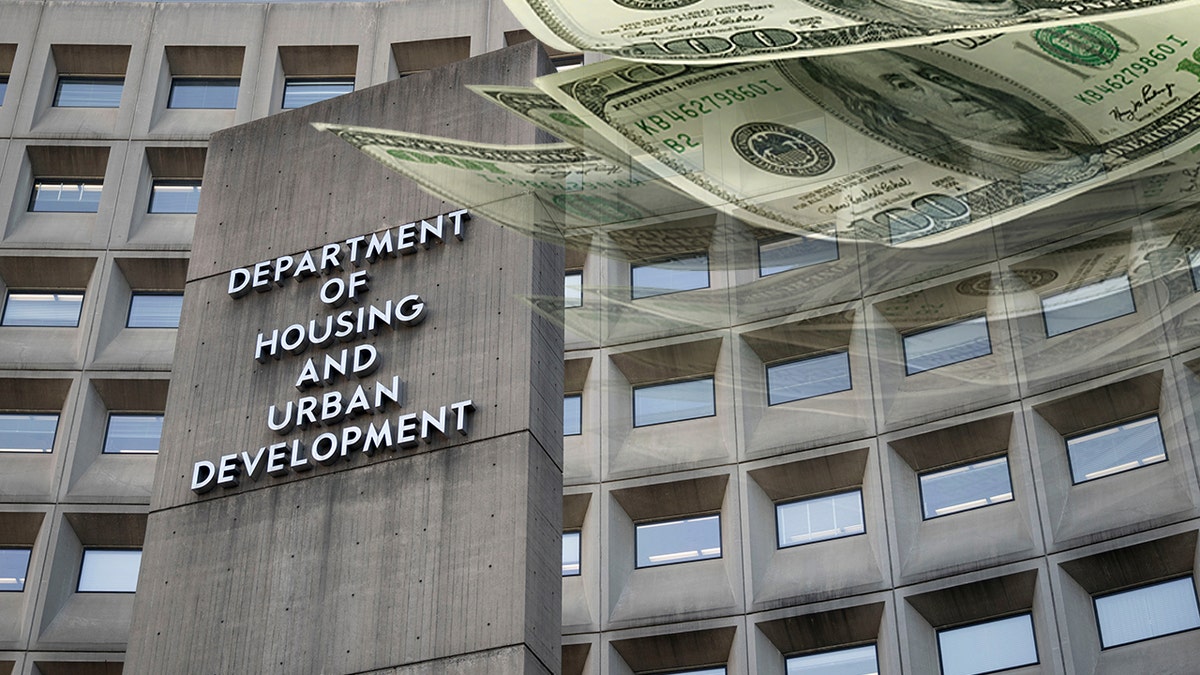
The American dream of owning a home has become increasingly elusive over the past decade. Despite Washington allocating hundreds of billions on housing programs, this goal remains out of reach for many. According to an analysis by Open The Books, a government watchdog focused on spending, there is no significant link between federal housing investment and improved affordability across the states.
Open The Books conducted an extensive review of home prices and household income over ten years across all 50 states, juxtaposing this data with federal housing expenditures. Their findings revealed that home prices outpaced median household income growth in every state during this period. The analysis introduced a metric termed the “Affordability Gap,” highlighting how much faster home prices rose compared to income. This gap widened in every state, with many states experiencing price growth exceeding income growth by over 50 percentage points.
Christopher Neefus, vice president of communications for Open The Books, emphasized the ineffectiveness of federal initiatives removed from local housing markets. “A single agency in Washington struggles to provide a uniform solution,” he said. Neefus advocates for addressing local regulatory hurdles and zoning restrictions as more effective paths to improving housing affordability.
To assess the relationship between federal spending and housing affordability, the organization tallied about $460 billion in HUD (Department of Housing and Urban Development) spending from 2015 to 2024. This spending spanned 18 programs related to housing affordability and availability. Their analysis showed no clear correlation between HUD funding amounts and the size of the affordability gap in the states examined.
HUD, in response, stressed efforts under the Trump administration to reduce regulations, cut fraud, and transfer housing policy decisions to state and local entities. “We’re empowering state and local leaders to advance proven solutions,” a HUD spokesperson remarked, underscoring the belief that solutions lie beyond simply increasing federal spending.
Concern has grown over younger Americans’ ability to achieve traditional milestones such as homeownership. Median household income rose nearly 100% between 2000 and 2024, while single-family home prices increased by 150% within the same timeframe. Consequently, the median age of first-time homebuyers has risen to 40, reflecting how younger generations view homeownership compared to previous generations.
Neefus pointed out that these trends indicate why younger people might reconsider what the American dream means. He concluded, “This analysis shows that top-down spending alone won’t restore the dream of homeownership.”
Alec Schemmel, a Politics Reporter for Fox News Digital, provides insights from the Washington D.C.-Baltimore area.