
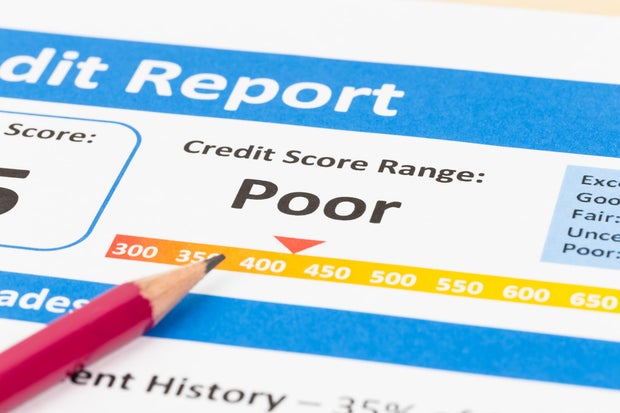
Borrowers now face significant credit card debt, fueled by ongoing economic challenges. Inflation continues to drive up costs, with credit card balances increasing by $21 billion in the second quarter of 2026. While delinquency rates show slight improvement, many borrowers still encounter past-due accounts and their credit implications. It’s crucial to know that some credit impacts may last longer than expected.
Recent research by the New York Federal Reserve indicates that lenders are not removing charged-off credit card accounts from credit reports as promptly as they used to. Consequently, borrowers with old delinquencies might see these debts persist on their reports, or even vanish and reappear unexpectedly. However, the presence of old debt on a credit report doesn’t always mean it should be there. It’s essential to determine if creditors can legally re-add such debts.
Can Old Debt Be Re-Added to Your Credit Report?
There are specific instances when an old debt can reappear on your credit report. However, the Fair Credit Reporting Act (FCRA) enforces limits on how long most negative information remains visible. Typically, negative credit details may appear on reports for a maximum of seven years. This period usually associates with the initial delinquency that led to an account being charged off or sent to collections.
This is crucial because debts can change ownership multiple times, complicating tracking. For instance, if your original creditor sells an unpaid balance to a debt buyer, and then it’s sold again, the new collector may report the debt if within the legal reporting period. Nonetheless, the reporting window doesn’t restart simply because a new collector acquired the account. Federal guidelines aim to prevent ‘re-aging’ by ensuring accurate delinquency dates.
Suppose an account delinquent years ago aged off your credit report; a recent purchase by a debt buyer should not reset the delinquency to extend reporting time. It’s important to differentiate between the credit-reporting time limit and the statute of limitations for debt. The latter defines how long collectors have legal rights to sue, varying by state and debt type, potentially complicating further efforts apart from credit reporting.
Be cautious about old debt payments without checking state laws. In some areas, even partial payment or debt acknowledgment might reset the lawsuit limitation period without impacting credit-reporting timelines.
What Should You Do if Old Debt Reappears?
Start by verifying details such as the first delinquency date, balance, and debt collector name, rather than assuming accurate reporting. Compare reports from the three major credit bureaus, as not all creditors report to each one.
If the debt seems outdated or inaccurate, you can dispute it. Both the credit bureau and the information supplier must investigate and amend errors if needed. However, if the debt is valid and still collectible, consider managing the balance. Direct negotiation with the debt collector, possibly settling for less than owed, could be an option.
If collections are part of broader financial struggles, consider debt relief possibilities like management plans, consolidation, or settlement. Ensure you validate unfamiliar debts on your report, checking ownership, balance accuracy, and payment implications on legal rights.
Conclusion
An old debt on your report isn’t a guaranteed problem. If within the reporting period, its reappearance could be legitimate, but the timeline can’t be extended by acquiring ownership or assigning new dates. If a debt reappears unexpectedly, scrutinize the dates and dispute inaccuracies as needed. For valid debts or broader issues, seek negotiation or debt relief strategies that align with your financial position.