
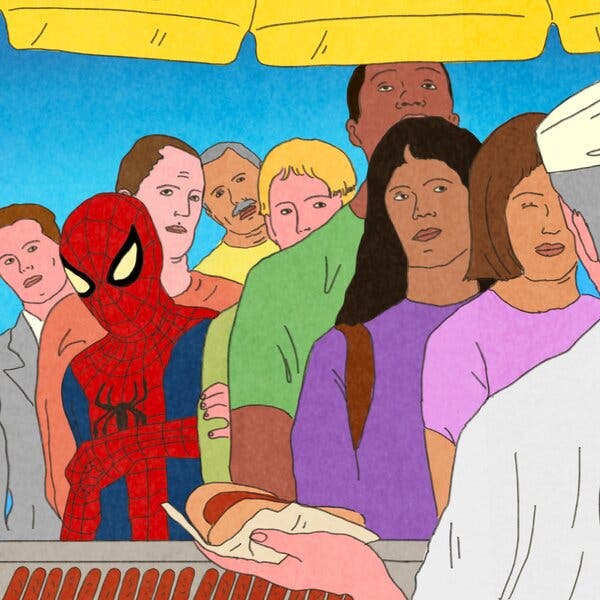
Superheroes in the Modern Context
Since the release of the first “Avengers” movie 14 years ago, the superhero genre has evolved considerably. However, the once enthralling supernatural strengths and near-indestructibility of these heroes are becoming less resonant against real world events. With the federal government embroiled in internal conflicts and facing issues with Iran, the current socio-political climate seems more pressing than the fantastical challenges of fictional superheroes.
Alternative Needed: Enter Spider-Man
Recent criticisms of conventional superheroes underscore the limitations of characters like Superman or Batman, who are overshadowed by current global issues. Unlike the Avengers or the X-Men, who often leave public chaos in their wake, Spider-Man offers a more relatable alternative.
Spider-Man’s Real-World Success
Two weekends ago, “Spider-Man: Brand New Day” premiered in nearly 4,500 theaters across North America, showcasing Peter Parker’s struggles across supernatural, romantic, financial, and psychological realms. Despite the obstacles faced, the film achieved a domestic box-office record, surpassing $500 million in opening week earnings. The global revenue could reach $2 billion by the end of this weekend. This commercial success underlines Spider-Man’s unique appeal as a different kind of hero.
Spider-Man’s Grounded Characteristics
Spider-Man stands out from other Marvel icons due to his comparatively simplistic abilities. While adept at scaling walls and utilizing web-shooters, Spider-Man cannot fly and relies on urban architecture for navigation. In stark contrast to more invulnerable heroes, Spider-Man is vulnerable, as illustrated by him getting injured in the latest movie. Without a high-tech fortress, he relies on a modest attic workshop for creating his gadgets.
Historical Genesis: Spider-Man’s Unique Journey
Initially, Spider-Man faced skepticism before his comic debut. Stan Lee’s publisher dismissed the concept, highlighting people’s aversion to spiders and the improbability of a teenage superhero dealing with personal problems. Despite these hurdles, Lee persisted, publishing Spider-Man’s story in 1962, leading to the character’s eventual success and lasting impact.