
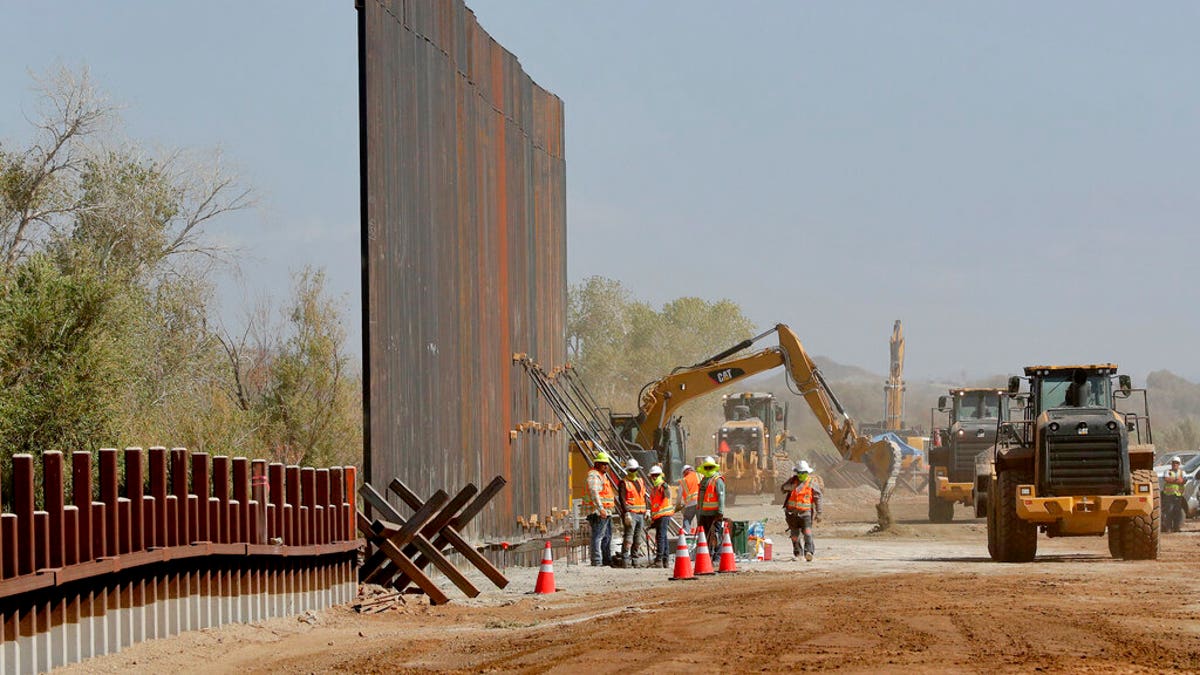
A federal judge in Arizona has allowed the construction of a border wall in the state. This decision follows efforts by the Tohono O’odham Nation to block the project, arguing it would illegally encroach on tribal lands and diminish the reservation’s size.
Judge Richard Leon referenced a 1907 federal proclamation, which states that the first 60 feet of the reservation could be appropriated for federal use. He concluded that national security and foreign policy concerns justify letting the government proceed with its plans.
“Given the national security and foreign policy considerations related to the border wall, deference to the government is warranted,” Judge Leon stated.
On September 10, 2019, contractors started erecting sections of the wall, upgrading previous, smaller fortifications along the Colorado River in Yuma, Arizona. Members of the Tohono O’odham Nation reacted by posting “no trespassing” signs after federal workers arrived to assess the border sites.
The Tohono reservation shares a 62-mile border with Mexico. In a Facebook post dated August 8, the tribe warned against construction activities, promising to inform, warn, and escort trespassers off their land.
Judge Leon emphasized that a proclamation by President Theodore Roosevelt in 1907 gives the U.S. federal government control over all public land within 60 feet of an international boundary. Roosevelt argued this was essential to prevent the smuggling of goods between the U.S. and Mexico. Notably, the Tohono O’odham area was not designated as a reservation until 1917.
The ruling serves as a victory for the federal government. It comes shortly after President Donald Trump’s administration marked 15 months without border releases at the U.S.-Mexico border. Secretary of Homeland Security Markwayne Mullin noted a 94% drop in daily apprehensions compared to former President Joe Biden’s term, hitting the lowest rate in 30 years.
“Again this month, the results are clear: President Trump’s border security agenda is restoring order and putting the safety of the American people first,” Mullin commented.
Mullin added that the Department of Homeland Security (DHS) remains committed to enforcing immigration laws, securing the border, and swiftly removing those entering the country illegally. He credited President Trump with creating what he described as the most secure border in history.
The case highlights ongoing tensions between federal objectives and Native American land rights, spotlighting broader implications for national security and immigration policy.