
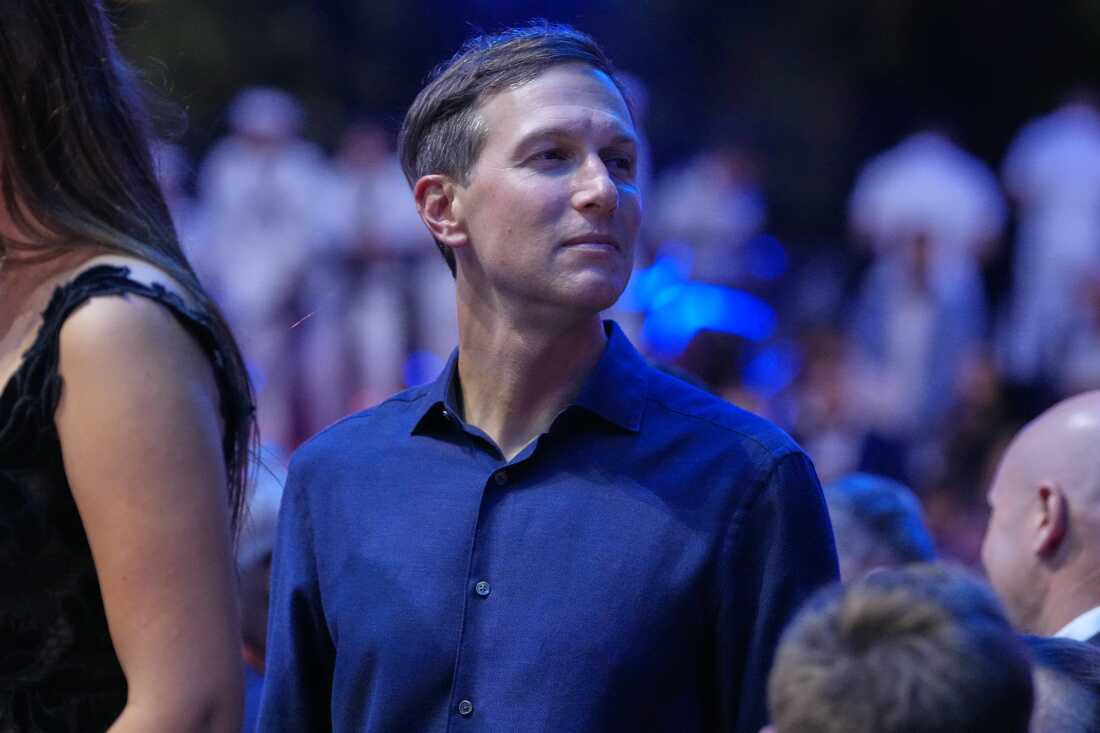
U.S. negotiator Jared Kushner, who is President Donald Trump’s son-in-law, held a significant meeting with Hamas leadership in Egypt. This diplomatic effort aims to advance the stalled Gaza ceasefire plan. Kushner is also set to meet with Israel’s Prime Minister Benjamin Netanyahu.
The Gaza Ceasefire Plan
The talks focus on implementing a 15-point road map that seeks the disarmament of Hamas in Gaza and the withdrawal of Israeli forces from war-torn Palestinian territories. Approximately 2 million people in Gaza, as well as the region’s reconstruction, are significantly affected by these negotiations.
In previous meetings, Kushner, together with envoy Steve Witkoff, engaged with Hamas leaders in Egypt. These meetings were crucial in clinching a ceasefire that was initially stalled due to disputes over Hamas’ disarmament.
Regional Involvement
The recent meeting in Egypt included key regional mediators from Egypt, Qatar, and Turkey. Despite resistance from Israeli Prime Minister Netanyahu, leaders like former British Prime Minister Tony Blair and Nickolay Mladenov, director of the U.S.-created Board of Peace, continue diplomatic efforts.
Several regional powers, like Saudi Arabia and the UAE, have criticized Israel for hindering peace efforts. A joint statement from multiple countries urged action from the Board of Peace and the U.S. to ensure the road map’s implementation.
“Israel now bears responsibility for obstructing the efforts to bring peace in Gaza,” the statement noted.
Hamas Stance
Hamas has expressed willingness to commit to the road map but demands that Israel stops its attacks on Gaza and retreats to a contested boundary known as the ‘yellow line.’ Currently, Israeli forces have expanded their control to about 60% of Gaza, with plans to increase it further.
Challenges and Political Context
The White House has not commented on these discussions and referred inquiries to the Board of Peace, which also remains silent. The road map suggests a gradual disarmament of Hamas and cessation of Israeli aggression, which Israel contests.
Internal Israeli politics add complexity, with Netanyahu’s upcoming election and political alliances influencing the ceasefire’s fate. Amidst these challenges, his party has accused regional states of attempting to undermine Netanyahu in favor of political rivals.