
In August 2001, Khalid Sheikh Mohammed (KSM), a top operative for al-Qaeda and the mastermind behind the 9/11 attacks, applied for an Australian visa using a fraudulent Saudi passport. Although he received the visa, he never used it. Using the alias Abdulrahman al Ghamdi, he also obtained a U.S. B-1/B-2 visa on June 23, 2001.
KSM was born in Pakistan, grew up in Kuwait, and studied in the United States, graduating from North Carolina Agricultural and Technical State University in 1986. He later participated in the Afghan jihad against the Soviet Union, meeting Osama bin Laden.
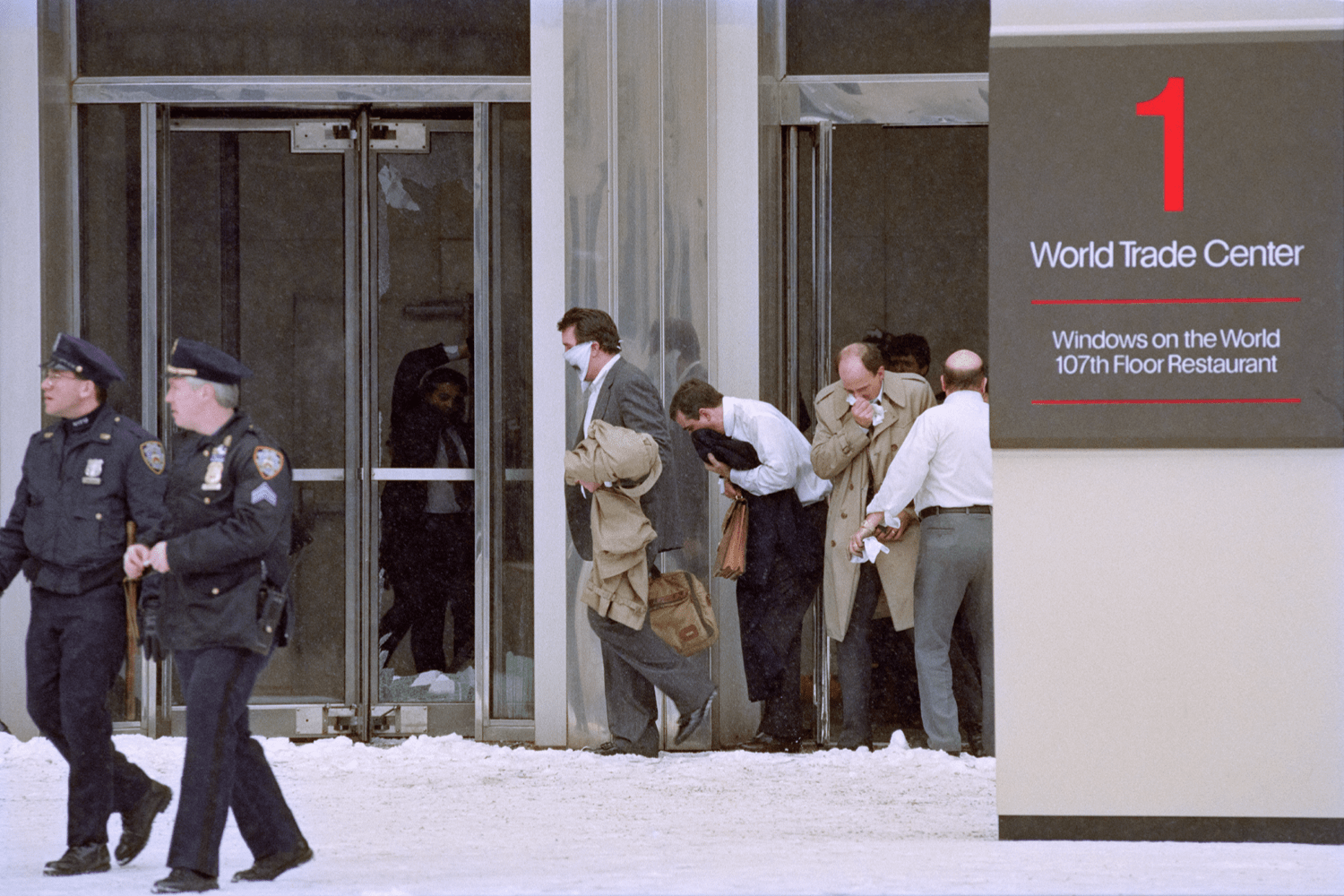
After the Soviet retreat, KSM returned to Pakistan, becoming involved in multiple plots. He was linked to the 1993 World Trade Center attack and a bomb plot in the Philippines alongside Ramzi Yousef, who was later captured in 1995.
“The Intelligence Community had information linking Khalid Shaykh Mohammed… to Bin Ladin, to terrorist plans to use aircraft as weapons, and to terrorist activity in the United States.”
When Yousef was captured, KSM’s real identity was compromised, leading to an indictment for terrorist conspiracy in the U.S. He narrowly escaped rendition in Qatar after being tipped off by officials. Despite being on a watch list, KSM avoided attention.
Acting as a mentor to Mohammed Atta and others, KSM guided preparations for 9/11 from afar. He supported the financial and logistical operations necessary for the plot.
Even in the months leading up to 9/11, there were lapses in intelligence. KSM obtained a U.S. visa in June 2001 using the same false identity but failed to trigger alarms in the intelligence community.
The partially declassified Joint Inquiry into Intelligence Community Activities criticizes the lack of recognition of KSM’s role and activities. It notes the failure to track intelligence on his actions effectively, which might have provided insights into al-Qaeda’s plans.
Over a year after 9/11, KSM’s involvement in the attacks came as a surprise to U.S. intelligence, highlighting significant gaps in their understanding and response to terrorist threats.