
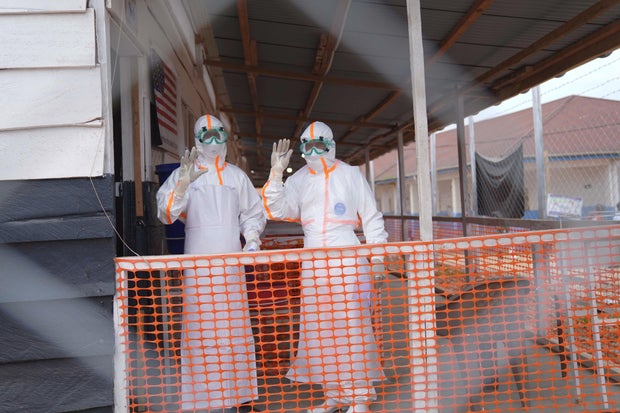
Bunia, Congo — Recent government data highlights the dire situation unfolding in Congo with its Ebola outbreak, which has become the fastest-spreading on record. Currently, at least 2,000 individuals have lost their lives among the 4,381 confirmed cases. This staggering number comes three months after the outbreak was officially recognized on May 15.
The scale of this crisis is alarming, with the outbreak recording an additional 1,000 deaths in just around three weeks, showing how overwhelmingly rapid the health crisis is becoming.
Health authorities continue to face significant obstacles in delivering prompt assistance to remote areas, largely hindered by rebel conflicts, poor infrastructure, and strikes due to unpaid wages.
With the outbreak now being the second-largest in history, it trails only the West Africa outbreak from 2014-2016, which recorded over 28,000 cases and 11,000 deaths. The World Health Organization (WHO) has escalated the response by declaring a public health emergency of international concern, especially as cases have spilled across borders into Uganda.
However, the response struggles to match the outbreak’s acceleration. Aid workers note the increased spread across five affected provinces. Many health workers are striking due to not receiving payment since the outbreak’s declaration, complicating containment efforts.
This Ebola outbreak diverges from previous ones due to the involvement of the Bundibugyo virus, which lacks approved vaccines or treatments. Trials for a vaccine are underway in Ituri, the epidemic’s center. The WHO disclosed the outbreak possibly started in February, before authorities spotted it in Congo’s remote areas.
The ongoing crisis is compounded by initial misdiagnoses attributing early cases to malaria and typhoid, and primarily testing for the common Ebola virus type.
At a news conference, WHO’s regional director for Africa, Dr. Mohamed Yakub Janabi, stated, “We are chasing the virus, the virus is ahead of us.”
Congo has been battling Ebola since 1976, when the virus was first identified near the Ebola River. This current outbreak marks the 17th instance and has become the largest the nation has faced.