
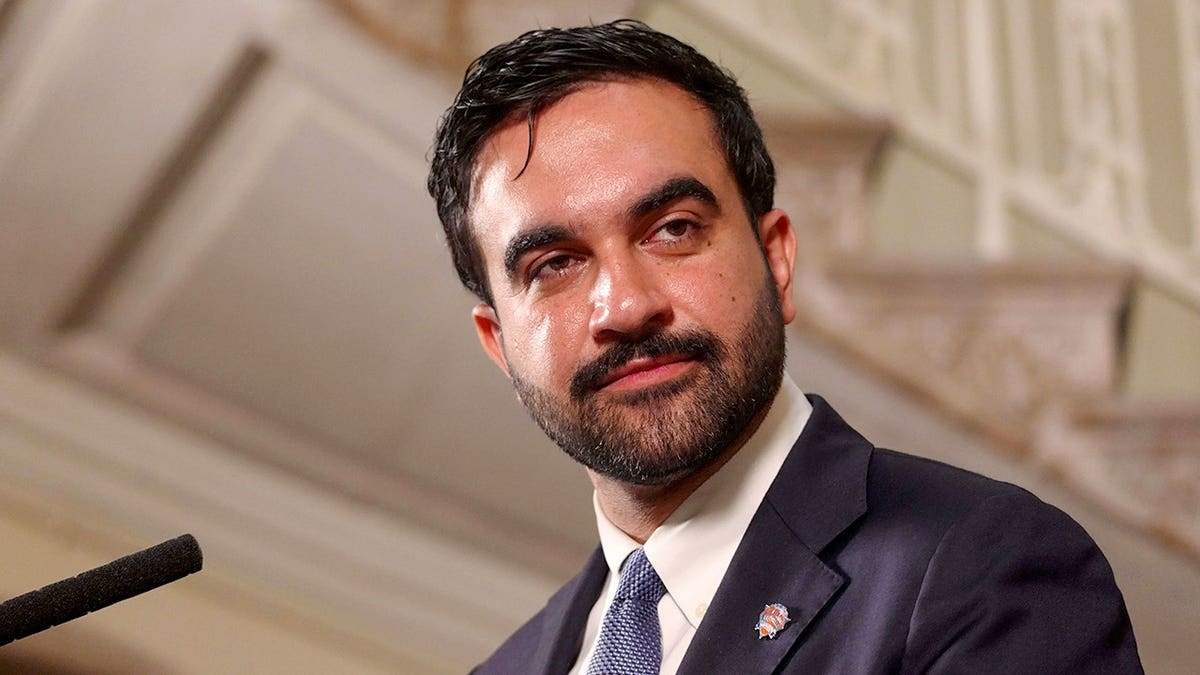
A New York judge has placed a temporary hold on Mayor Zohran Mamdani’s introduction of a controversial tax on luxury second homes. The decision requires City Hall to remove a list that disclosed the names, addresses, and values of over 900,000 homeowners across New York City.
Judge Wayne Ozzi’s order temporarily restrains the Mamdani administration from proceeding with the tax based on the disputed property roll and prevents further actions or deadlines being enforced against homeowners involved. The city is also barred from imposing or collecting the surcharge without first conducting individual assessments and providing the necessary notice under state tax law.
Attorney Randy Mastro criticized the rollout by accusing the administration of errantly targeting second homes valued above $5 million. He argued that the city should have verified non-primary residences before notifying homeowners about the surcharge.
The city released a property roll and sent notices that, according to Mastro, caused confusion and forced many New Yorkers to prove their homes serve as primary residences. He contended that the administration failed to confirm which properties qualified before including homeowners in the surcharge process.
Mastro stated, “The city is to bear the burden,” attributing the mistakes to inadequate investigation. He criticized the publication of property information as leading to confusion and a significant backlash, describing the situation as “ludicrous” and “not right.” Mastro characterized the disclosure as a form of doxxing.
Following the hearing, Mastro called the ruling a “very good day for all New York City homeowners.” He accused the city of inappropriately notifying thousands of homeowners who shouldn’t have received such letters and contested the public posting of homeowners’ details.
The lawsuit was initiated by three New York City homeowners who do not oppose the legality of the tax itself, only its execution. They argued that their homes were incorrectly flagged for the surcharge and complained about the failure to conduct necessary initial determinations before issuing notifications.
Even after one plaintiff, Simon Hedley, obtained an exemption by providing tax data, Mastro maintained the process should have been more efficiently handled by city officials. He questioned whether oversight was due to “negligence or laziness.”
The city’s defense argued that halting the process could harm taxpayers seeking exemptions and disrupt deadlines. Attorney Steven Banks emphasized that maintaining the supplemental roll would stabilize the current situation, allowing taxpayers to navigate the procedure without additional pressure.
During the hearing, tensions rose as attorneys debated the tax’s execution. Mastro and Banks clashed over terms used to describe the homeowner notices. Banks, in defense of Mayor Mamdani, argued, “It happens to be acting in accordance with law,” dismissing claims that the rollout constituted “terrorizing.”
Despite the court’s decision, Mamdani’s administration intends to contest the ruling. City spokesperson Matt Rauschenbach expressed disagreement with the judge’s decision, reinforcing the administration’s confidence in both the surcharge’s fairness and efficient implementation. Rauschenbach emphasized the surcharge’s role in funding city improvements.
Mamdani defended the tax’s rollout, despite acknowledging inherent challenges with new taxes. Of the city’s 8.5 million residents, only about 17,000 homeowners may be affected, with an extended deadline for exemptions provided. The court process is moving swiftly, with oral arguments scheduled for August 31.