
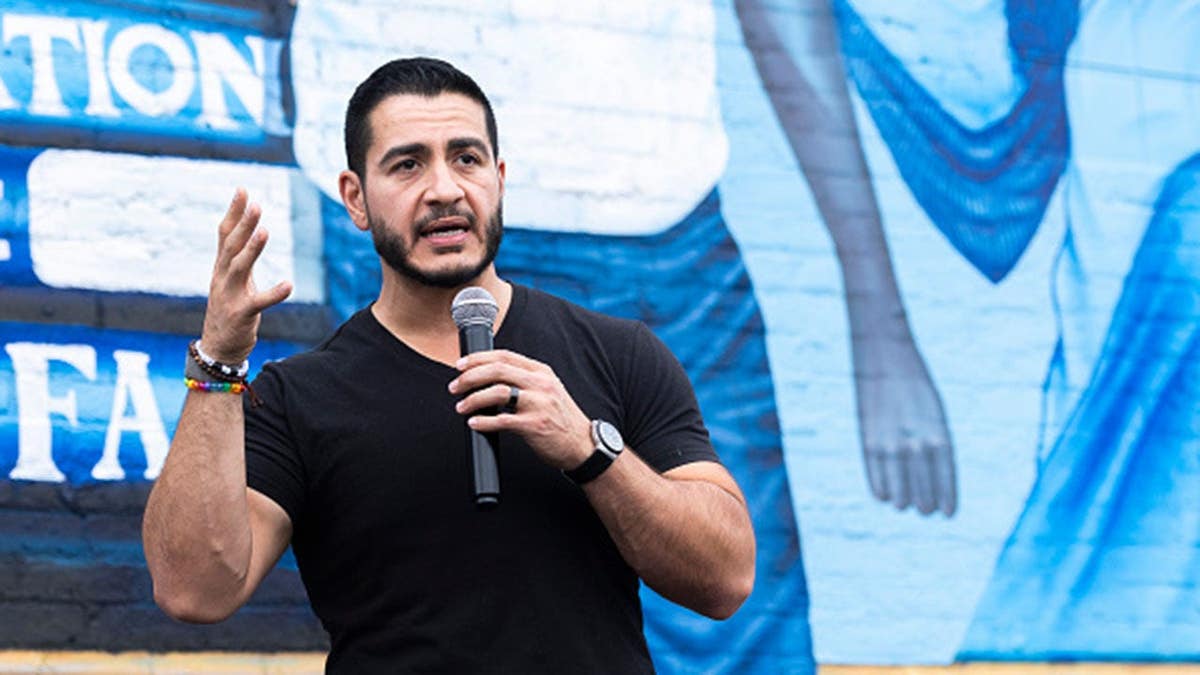
Controversy Surrounds Abdul El-Sayed’s Comments on Masculinity
Abdul El-Sayed, the Democratic Senate nominee for Michigan, has become the center of debate following criticisms he made against traditional masculinity and U.S. sports culture. These remarks were highlighted in a report by The Midwesterner, focusing on writings he posted on Substack in 2021.
El-Sayed’s critique emerged after former Las Vegas Raiders coach Jon Gruden resigned due to the exposure of controversial emails. In his writings, El-Sayed examined the deeper issues of toxic masculinity prevalent in American sports, particularly pointing out that such problems extend beyond individual incidents like emails or public figures.
El-Sayed’s Personal Experiences and Views
Drawing from his own background, El-Sayed referenced his time as a starting center in high school football at Andover High School. Despite expressing the sense of freedom he felt during the game, he recounted experiencing racist taunts in more private settings such as locker rooms and sidelines. He argued that these settings often exhibit racism, misogyny, and homophobia, considering them a common language.
He further criticized the NFL, accusing the league of ingrained racist practices.
A Different Vision of Masculinity
El-Sayed has been advocating for a shift away from traditional athletic toughness. He instead encourages a more emotional representation of masculinity, drawing inspiration from the fictional character Ted Lasso. According to El-Sayed, Lasso embodies openness and empathy, qualities like discussing problems, encouraging players, and showing kindness.
Sports and Politics
Moreover, his writings show a connection between sports preferences and political views. El-Sayed has expressed admiration for European soccer, viewing it as more egalitarian compared to American sports leagues.
Implications for the Campaign
Now competing against Republican Mike Rogers in the general election after his victory over Rep. Haley Stevens in the Democratic primary, El-Sayed’s stance on masculinity and sports culture has sparked discussions. His approach highlights a tension in appealing to voters who are passionate about sports like football.
The comments have revealed differences between his academic theories and his campaign message intended to resonate with young male voters by discussing his own history in sports.