
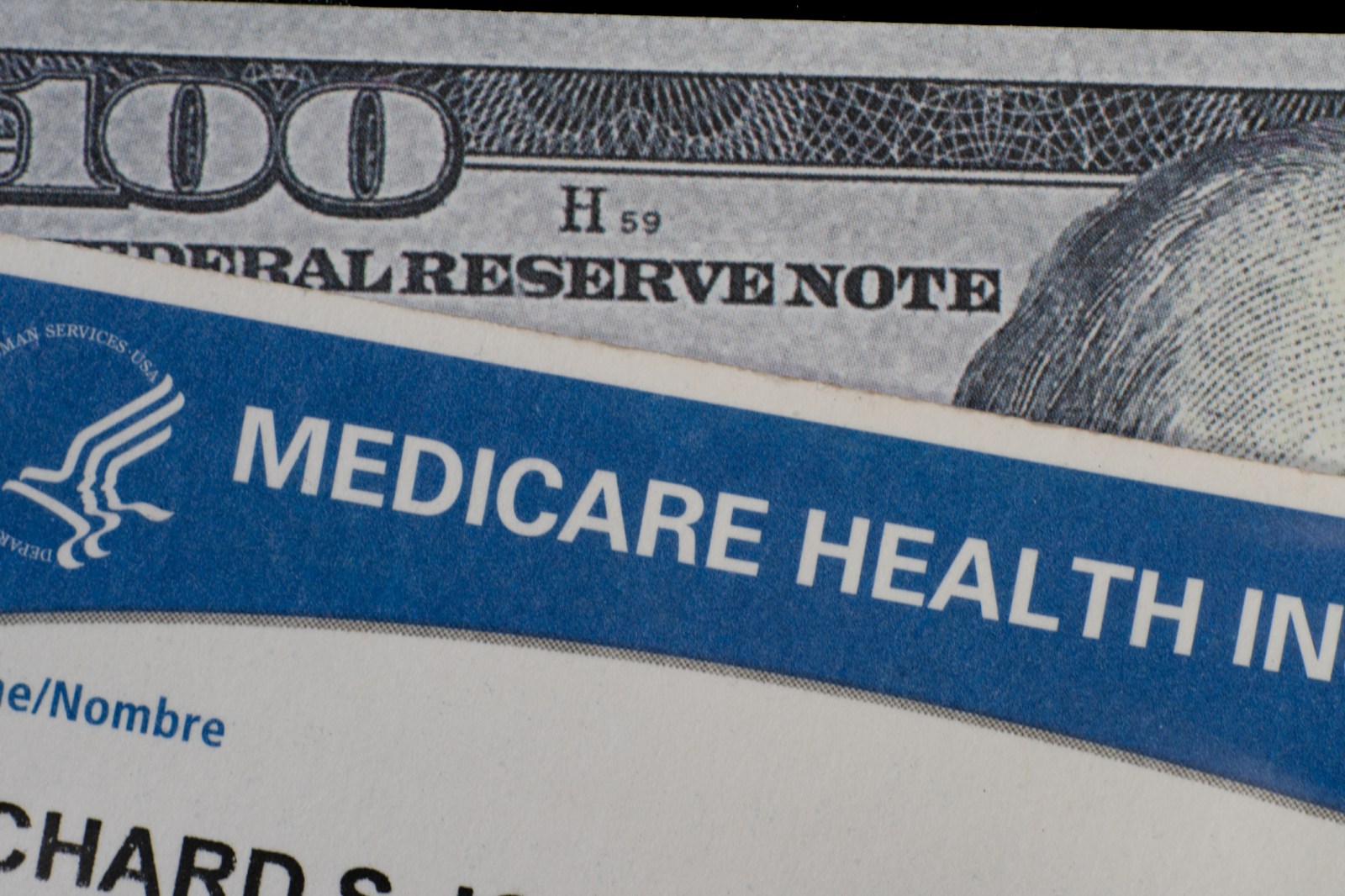
Millions of older Americans enrolled in Medicare Advantage plans have experienced reductions in popular extra benefits. Experts anticipate further cuts as insurers deal with climbing medical costs and stricter federal payments.
Changes in Supplemental Benefits
While core benefits like dental, vision, and hearing coverage are still widely available, many plans are reducing or eliminating supplemental perks. These perks, such as over-the-counter allowances, meal benefits, transportation assistance, and fitness programs, attracted seniors to Medicare Advantage.
“Insurers added OTC cards, grocery allowances, and Uber rides to win enrollment when CMS payments were generous,” said Michael Ryan, a finance expert. “Now that 2027 payment rates are only rising about 2.5 percent, insurers can’t touch the legally required core benefits. So the bait is the first thing that gets pulled.”
More than half of Medicare beneficiaries receive their coverage through Medicare Advantage plans. Reducing these allowances or services can increase out-of-pocket costs for retirees on fixed incomes.
Decline in Offerings
KFF’s 2025 report showed that OTC benefits are available in 66 percent of plans, down from 73 percent in 2025. Meal benefits, transportation assistance, and other perks are also becoming less common. These types of cuts are expected to escalate in the 2027 offerings.
“These perks were never guaranteed benefits. They were bait,” Ryan reiterated.
Plan Choices and Availability
Despite some cuts, most plans continue to offer core benefits like dental, vision, and hearing coverage. In 2026, virtually all Medicare Advantage plans provide these benefits. However, plan choices have slightly decreased, with the average beneficiary choosing from 32 prescription drug plans, down from 34 in 2025.
“We must remember that Medicare is a government program, while Medicare Advantage is provided by for-profit insurance companies,” explained Drew Powers. “These companies will offer additional benefits only as long as profits aren’t significantly affected.”
The availability of Medicare Advantage plans has fallen 9 percent year-over-year. About 13 percent of enrollees were affected by plan terminations heading into 2026, double the previous year’s share.
“Lower Medicare spending forces insurers to cover less,” stated Kevin Thompson. “The government views these supplemental coverages as non-essential, pushing them back onto the consumer could force costs down.”
What’s Behind the Cuts?
Insurers face increased healthcare costs and changes in federal payment rules. This situation compels companies to scale back supplemental benefits while maintaining low premiums.
“This isn’t surprising given financial pressures. Rising costs and federal payment changes force insurers to make choices,” said Alex Beene. “Seniors should expect benefits to evolve, not disappear completely.”
Looking Ahead
Beneficiaries might find some expected perks, particularly OTC allowances, becoming less generous or vanishing next year.
“The real problem is that these changes happen quietly in an Annual Notice of Change letter, which few read,” Ryan pointed out. “The plan looks the same but offers lesser value inside.”