
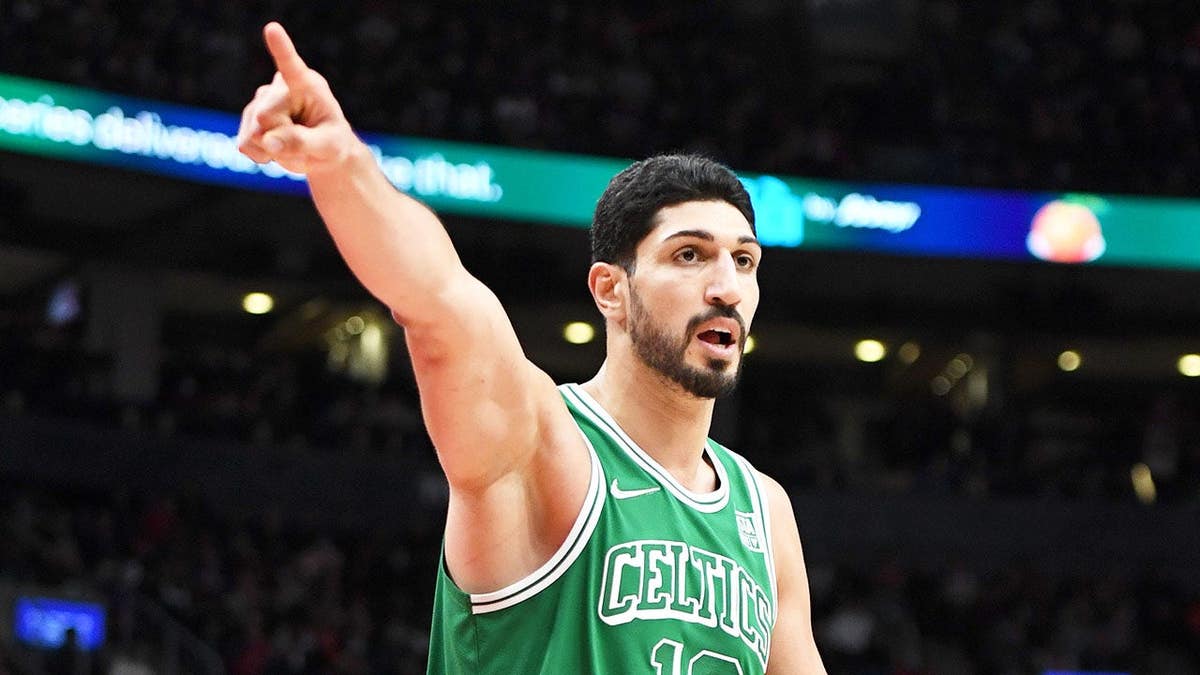
The WNBA currently faces significant challenges, with developments that might influence the league’s future direction. Former NBA player Enes Kanter Freedom took action, following through on his earlier promise by submitting a formal letter announcing his intent to declare for the 2027 WNBA Draft. He shared this letter publicly, emphasizing the adherence to guidelines by stating, “rules are rules.”
In his letter, Kanter expressed his commitment to the WNBA’s collective bargaining rules. He confirmed that he exceeds 22 years of age and has no remaining collegiate eligibility, key criteria outlined in the league’s agreement. He requested the WNBA to acknowledge receipt and direct future communication to his specified email.
This announcement arrives amid an ongoing debate concerning gender inclusion in sports. Another former NBA player, Royce White, also declared his intent to enter the WNBA Draft, aligning with Kanter. Both declarations seem to challenge the broader discussion on transgender participation in women’s sports, an issue recently highlighted by remarks from WNBA player Sophie Cunningham.
Cunningham articulated her stance on protecting young female athletes from competing against biological males, a comment she insists comes from a place of concern rather than discrimination. This sensitive subject was further spotlighted when Minnesota’s head coach, Cheryl Reeve, wore a “Trans kids belong” shirt during a game, making her position on inclusion clear.
The WNBA issued a statement in response to these debates, affirming a commitment to justice, equity, diversity, and inclusion. The league emphasized its role in nurturing diverse perspectives without yielding to political exploitation or inciting division.
Simultaneously, a separate incident took place during a match involving Chicago Sky’s DiJonai Carrington and Indiana Fever’s Sophie Cunningham. A fierce foul by Carrington, which resulted in her ejection, added to the league’s complex decisions regarding penalties and player conduct.
The WNBA must navigate these complex issues diligently, addressing Kanter’s unconventional draft entry and managing the ongoing discussions about gender identity and sports ethics. It’s an evolving scenario closely watched by players, supporters, and stakeholders alike.