
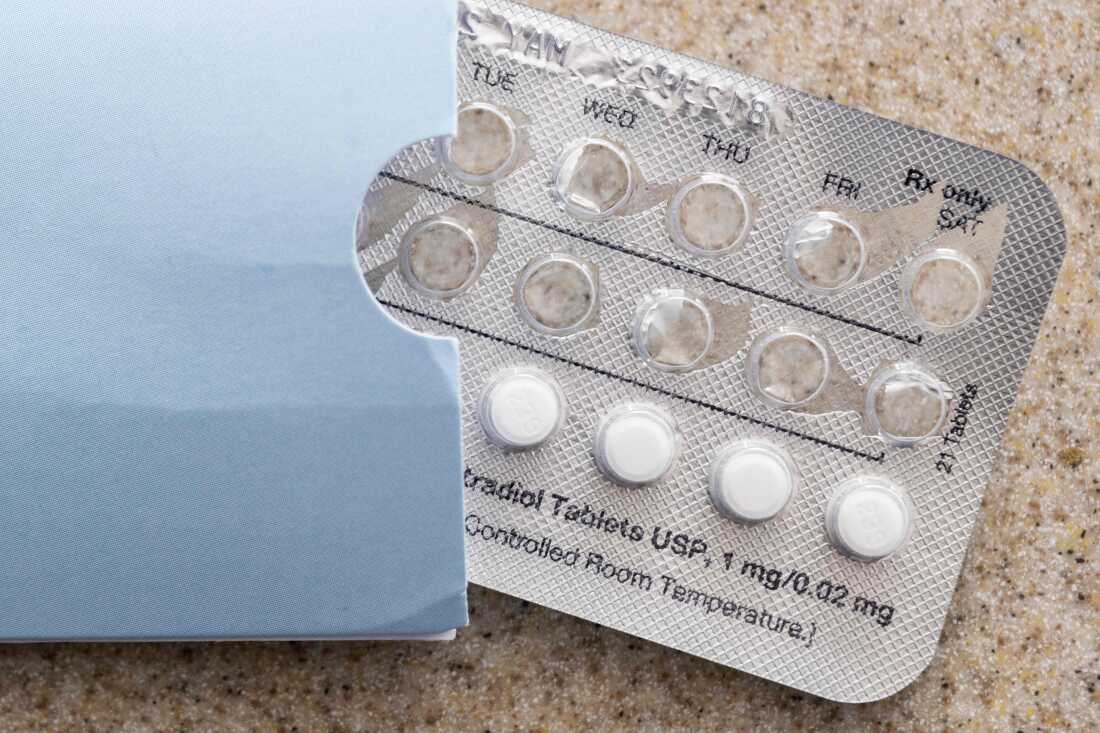
Influencers on social media platforms, particularly within the Make America Healthy Again (MAHA) and ‘trad wife’ communities, are spotlighting the downsides of hormonal birth control. However, research reveals that many lack medical credentials.
Following the Supreme Court’s decision to overturn Roe v. Wade in 2022, many state abortion bans began influencing how individuals approached birth control. There was a marked increase in the use of long-term contraceptives, such as intrauterine devices (IUDs) and implants, and surgical options like vasectomies and tubal ligations.
Dr. Caitlin Bernard, an OB-GYN from Indianapolis, shares that her patients no longer frequently discuss the state’s longstanding abortion ban. ‘This is just the normal status quo now,’ she states. Instead, patients are more concerned about their contraceptive choices, insurance coverage, and general healthcare costs.
Bernard observes that social media, through MAHA and ‘trad wife’ influencers, increasingly sways her patients’ decisions against hormonal birth control. These influencers often share exaggerated accounts of side effects, underscoring non-hormonal alternatives. Many lack medical expertise.
“There is definitely a social media phenomenon of wellness influencers with non-evidence-based personal experiences,” says Cynthia Harper, a contraception researcher at the University of California San Francisco.
Harper connects this trend with the pronatalist movement, which promotes women staying home to have more children. This confluence has led to increased criticism of contraception options.
Additionally, political actions have impacted access to birth control. The Trump administration significantly reduced funding for reproductive health services. Harper believes these cuts are decreasing contraceptive availability.
Despite these factors, the number of abortions has increased recently, even amidst tighter state restrictions. Harper speculates that decreased access to contraceptives might contribute to more unintended pregnancies, leading to greater abortion numbers.
Brittni Frederiksen, a women’s health policy researcher at KFF, attributes rising abortion numbers to the wider availability of telehealth medication abortions. These options have become more accessible since their introduction during the COVID-19 pandemic.
KFF’s biennial women’s health survey reports that in 2024, 82% of sexually active women used contraception, with 6% abstaining. The remaining were either pregnant, attempting conception, or infertile. Preliminary data from the 2026 survey suggests little change in these figures.
Frederiksen notes shifts in cultural attitudes toward birth control and ongoing funding cuts affecting access. However, these changes may not yet be evident in current data.