
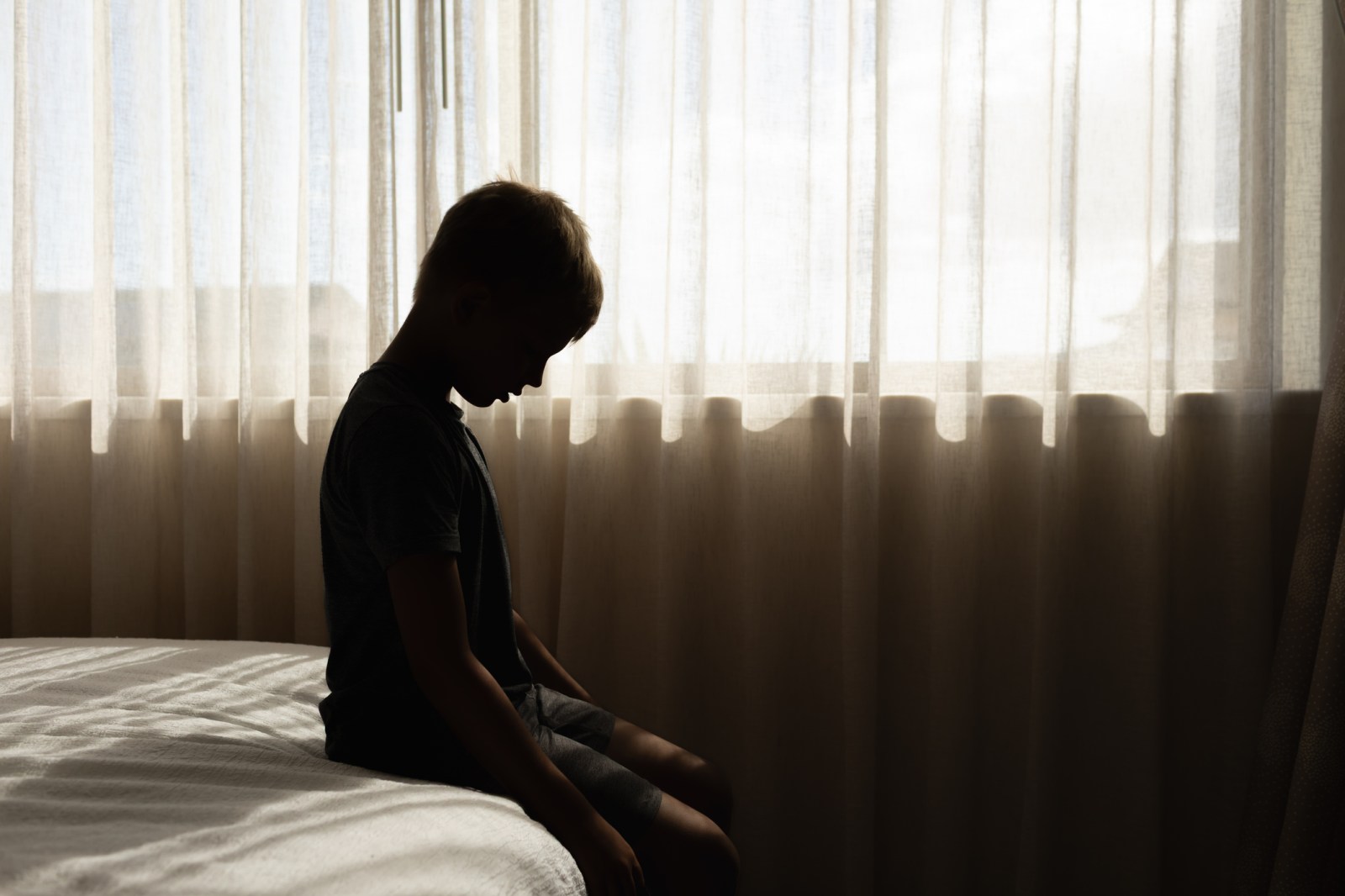
Many parents believe they would easily detect if their child was experiencing depression, often viewing sadness as the primary indicator. However, depression in children and teens can manifest very differently compared to adults. Dr. Carolyn Spiro, a clinical psychologist with a focus on child and adolescent mental health, shared insights on this topic.
In 2021, nearly 21 percent of children aged 3 to 17 had been diagnosed with a mental, emotional, or behavioral health condition, according to the Centers for Disease Control and Prevention (CDC).
Irritability as a Key Warning Sign
According to Dr. Spiro, the main sign of depression in young people isn’t always sadness. A significant clue is a noticeable change in mood or behavior. For instance, a typically easy-going child may become unexpectedly cranky, oppositional, more tearful, or react disproportionately to everyday situations.
With experience as a clinical assistant professor at the NYU Child Study Center, Dr. Spiro now runs a private practice in New York. She highlighted several indicators that may suggest a child or teen is experiencing depression.
Signs Parents Should Look Out For
- Withdrawal from friends or self-isolation.
- Loss of interest in previously enjoyed activities, like biking or drawing.
- Slow movements or speech.
- Noticeable fatigue or lack of energy.
- Poor sleep patterns or excessive sleeping.
- Significant changes in eating habits.
- Difficulty concentrating.
- Reduced motivation at school.
- Declining grades or academic performance.
- Turning to substances like alcohol or drugs as a coping mechanism, particularly in older children and teens.
When Parents Should Seek Help
Dr. Spiro emphasized that children and teens may experience bad moods occasionally. The key point of concern is when these symptoms persist. A depression diagnosis typically requires symptoms to be present for at least two weeks. However, parents shouldn’t wait to seek professional help if they have concerns. Intervention is crucial if symptoms cause significant distress to the child or family, disrupt school or friendships, affect daily life, or if the child speaks about hopelessness or having thoughts of self-harm.
Dr. Spiro stressed that early intervention can significantly impact a child’s treatment outcome.