
Artificial intelligence plays a crucial role in many major discussions, influencing areas like jobs, healthcare, national security, and consumer protection. Yet a critical issue is often overlooked: will AI models adhere to truth, or will they conceal biases in their outputs?
AI tools often claim to be neutral, providing information with citations, explanations, and impartial feedback. However, reality suggests otherwise. Obvious deviations from neutrality, such as inaccurate historical depictions, are easily noticed and dismissed. More subtle biases are harder to detect, as many users do not verify AI-generated responses.
Investigations are uncovering these undisclosed biases. The Washington Post tested prominent models on political questions and noticed a tendency to favor left-leaning perspectives while claiming neutrality. Similarly, research by MIT’s Center for Constructive Communication found left-leaning biases in reward models, even when trained on truthful data, especially on topics like climate and labor unions.
At the state level, lawmakers are taking advantage of the lack of federal regulation. In states like New York and California, legislators aim to pass bills similar to Colorado’s Artificial Intelligence Act, which would require impact assessments and mandate anti-discrimination measures. These laws might pressure companies to adjust or omit information from AI outputs to avoid liability. The FTC interprets Colorado’s law as coercing companies to change AI outputs to align with the state’s goals, penalizing accurate responses.
This issue is significant given the rapid adoption of AI technology. Millions use AI for information, work, and understanding politics. Many voters now rely on AI chatbots to decide on candidates, as reported by the New York Times, viewing them as impartial alternatives to traditional media.
However, undisclosed biases in AI systems can mislead by presenting biased views as neutral, potentially influencing voter opinions on candidates or policies. At a larger scale, these biases can significantly affect personal, professional, and civic life.
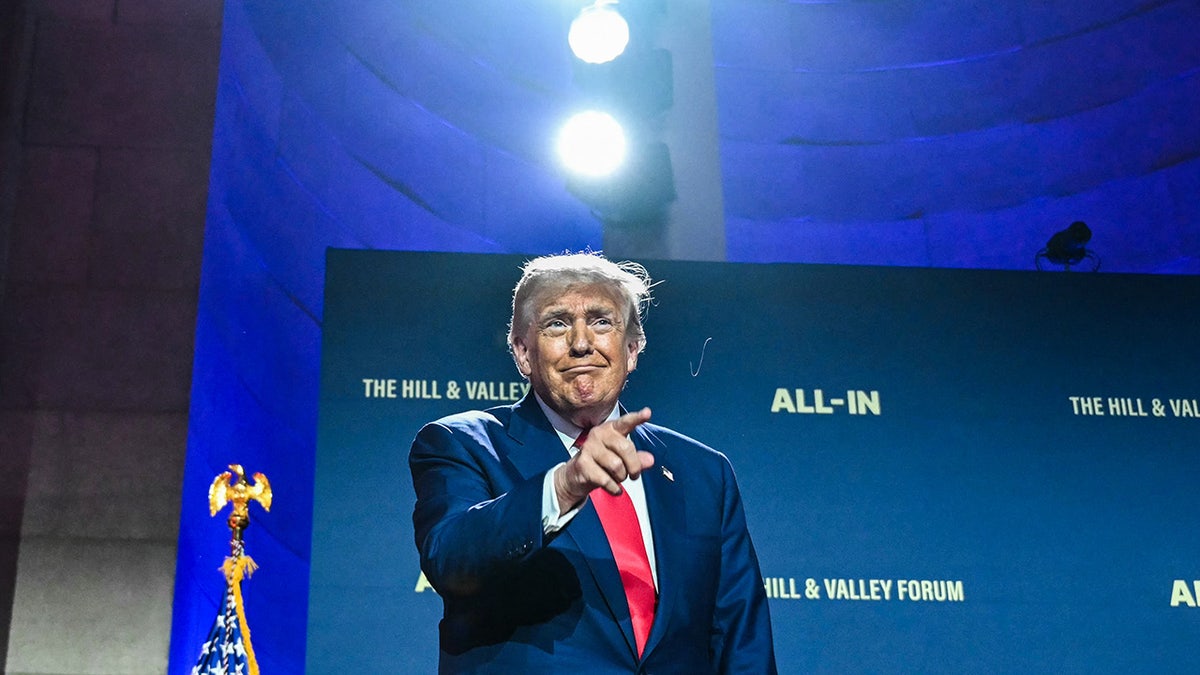
President Donald Trump has confronted these concerns. His administration emphasized that American AI should be trustworthy and seek objective truth, rather than serve social agendas. Executive orders barred federal procurement of biased AI models, ensuring model accuracy under a federal framework.
The Federal Trade Commission (FTC) plays a role in addressing AI bias. Under the AI framework, FTC Chairman Andrew Ferguson proposed applying consumer protection laws to undisclosed model bias. According to the FTC Act, a deceptive representation or omission likely misleads reasonable consumers and is crucial to their decisions. An AI model claiming neutrality but conveying biased narratives meets this criterion.
Ferguson’s proposal also reinforces federal authority, proposing a uniform national standard for AI models, similar to regulations for products like cars and pharmaceuticals. States with aggressive legislatures often set the national standard due to the complexity of multi-state compliance.
This proposal advocates for transparency about model biases. If a model guides users in unexpected ways, these changes must be clearly disclosed, or they risk breaking federal consumer protection laws.
The American public deserves transparency to avoid deception. The FTC’s policy statement is a vital step toward the goals outlined in the AI Action Plan, reinforcing U.S. leadership in the AI era.
Nicholas Elliot is the director of Government Affairs for Innovation Council Action. His previous roles include positions at the White House, the Commodity Futures Trading Commission, and the U.S. Senate.