
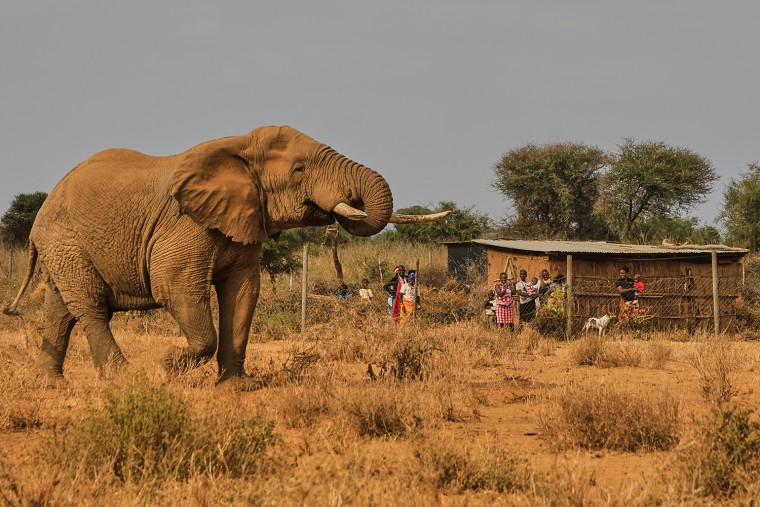
The carcasses of elephants lie in Amboseli National Park, Kenya, raising alarms over potential cyanide poisoning. Fifteen elephants died after presumably consuming tomatoes from nearby farms.
Investigations Underway
Authorities are investigating how cyanide entered the ecosystem in Amboseli, where wildlife and agriculture coexist. Farmers contest claims that their tomatoes contained cyanide, leading to these tragic deaths. This incident has intensified concerns about human-wildlife conflict as agricultural activity expands near the park.
Human-Wildlife Interactions
Elvis Muchai, a farmer near Amboseli for over 20 years, expressed skepticism. He noted that local communities have lived with elephants for a long time despite repeated crop losses when elephants cross into farms, particularly during dry seasons.
Last month, the Kenya Wildlife Service reported the deaths of 15 elephants in one month. Tests showed signs of cyanide alongside tomatoes in the animals’ stomachs. Dr. Isaac Lekolool from the wildlife agency reported symptoms in elephants like paralysis and breathing difficulties, leading to suspicion of cyanide. Further tests are ongoing to ascertain cyanide levels.
Sources of Cyanide
Kimana, near Amboseli, is a key agricultural area providing tomatoes, onions, and beans to Nairobi markets. Dr. Lekolool emphasized safe pesticide use and refuted claims of illegal mining introducing cyanide to the park. While farming expansions continue, conflict between humans and elephants stands as a significant cause of elephant deaths, second to poaching, as reported by Kenya’s National Elephant Plan.
Addressing the Crisis
Duncan Juma from Kenya’s wildlife service discounted human-wildlife conflict in this incident, highlighting the community’s affection for elephants. Meanwhile, the International Fund for Animal Welfare (IFAW) stressed investigating the cyanide poisoning incident promptly and addressing human-wildlife tensions.
Ben Wandago, IFAW’s Director for East Africa, emphasized the need for strict regulation on toxic substances to protect wildlife and communities inhabiting areas near the park.
Farmers’ Perspectives
Local farmers remain skeptical about the cyanide’s source. Muchai claimed no knowledge of cyanide in local pesticides, noting that products in the area are regulated by the government. He indicated significant crop damage caused by elephants without any compensation.
Another farmer, Rymondy Mrosso, questioned why other wildlife or livestock were unaffected if the pesticides were to blame.