
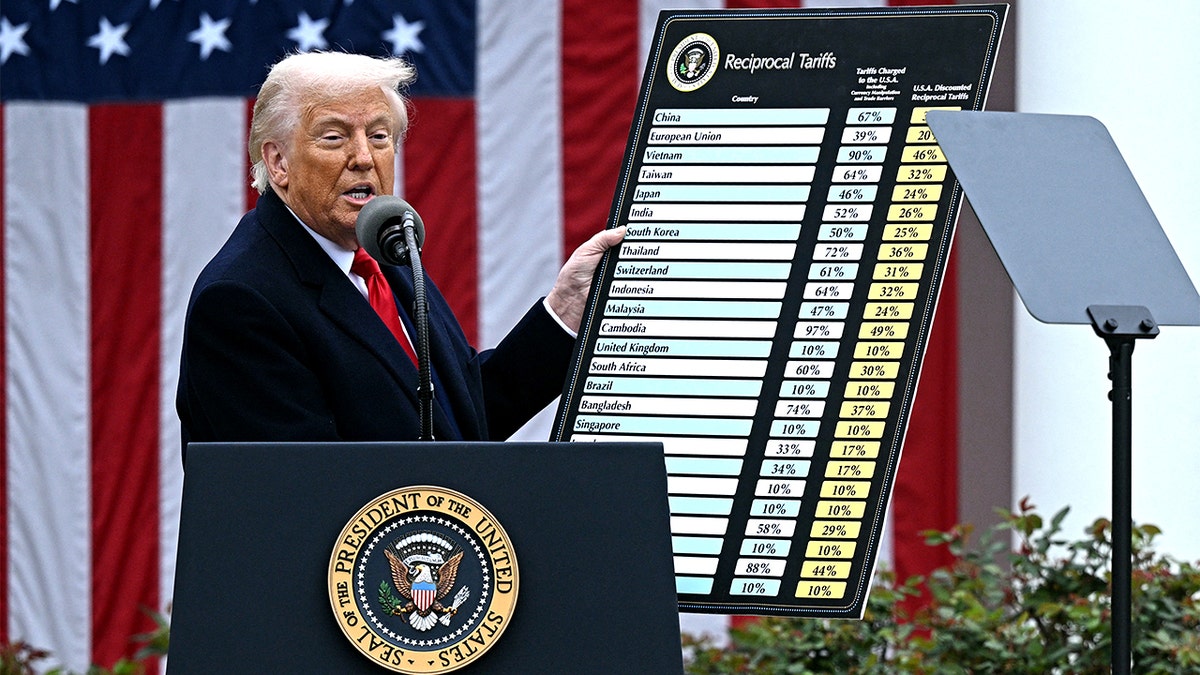
Senator Rick Scott, a Republican from Florida, is spearheading an initiative to grant President Donald Trump sharper, more targeted tariff powers. The proposal comes after the Supreme Court nullified Trump’s broad tariff actions, prompting a call for more focused strategies against countries with trade deficits.
Scott’s bill, the Trade Deficit Elimination Act, aims to establish a framework for authorizing tariffs against nations with detrimental trade deficits. It targets these deficits that threaten the United States’ national security, foreign policy, and economic interests. The framework would include an annual list of countries with significant trade deficits, compiled by U.S. Trade Representative Jamieson Greer.
The proposed legislation allows for the imposition, adjustment, or suspension of tariffs on imports from these listed countries to eliminate trade imbalances. While consultation with Congress, specifically the House Ways and Means and Senate Finance committees, would be sought, obtaining congressional approval for applying tariffs would not be mandatory.
Specific exclusions would be made for products critical to U.S. supply chains or national security where alternative sources are unavailable. This proposal comes on the heels of the Trump administration’s significant $100 billion tariff refund, which followed the Supreme Court’s decision limiting Trump’s authority under the International Emergency Economic Powers Act (IEEPA).
The bill has gained support from Senators Kevin Cramer of North Dakota and Tim Sheehy of Montana. It represents a new approach with a congressional backing, distinct from the IEEPA, focusing directly on foreign commerce under Article 1, Section 3.
“Trade should be fair, not one-sided,” Cramer stated. “This bill provides President Trump and Ambassador Greer the tools to address trade deficits, maintain critical supply chains, and secure better trade deals for American industries.”