
Health officials in Florida are observing an increase in leprosy cases. As of July 23, the state’s Department of Health reported 17 cases across Florida, with 81% in Central Florida. Counties with the highest occurrences are Volusia, Brevard, Lake, Orange, and Seminole. In 2022, the state had 36 reported cases, a record since 1992. Most were contracted within Florida, though some were contracted out of state or abroad.
Understanding Leprosy
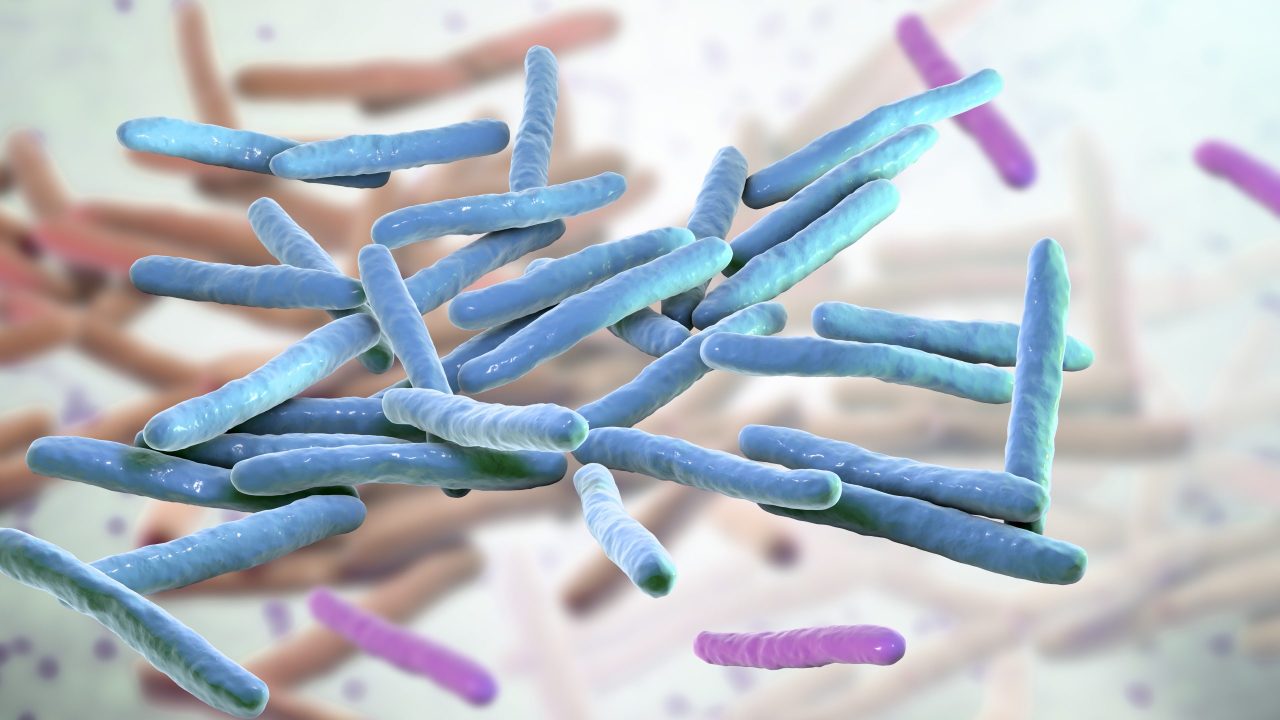
Leprosy, or Hansen’s disease, is a chronic infectious disease. It is caused by Mycobacterium leprae, a slow-growing bacterium. Symptoms can take up to 20 years to appear after exposure. Key symptoms include skin lesions, lumps, and ulcers, loss of eyebrows and eyelashes, and a loss of touch and pain sensations due to affected peripheral nerves linking the brain and spinal cord.
The Centers for Disease Control and Prevention (CDC) states that leprosy is not highly contagious. Prolonged, close contact is required for transmission, and around 95% of people naturally resist the disease.
In the U.S., about 225 people are diagnosed with leprosy annually. Globally, there are approximately 250,000 cases yearly. Americans often contract the disease while traveling abroad.
How Are Floridians Contracting Leprosy?
Health officials link the rise in Florida cases to nine-banded armadillos. These animals harbor Mycobacterium leprae. They inhabit central and northern Florida and can damage lawns and landscapes. People risk exposure by touching armadillos or contaminated soil near burrows.
Treatment and Prevention
Leprosy is treatable with early diagnosis. Multi-drug therapy using antibiotics can cure it. Once treatment starts, patients are no longer considered infectious. Treatment duration depends on the type, ranging from one to two years.
To reduce exposure risk, the CDC advises the following measures:
- Avoid handling armadillos.
- Refrain from hunting or eating armadillos.
- Use repellents or traps to keep them away from yards.
- Wear gloves and long sleeves when working in armadillo-digging areas.
- Wash hands thoroughly with soap and water after outdoor activities. In the absence of soap, use an alcohol-based hand sanitizer.