
Introduction
The administration of President Donald Trump has taken steps to detain many parents and spouses of active-duty U.S. military personnel, linked to changes in immigration protections for these families. An investigation by the Associated Press (AP) highlights how this forms part of a larger strategy on deportation.
Detentions and Deportations
Over 50 cases of detained parents and spouses of service members have been identified since Trump began his second term. Six have been deported, and at least one has left the U.S. voluntarily. The detentions disrupt long-standing bipartisan policies that generally shield military families from deportation.
Impact on Military Preparedness
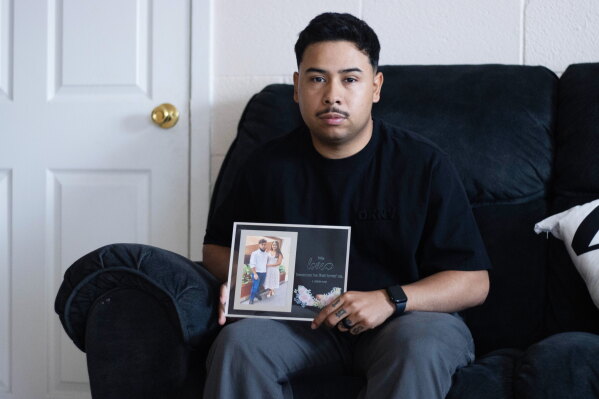
Detaining family members can undermine military operations. When family members face legal procedures, service members may lack emotional support or caretakers, delaying deployments or forcing unexpected leave. Sgt. Hedar Leonel Turcios Juarez, stationed in Fort Bliss, Texas, expressed concerns about his wife who was detained in public, leaving him worried about balancing military duties and family concerns.
Public and Official Reactions
Some detentions have led to public backlash and interventions from authorities such as Homeland Security Secretary Markwayne Mullin. However, the Department of Homeland Security (DHS) does not track these specific cases, leaving many service families in uncertainty.
Case Highlight: Air Force Tech. Sgt. Wendy Gbeve
Wendy Gbeve experienced distress when her father, Luis Alberto Ramirez Zavala, was detained during a routine interview. His unexpected deportation left his family considering relocating to keep the family intact, affecting their ability to care for Gbeve’s children if both parents are deployed.
Smaller Safety Nets for Service Members
Many troops have had to adjust their routines and take administrative leave to handle such situations. For example, Army Staff Sgt. Alexis Jaramillo had to care for his stepson alone when ICE detained his wife, affecting his normal duties of training soldiers.
Policy Shift
The April 2025 policy change states that military service alone does not protect against deportation for violations. This contrasts with past practices under different administrations, including Trump’s first term, where family detentions were rare. Experts and former officials criticize the current approach as detrimental and extreme.
Congressional Response
Some lawmakers, including Republicans, have voiced opposition to detaining relatives of service members. There have been calls to revisit deportation orders due to procedural oversights.
Military Parole-In-Place
The military has long offered a program known as “parole-in-place” which allows certain family members to adjust their status within the U.S. Despite these advantages being promotions in recruitment, recent cases indicate these benefits are not always leading to legal stabilization for families.
Recruitment and Family Support Challenges
While recruitment campaigns continue to highlight immigration aid as a benefit of serving, the reality has often fallen short as family members are detained during their application processes.
Personal Accounts and Further Challenges
Marine Cpl. Jose Manuel Vilchis-Valle faced the rapid deportation of his mother during her status application, despite recruiter assurances that his service would aid his family. U.S. Army Specialist Romero Ralios also expressed regret over enforcement duties as his father faces detention.