
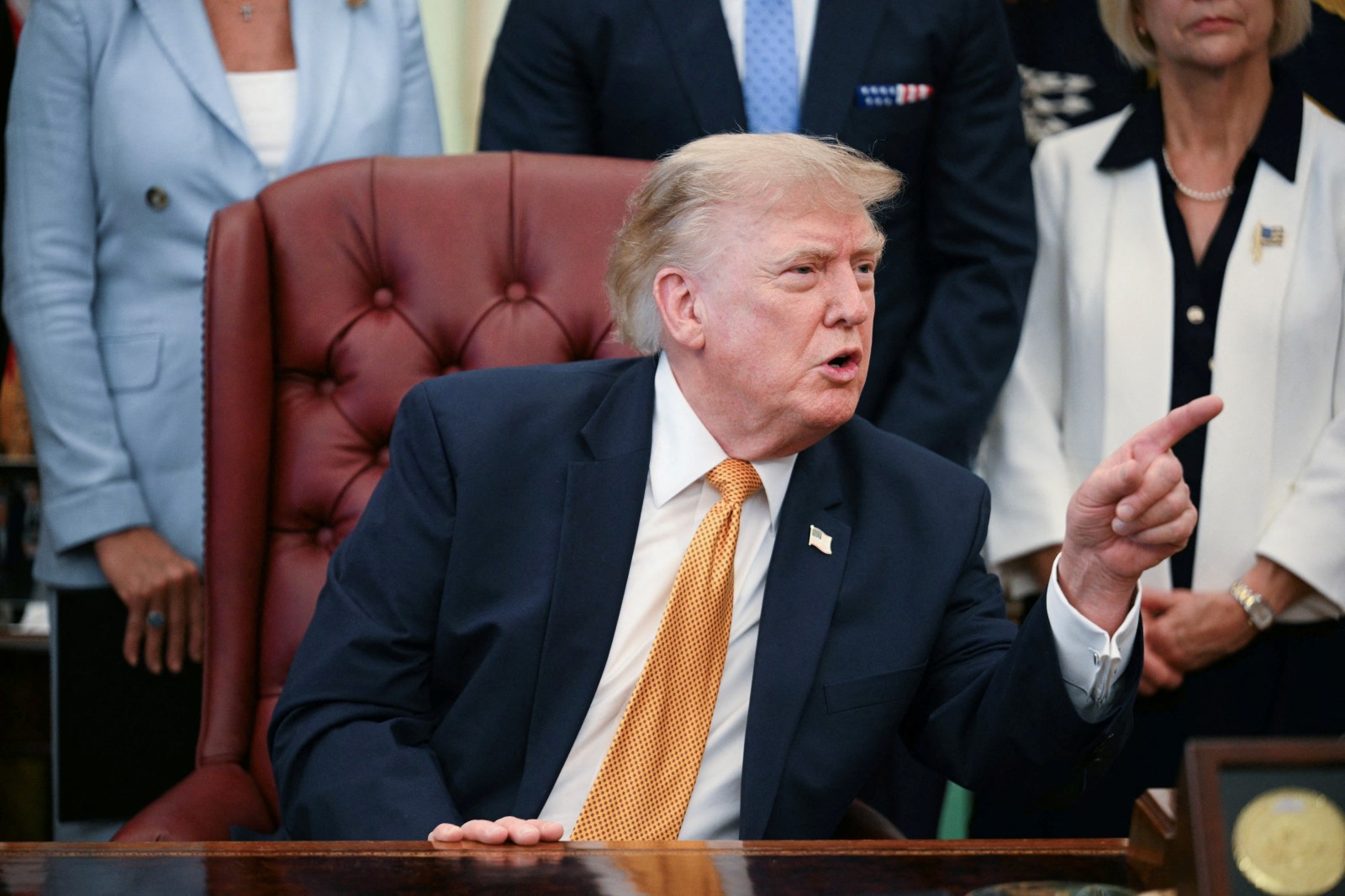
President Donald Trump is urging oil companies to reduce gasoline prices following their reported profits during the Iran war. He believes energy companies have thrived while American consumers face challenges. Industry specialists, however, see the situation differently.
In two Truth Social posts on Monday, Trump reacted to Mike Wirth, CEO of Chevron’s statements during an interview with Maria Bartiromo on Fox News’ Sunday Morning Futures. Trump accused Wirth of not acknowledging the role of his administration in the industry’s success. He wrote that without the foresight and strength of his administration, the oil industry and the nation would struggle.
Trump demanded oil companies lower consumer prices, stating: “Get your consumer (retail!) Oil Prices DOWN, NOW!” Speaking to reporters, Trump criticized ExxonMobil and Chevron for their profits amid the conflict. He expressed displeasure with their earnings, saying they should return some profits to the public and reduce retail prices.
The comments happened close to the November midterm elections, where Republicans work to defend majorities amid voter concerns around affordability and inflation.
Trump’s Target on Oil Companies
Trump believes the oil industry benefits from policies his administration enacted. He cited Chevron’s operations in Venezuela as an example, where the company profits from new opportunities. Trump has consistently supported domestic energy production and opposed regulations he claims harm the industry. Rising fuel prices are fostering new tensions.
U.S. energy companies have gained from higher crude prices and strong refining margins since the Iran conflict affected global markets. Last week, Chevron reported its highest quarterly earnings in six years, while Valero Energy disclosed its strongest quarterly profit since the 2022 Russia-Ukraine energy crisis.
Gas Prices’ Impact on Voters
Gasoline prices are a significant economic indicator during the election cycle. A Newsweek article noted that the national average gas price is over $4 per gallon, with states like California exceeding $5. The Iran conflict and global supply issues have contributed to the price rise.
Despite consumer beliefs, oil companies have limited control over pump prices. Patrick De Haan of GasBuddy indicated the major factor is crude oil, priced on a global market beyond U.S. control.
Refiners sometimes impact prices when supplies tighten, but many operate near capacity. Gas stations often have thin fuel margins. The complexity of pricing means Trump’s call for price slashes might be challenging, given global factors outside U.S. control.
Although crude prices have eased from recent highs, consumers might not see immediate relief. De Haan explained that price adjustments happen faster than skeptics claim, usually taking a few days.
Oil Industry Profits vs. Consumer Costs
Critics argue that rising oil industry profits suggest companies are causing higher fuel costs. De Haan challenged this, saying the relationship is complex and not solely based on company actions.
Bob McNally of Rapidan Energy Group commented on the cyclical nature of oil profits, which depend on high crude and refined product prices triggered by global events, not company actions.
The American Petroleum Institute clarified that current prices stem from global supply demands and uncertainties, not any single company.
Consumer Affordability Concerns
A July survey revealed concerns about cost of living and disapproval of Trump’s economic handling. Many respondents stated groceries are unaffordable, and only a few felt financially better off since Trump’s term began.
Affordability issues persist, highlighted by polls indicating gas and grocery prices rank among top concerns. A survey showed limited confidence in economic improvement.
Strategists warn sustained frustration over gas prices might negatively impact the party in power, especially in Senate battleground states.
The economy is a crucial focus in the upcoming election, with voters favoring candidates addressing economic issues.