
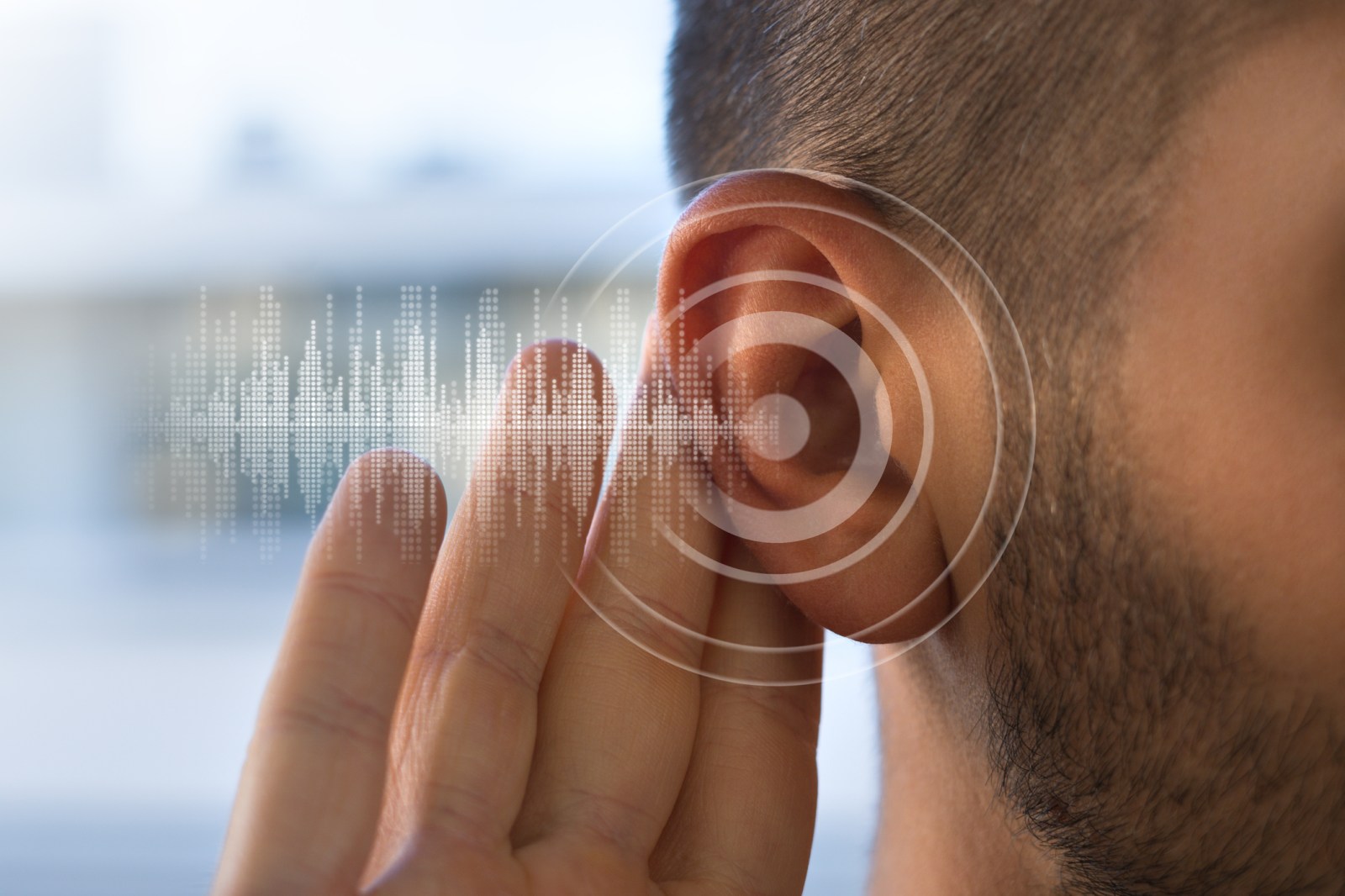
Whether commuting, exercising, or getting ready for the day, certain habits might damage your hearing. Our hearing, developed before birth, is often taken for granted. It allows us to enjoy sounds, like music or a child’s first word, but it’s highly sensitive.
According to the American Academy of Audiology, approximately 40 million American adults experience hearing loss due to noise exposure. This issue affects individuals of all ages. Many people are unaware that hearing damage accumulates over time, explains Rachel Artsma, a senior audiologist at Hear.com, in an interview with Newsweek.
Types of Hearing Loss
There are three primary types of hearing loss:
- Conductive: Involves the outer or middle ear.
- Sensorineural: Affects the inner ear.
- Mixed: A combination of conductive and sensorineural.
Warning signs include muffled sounds, ringing in the ears, a need to increase volume, and sensitivity to background noise.
Everyday Habits That Damage Hearing
Using Earbuds at High Volume
Earbuds and headphones are common, but Artsma points out that they often contribute to hearing concerns. Listening at high volume is the issue. If you cannot hear those around you, the volume might be too loud. Artsma advises the 60/60 rule: maintain volume at no more than 60% of its maximum and limit listening to 60 minutes at a time. The biggest risk is increasing volume to overpower background noise. Once damaged, hair cells in the inner ear do not regenerate, making prevention crucial.
Driving With Windows Down
Driving with windows down—especially on highways where wind noise can be loud—can contribute to hearing damage. As Artsma explains, continuous exposure over time may lead to hearing issues. Long commutes increase the potential for damage, particularly for those with various noise exposures throughout their day.
Hearing health depends on the total noise load you experience, not just a single event or environment.
Using a Hairdryer Every Day
Daily hair drying adds to overall noise exposure. Artsma notes that household appliances, despite familiarity, are not risk-free. For hairstylists and salon professionals, extended use increases risk. Not all hearing risks come from obvious loud events, she stresses.
Fortunately, some hearing loss can be reversed with treatment and lifestyle changes. Taking listening breaks, reducing volume, and appreciating everyday sounds are beneficial practices. Pay attention to warning signs like ringing in the ears after loud events. These signs might indicate stress on the auditory system due to excessive noise exposure.
Persistent signs—such as needing others to repeat themselves—should not be dismissed as aging or fatigue. Address potential hearing issues proactively.
For further inquiries, contact Newsweek’s editors Charlotte Nisbet and Shakeema Edwards. If health concerns worry you, reach out to [email protected] for expert advice. Your story might feature in Newsweek.