
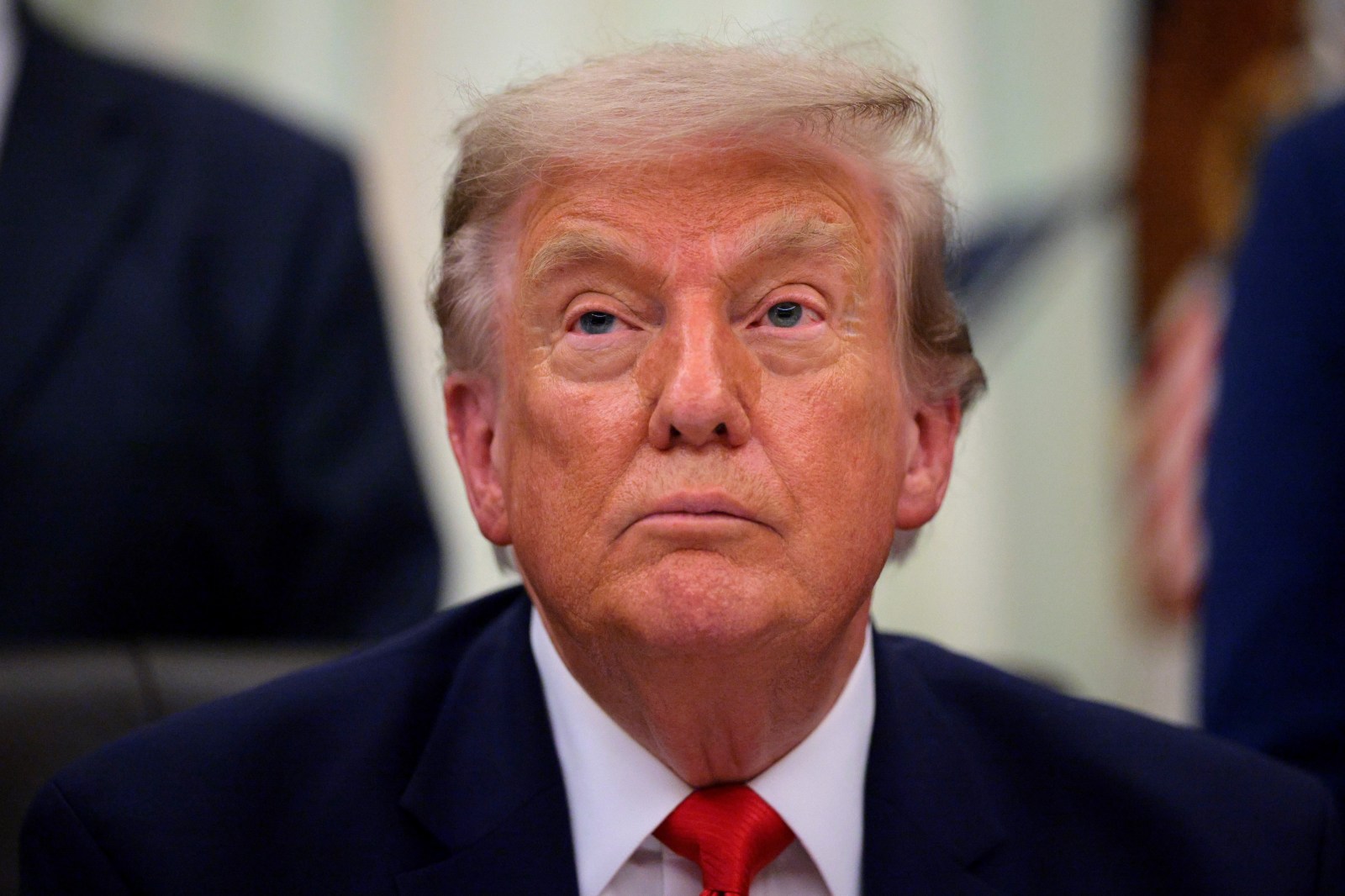
President Donald Trump’s approval rating has diminished in at least 11 states he decisively won in the 2024 election. This signals growing dissatisfaction with his performance even in areas where his support was traditionally strong. Nationally, Trump’s approval stands at 36 percent with a disapproval rating of 59 percent as of July 30. This results in a net approval rating of -24, based on Civiqs’ rolling online tracking poll of registered voters. The survey has accumulated over 120,000 responses since January 20, 2025, when Trump commenced his second term.
Declining Approval in Republican Strongholds
Although Trump’s approval remains the highest in Republican-leaning states, it has sunk in 11 states he won by at least 10 points over Democratic former Vice President Kamala Harris in the 2024 election. This trend could be significant in the upcoming midterm elections, where control of Congress is at risk and Republicans aim to uphold their slim majorities in both the House and Senate.
Originally, Trump’s approval was positive in every state he secured by a 10-point margin during the 2024 election. However, it has since slipped in at least 11 of those states. Some declines link to his April tariff announcement on U.S. trading partners and war declarations like the one regarding Iran in February. Notably affected states include Kentucky and Missouri.
Net Negative Ratings in Key States
According to the Civiqs poll, Trump holds a net negative approval in the following states:
- Alaska: -14 (40% approve, 54% disapprove)
- Florida: -12 (42% approve, 54% disapprove)
- Iowa: -14 (44% approve, 49% disapprove)
- Kentucky: -3 (39% approve, 53% disapprove)
- Louisiana: -4 (45% approve, 49% disapprove)
- Missouri: -7 (44% approve, 51% disapprove)
- Mississippi: -1 (47% approve, 48% disapprove)
- Nebraska: -3 (45% approve, 48% disapprove)
- Ohio: -13 (40% approve, 53% disapprove)
- South Carolina: -9 (42% approve, 51% disapprove)
- Texas: -13 (40% approve, 54% disapprove)
Even in states with the highest approval ratings at the start of his second term, such as Wyoming and North Dakota, Trump’s net approval has notably declined.
Significant Senate Races
Democrats require four seat gains in November to take over the Senate, marking races in Iowa, Ohio, and Texas as particularly vital. In Iowa, Democratic candidate Josh Turek faces Republican Ashley Hinson for a Senate seat deemed critical by the GOP. Ohio sees Democrats leaning on former Senator Sherrod Brown to challenge Jon Husted, the Republican incumbent. In Texas, Democratic James Talarico competes against Ken Paxton, the Republican attorney general, in a closely followed Senate race. These states were securely won by Trump in 2024, yet his reduced approval there poses challenges.
Battleground States
Trump remains unpopular in seven pivotal swing states he took in the 2024 election. The downward approval trend here could challenge Republicans in November’s midterms, aiding Democrats in gaining House and Senate seats:
- Arizona: -12 (42% approve, 53% disapprove)
- Georgia: -22 (36% approve, 58% disapprove)
- Michigan: -21 (37% approve, 58% disapprove)
- Nevada: -21 (37% approve, 58% disapprove)
- North Carolina: -15 (40% approve, 55% disapprove)
- Pennsylvania: -18 (38% approve, 56% disapprove)
- Wisconsin: -16 (40% approve, 56% disapprove)
White House Response
The White House dismisses Trump’s low approval ratings, highlighting Trump’s 2024 election victory as indicative of public backing. White House spokesman Davis Ingle emphasized Trump’s mandate to enact his agenda, citing historic progress domestically and globally. Ingle asserted Trump’s status as a dominant political figure.