
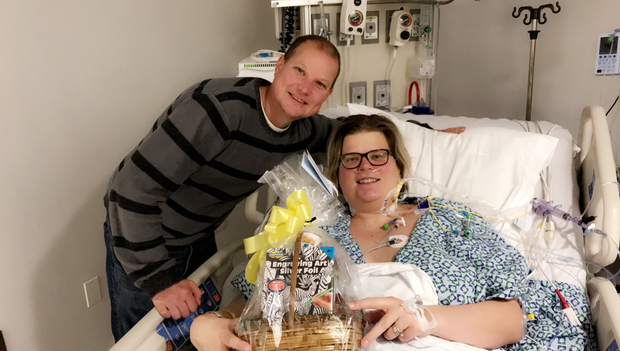
A Long Road to Diagnosis
Megan Kaverman noticed something was amiss at the age of 18. She experienced weight gain and shortness of breath. Despite multiple doctor visits, the cause remained undiagnosed. By 25, she was severely fatigued and found breathing increasingly difficult. Despite these serious concerns, doctors often dismissed her symptoms, attributing them to nerves or suggesting lifestyle changes. One day in 2016, another emergency room visit revealed she was in early heart failure. This led to a firm diagnosis of a rare condition called heritable pulmonary arterial hypertension.
Impact on Family
Following her diagnosis, Kaverman chose to view the day as a new beginning. She began treatment at the Cleveland Clinic, which helped her regain a normal routine. Two years later, her sister, Katie Gusching, started showing similar signs of untreated pulmonary hypertension after her first childbirth. With swelling legs and breathlessness, Gusching experienced a frightening vision disturbance. Following her sister’s advice, she discussed pulmonary hypertension with doctors and underwent testing, confirming the same diagnosis.
“If she hadn’t gone through hell and back to figure out what she had, who knows if I’d be here,” Gusching said.
Understanding the Condition
According to the Mayo Clinic, heritable pulmonary arterial hypertension is a genetic condition. Mutations cause lung arteries to narrow, elevating blood pressure and straining the heart. This heightened effort risks eventual heart failure. The heritable form represents less than 4% of cases, with fewer than one in a million diagnoses, as reported by Orphanet. While there’s no cure, management with medication is possible. A significant percentage of patients learn they are affected only upon facing heart failure.
New Hope and Future Advocacy
Both women initially grappled with the limitations the diagnosis posed on their lives. Yet, they turned to each other for support and guidance. Cleveland Clinic treatments, spearheaded by Dr. Kristen Highland and Dr. Adriano Tonelli, brought stability to their condition. The clinic’s clinical trials aim to further enhance treatment options. Dr. Highland noted significant progress in available treatments, generating renewed optimism for patients.
“It’s good to have someone so close to you going through the same thing,” Kaverman said.
Spreading Awareness and Living Fully
Kaverman and Gusching now advocate raising awareness about pulmonary hypertension. Kaverman advises anyone with unresolved cardiac issues to consult their doctor. The sisters’ conditions are currently stable, allowing them to embrace activities they once believed unattainable, like hiking and running 5Ks. Their condition has led to stronger sisterly bonds, often involving shared clinic visits and mutual support. These experiences inspire them to travel, evidencing a life filled with hope and recovery.
“I want to get better, so I can help advocate for the people that can’t,” Kaverman emphasized.