
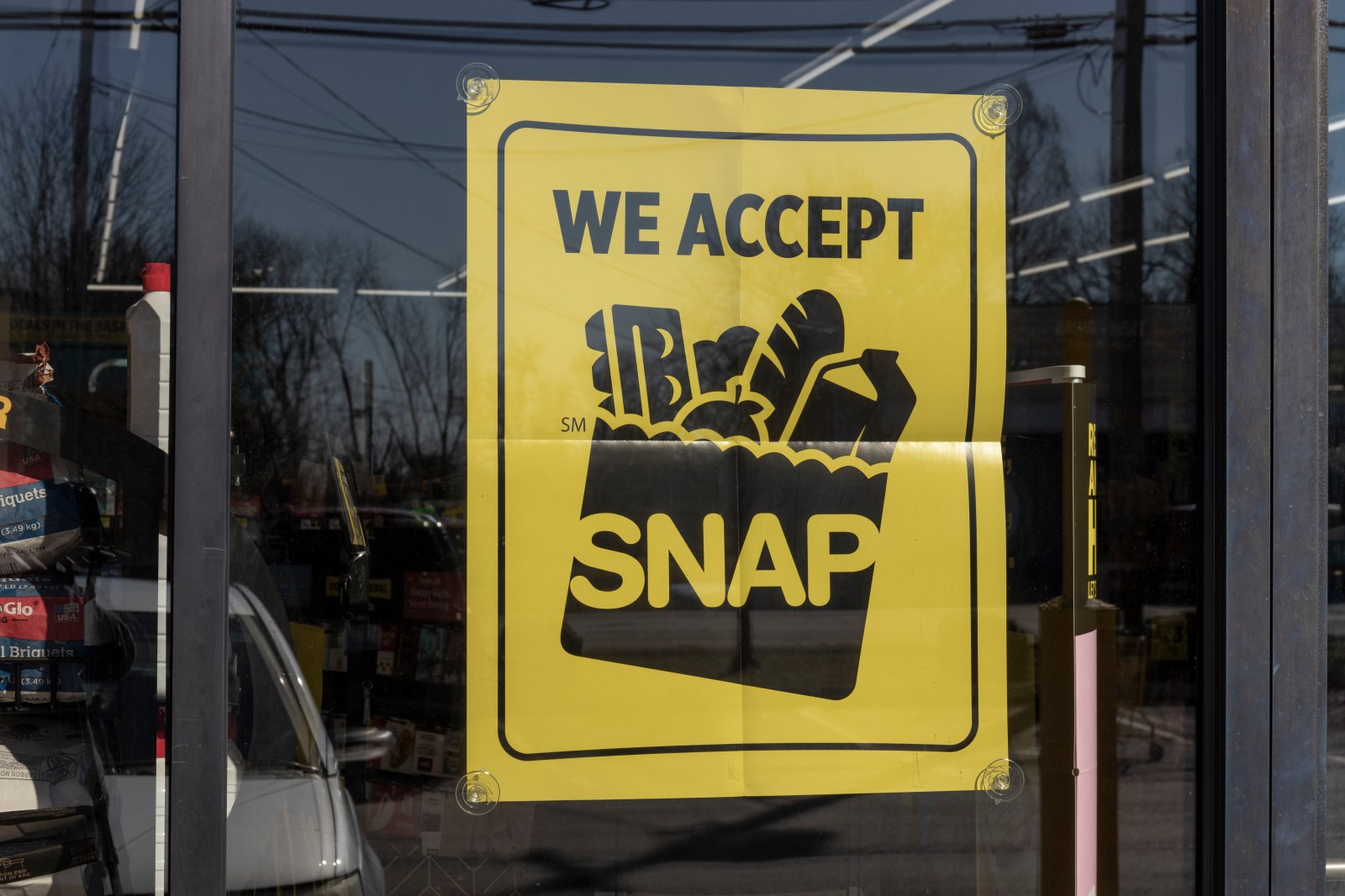
Illinois residents affected by changes in the Supplemental Nutrition Assistance Program (SNAP) will receive a one-time state-funded payment of $400 starting August 1. The initiative, part of the Families Receiving Emergency Support for Hunger (FRESH) program, aims to alleviate the impact of recent federal alterations to SNAP. Up to $70 million will be distributed, with eligible residents automatically receiving payments.
Why Illinois Introduced FRESH
Governor JB Pritzker highlighted the necessity of this temporary measure after federal changes led to thousands in Illinois losing grocery aid. The One Big Beautiful Bill Act, effective from July 2025, altered requirements for SNAP eligibility, causing widespread loss of benefits across the nation. Governor Pritzker criticized the decision to cut food assistance amidst rising living costs.
How FRESH Payments Work
FRESH targets households already removed from SNAP benefits. The Illinois Department of Human Services identifies eligible residents without requiring applications. They will receive a notice before $400 is deposited onto their Illinois Link card. Those without a Link card can request a replacement. The first deposits cover those who lost benefits between May 1 and August 1, with payments beginning August 1.
Recipients losing benefits post-August 1 will receive payments after the 16th of the month their benefits end. Payments will continue until the $70 million allocation is spent. Lieutenant Governor Juliana Stratton emphasized the program’s role in supporting families through financial challenges and maintaining a robust food system.
Receiving a FRESH payment does not affect eligibility for other assistance programs like Medicaid or Temporary Assistance for Needy Families.
Nationwide SNAP Participation Decline
The Illinois initiative follows a significant drop in SNAP enrollment nationally. USDA data shows participation fell from 42 million in early 2025 to just over 37 million by April 2026. The One Big Beautiful Bill Act expanded work requirements, including Able-Bodied Adults Without Dependents, who must fulfill work or training activities to retain eligibility.
Exemptions for some veterans, homeless individuals, and former foster youth were removed; caregiver protections were narrowed, affecting parents of teenagers. Despite these changes, a USDA spokesperson noted enrollment numbers often fluctuate due to various factors beyond federal policy adjustments.
Responses in Other States
Illinois’ use of state funds for direct payments is unique compared to other states’ actions. Many states focus on helping residents navigate new requirements or find employment and training opportunities.
- California: Allocated $39.9 million for technology updates to assist recipients in understanding work requirements and exemptions.
- Maryland: Expanded its SNAP Employment and Training network and created an information hub for recipients.
- New York: Issued guidance on maintaining benefits and supported local employment services.
- Washington: Proposed connecting employment and benefit services, though funding was not approved.
- Arizona: Addressed enrollment losses by hiring more eligibility workers and improving response times.
These measures may help residents retain benefits by reducing administrative errors and aiding compliance. However, no state offers automatic replacement payments like Illinois.