
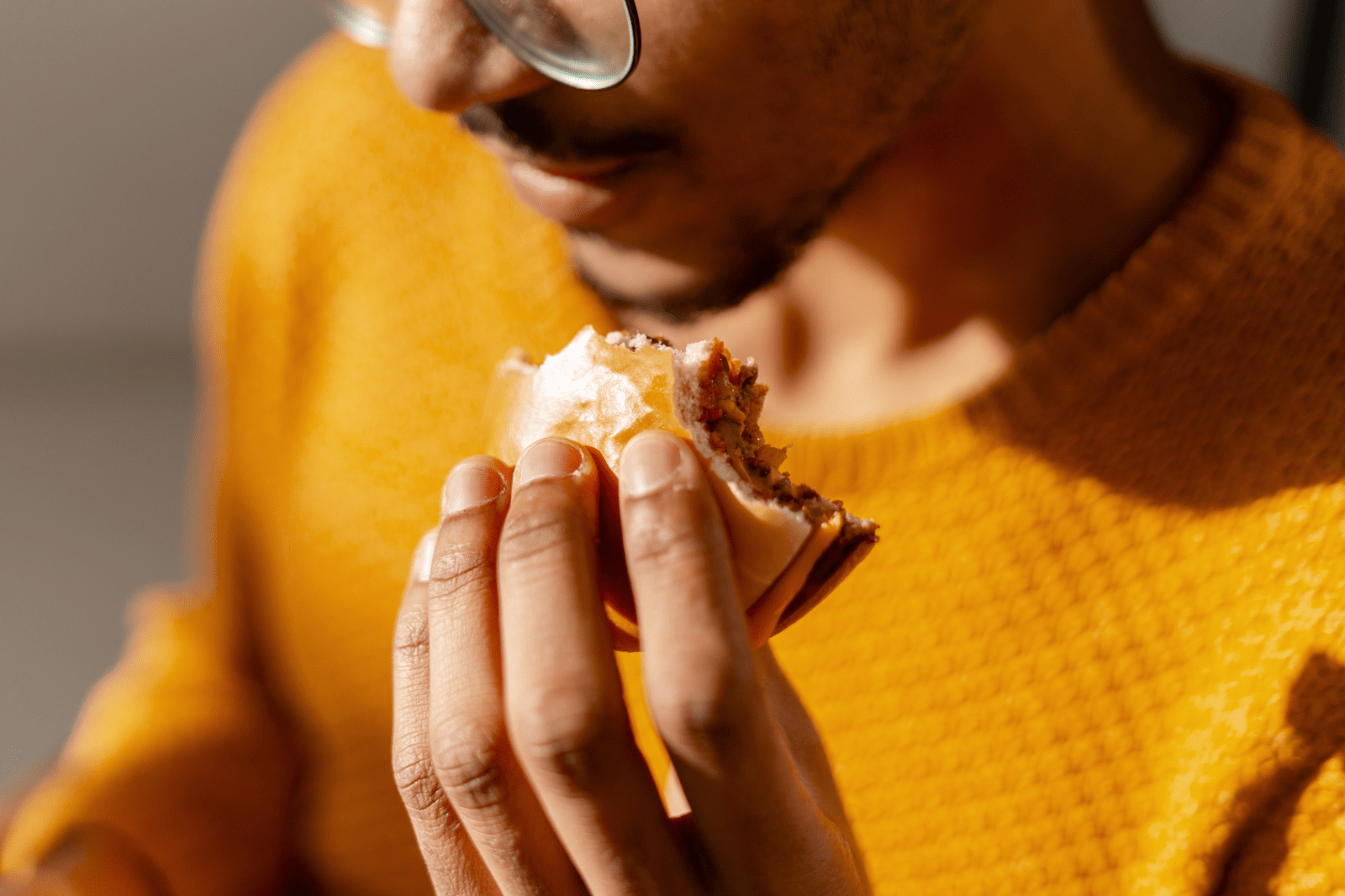
Research indicates that the diet of men prior to fatherhood may impact their children’s health. This conclusion stems from a study in the journal Nutrition Research, focusing on 43 families in Ribeirão Preto, Brazil. The investigation centered on whether fathers’ intake of ultra-processed foods affects newborn growth and body composition.
Ultra-processed foods include processed meats, sugary drinks, packaged snacks, and other industrially produced products. In the study, these foods comprised about 30% of fathers’ calorie intake. Adjusted analyses for factors like age and lifestyle showed a link between higher consumption of these foods and increased birth weight, a higher ponderal index, and greater skinfold thickness in specific newborn body areas.
The research highlights that preconception health concerns both parents. Daniela Sartorelli, coordinating the study at the University of São Paulo, stated the importance of both future parents adopting healthy habits before conceiving. She pointed out that a father’s lifestyle, including diet, weight, and substance use, relates to child health outcomes.
Sartorelli stressed the need to restrict ultra-processed foods before pregnancy. “The data suggest that both expectant mothers and fathers should avoid consuming ultra-processed foods during the preconception period,” she emphasized, adding there is no safe level of consuming these foods.
The study did not find a significant relationship between fathers’ diets and overall neonatal body fat, but suggested paternal dietary habits may influence aspects of fetal growth through epigenetic changes. One such influence might involve IGF-II, a paternal gene crucial for fetal growth, potentially altered by obesity and diet through DNA methylation.
Interestingly, paternal and maternal diets showed different associations with newborn growth. Increased paternal consumption of ultra-processed foods correlated with higher birth weight, while increased maternal intake had opposite effects on birth weight, length, and head circumference. These differences suggest distinct biological pathways in paternal and maternal health impacting fetal development.
“It is therefore suggested that both the expectant mother and father should adopt a healthy lifestyle before conception.”
Researchers acknowledged the study’s limitations, such as its small size and reliance on dietary recall rather than direct observation. The fathers’ diets during pregnancy served as proxies for preconception eating habits, warranting cautious interpretation. Nonetheless, the findings stress involving fathers in preconception health discussions. Larger studies could reinforce the significance of men’s diets before conception in shaping their children’s health.
Reference: Carvalho, M.R., Miranda, D.E.G.A., Baroni, N.F., et al. (2026). A higher paternal ultra-processed food consumption is directly associated with parameters of neonatal anthropometry. Nutrition Research, 151, pp.16–25. doi:10.1016/j.nutres.2026.04.015.