
The safety of autonomous vehicles and electric bikes has become a pressing issue in the United States. The National Highway Traffic Safety Administration (NHTSA) is analyzing the safety risks that arise when autonomous vehicles interfere with emergency response activities. Several incidents have been reported where these vehicles obstruct first responders during critical operations. NHTSA emphasizes the risk posed by autonomous vehicles that fail to appropriately interact with emergency personnel. As a response, discussions between robotaxi developers and NHTSA are planned to address these challenges.
Electric Bikes: Rising Concerns
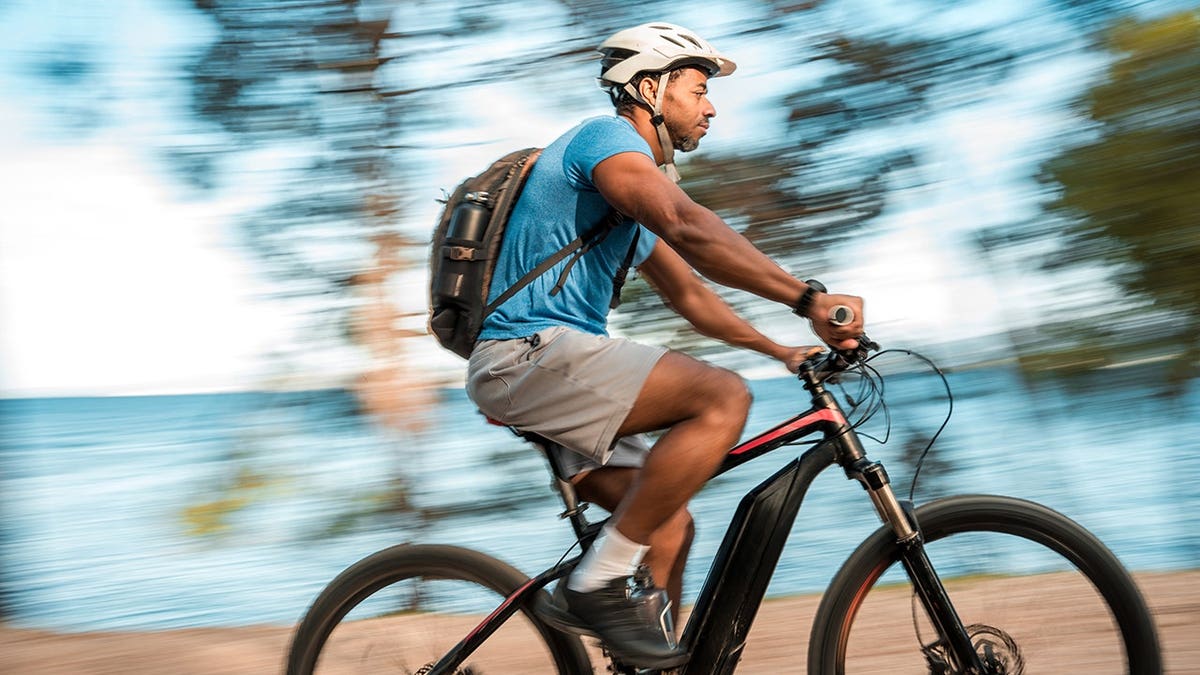
In Detroit, Michigan, the number of serious incidents linked to electric bikes, known as e-bikes, is increasing. Reports from Fox 2 Detroit highlight a surge in e-bike-related crashes, prompting calls for stricter regulations or outright bans in certain areas. E-bikes, capable of reaching speeds up to 28 miles per hour, contribute to the severity of accidents on streets and sidewalks.
Doctor Robert Sherwin from the Detroit Medical Center reports treating injuries ranging from minor to life-threatening trauma as a result of e-bike accidents. He notes the considerable weight and speed of Class 3 e-bikes, likening them to motor vehicles, which many riders may be unprepared to handle.
“These e-bikes are heavier and faster, but the human body remains unchanged regardless of motorization,” Sherwin explains.
John Hughes, a local bike shop owner, points out that traffic congestion, distraction from mobile phones, and the lack of recognition of bikes as legitimate transportation modes are significant factors contributing to the danger.
Cam Cason, an e-bike rider, asserts the efficiency of e-bikes compared to cars, especially in terms of fuel savings. However, safety concerns are prompting states to implement stricter regulations. New Jersey, for example, introduced a law mandating e-bike registrations and requiring riders to be over 15 years old, possessing a valid driving or e-bike license.
The Gravity of Injuries
During a health advisory from NYU Langone Health, alarming statistics on e-bike and scooter-related injuries were revealed. Studies show that medical emergencies involving these vehicles make up approximately 7% of trauma cases at NYC Health + Hospitals/Bellevue. The rise in trauma cases linked to e-bikes escalated dramatically from 2018 to 2023.
Madden Medical research discovered that nearly 30% of patients required intensive care due to injuries, predominantly from collisions with motor vehicles. Helmet use among riders was markedly low, correlating with higher incidences of brain and facial injuries. Alcohol consumption among riders was associated with increased head trauma severity and reduced helmet use.
The NYU Grossman School of Medicine highlights the urgency for improved urban infrastructure to match the growth of e-bike and scooter usage. Proposed preventive measures include the enforcement of helmet laws, safer bike lanes, and speed regulation to minimize injury severity.
Future research should aim to analyze injury statistics across multiple urban areas, evaluating if enhanced bike lanes, helmet initiatives, and speed checks affect the frequency of necessary medical interventions.