
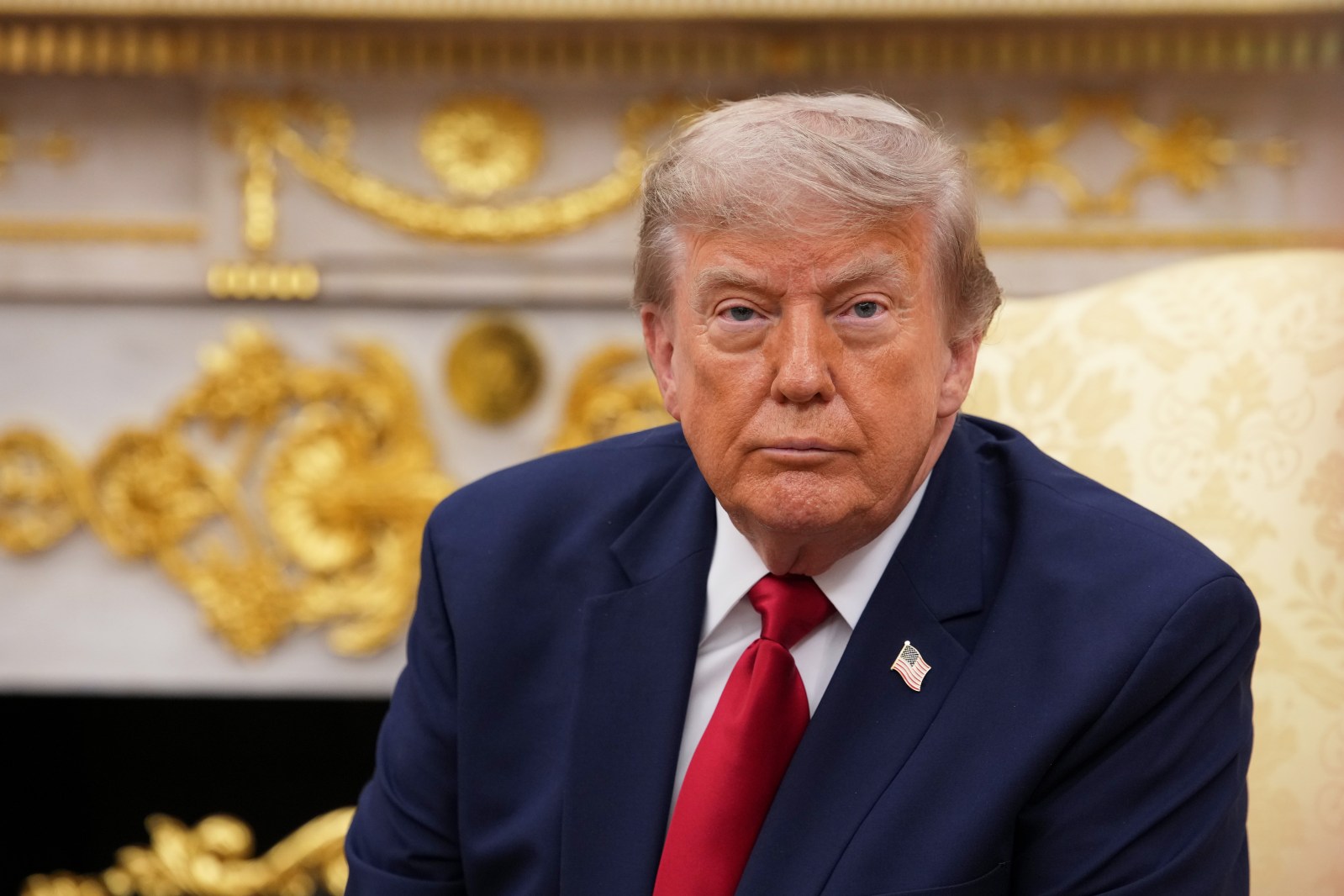
In recent events, the economic landscape for Republicans has shifted due to actions by President Trump. Gas prices have climbed above $4 per gallon, driven by the escalating conflict with Iran. This rise coincides with the implementation of new tariffs affecting U.S. imports from 60 countries. The impact has sparked concerns among Republican voters as midterms approach.
Economic Impact and Political Response
Gas prices increased nationally to over $4 per gallon on Monday, marking a 3% rise within a week according to AAA. This surge followed intensified U.S.-Iran conflicts, which propelled oil prices towards $100 per barrel. The relief observed after a June ceasefire has been overshadowed.
Following the expiry of a temporary 10% global tariff, new tariffs ranging from 10% to 12.5% were imposed. These affect countries responsible for over 99% of U.S. imports. The administration countered liability claims, focusing on military action against Iran as a means to stabilize energy prices.
Republican Concerns and Divisions
Increased gas prices are becoming a worry among Republican lawmakers, affecting their election strategies. Some express doubt about the ongoing war. Senator Shelley Moore Capito noted public weariness from the conflict. Senator Jim Justice called for an off-ramp, and Rand Paul criticized the war’s lack of success.
Multiple Republicans, including Pennsylvania Representative Brian Fitzpatrick, have criticized Trump’s spending priorities amid rising costs. Four House Republicans supported a resolution to end the war, indicating resistance even among Trump allies.
Voter Sentiments and Party Strategy
Polling reveals dissatisfaction with Trump’s handling of the economy. A July survey showed that 65% disapprove of his efforts, while 66% label groceries as unaffordable. Republican strategist Alex Patton described increasing challenges for GOP candidates, highlighting issues with affordability messaging.
Tariffs remain controversial, with a division within the Republican coalition. February surveys reflected a 71% approval rate among Republicans, but among non-MAGA Republicans, this drops to 43%. These tariffs are considered a factor contributing to inflation worries.
Implications for Competitive Districts
Rising gas prices are impacting key battleground districts, critical for Republican control. Among competitive House districts, nine out of thirteen experiencing faster-than-average price increases are held by Republicans. Districts in California and Colorado exemplify this trend, complicating re-election efforts.
The fluctuating ceasefire status with Iran affects Trump’s approval ratings, underscoring political vulnerabilities triggered by international conflict.
Political Forecast and Voter Impact
Current polls illustrate challenges for Republicans. Democrats show leads in key metrics, suggesting a potential shift in legislative control. Strategists identify structural barriers like redistricting that could temper Democratic wins despite their momentum.
With approaching elections, Republicans face an urgent need to shift narratives as they contend with rising costs and economic policy criticisms.
For comments on the story, Newsweek editors Jason Lemon and Dave Siminoff can be contacted.