
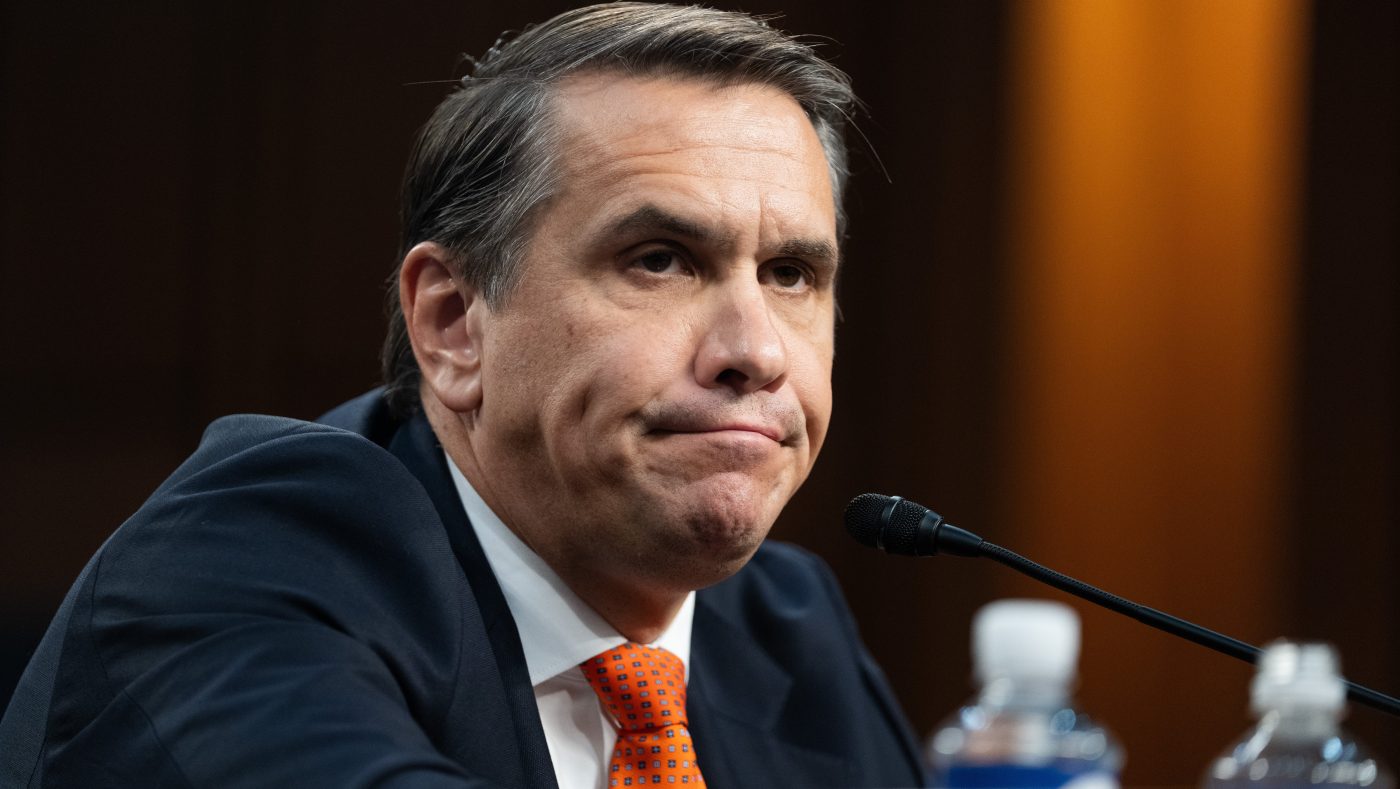
On Wednesday, July 15, 2026, Todd Blanche, the acting Attorney General, appeared before the Senate Judiciary Committee for his confirmation hearing on Capitol Hill. Questions arose regarding his stance on defending future claims for compensation from defendants pardoned for the January 6 Capitol riot. Blanche’s assurance of vigorous defense fell short, particularly concerning President Trump.
The controversy stems from a $10 billion lawsuit filed by Trump, accusing the government of unlawfully releasing his tax information. An ensuing settlement, signed by Blanche, protected Trump, his companies, and family members from prosecution for events before May 19, 2026. This agreement, which included clauses about tax returns, effectively acted as an indirect presidential pardon.
Critics argue that Blanche failed to defend the case against Trump. The government settled without contesting, neglecting to employ potential defenses such as the expiration of the statute of limitations. A judge criticized the Department of Justice for not adequately defending U.S. interests and exceeding legal boundaries with the settlement. There are suggestions that Blanche could face disciplinary action from the New York state bar based on the judge’s opinion.
During his recent confirmation hearings, the focus was not solely on the settlement details but Blanche’s willingness to settle. The role of the attorney general is to represent the U.S., not the president, which requires saying “no” when necessary. Instances where past attorneys general have taken such a stance include John Ashcroft, who opposed a domestic spying program for its illegality, and Jeff Sessions who upheld the rule of law despite presidential pressure. Even Bill Barr opposed Trump when necessary.
Blanche, however, shows a lack of this independence, making him unsuitable for the attorney general role. He did not oppose Trump’s dubious lawsuit and continues to uphold the voided immunity deal. The issue transcends policies or party politics, pointing to Blanche’s lack of ethical judgment. When questioned by Sen. John Kennedy about his relationship with Trump, Blanche mistakenly referred to himself as Trump’s lawyer, revealing his entanglement with Trump.
Trump may favor Blanche for his attorney general due to this connection, but it is why Republican senators should hesitate before confirming him. Out of the 21 Republican lawyers in the Senate, all should recognize Blanche’s unsuitability based on his ethical and temperamental shortcomings. The attorney general’s role is to defend the rule of law for the country, not serve as a tool for presidential agendas.
A confirmation of Blanche would reflect more on Senate Republicans’ actions than on Blanche himself. With potential consequences looming as election time approaches, the question of senators simply affirming Trump’s decisions without scrutiny will be significant.