
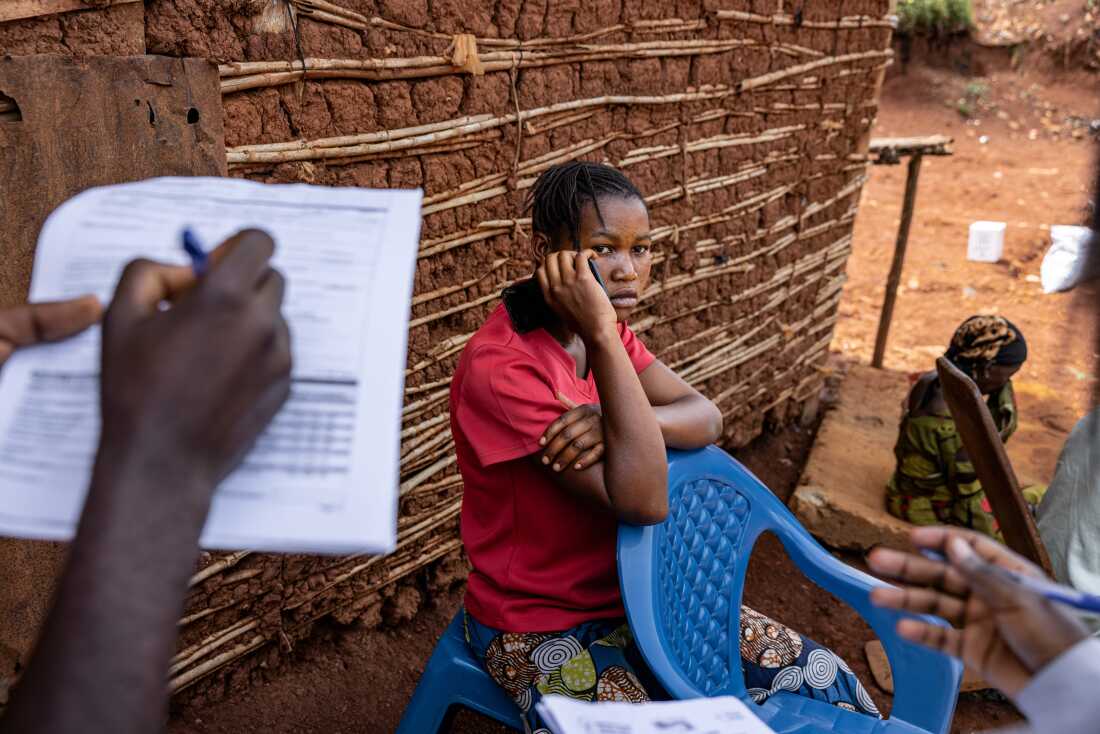
Health authorities in the Democratic Republic of Congo are conducting interviews as part of their contact tracing efforts. Their goal is to locate individuals who have interacted with Ebola-infected persons. This process is crucial in managing outbreaks, especially when there is no approved vaccine available. Armand Sprecher, an infectious diseases physician at Doctors Without Borders, explains that the key is to stay ahead of the virus. He emphasizes the importance of identifying possible routes of virus transmission. Health officials ask questions like, “Who interacted with that sick person? Who cared for them? Who managed their laundry? Who attended a burial of someone with Ebola?”
The virus spreads through bodily fluids and can only infect individuals who have been in contact with those fluids. Identifying these individuals promptly, informing them of their exposure, and monitoring them can prevent further spread. If symptoms develop, they can receive treatment faster, reducing further transmission risks. Although contact tracing is labor-intensive, it is effective in managing outbreaks when done correctly, according to Sprecher.
However, officials are struggling to contain the current outbreak. Over two months in, the Ebola virus has led to the deaths of more than 1,000 people and infected over 2,400. New cases continue to rise, with over 80% emerging outside known contacts. This is particularly concerning, says Nahid Bhadelia, an infectious disease physician at Boston University. This indicates that more individuals may be infected than currently identified, and contact tracing efforts are lagging. The outbreak occurs in a region with transient workers and ongoing conflict, complicating efforts to trace contact networks.
To bolster efforts, the World Health Organization (WHO) is training 21,000 community workers. Despite these measures, entire chains of transmission might be occurring outside official health monitoring, only detected once a person becomes seriously ill or dies. Bhadelia highlights that many cases may go unrecorded. This delay in seeking medical care can lower survival rates. According to WHO, roughly two-thirds of Ebola-related deaths occur outside healthcare facilities.
Some individuals with potential Ebola symptoms avoid clinics, staying home or seeking traditional healers. Boghuma Titanji, an infectious disease physician at Emory University, points out that stigma is a major factor. In affected areas, mistrust toward medical science and authorities hampers effective outbreak response. Titanji compares the situation to seeing only the iceberg’s tip, unable to gauge its full size due to limited detection capabilities.
Building trust within communities is essential but challenging, says Bhadelia. Nevertheless, recent developments, such as clinical trials for potential treatments and a drug meant to protect exposed individuals from illness, offer hope. Better care options may gradually foster community trust. Though these therapies are accessible through clinical trials only, Bhadelia hopes they can encourage more individuals to seek help. Ultimately, enhancing care and engaging community members is vital for controlling the outbreak and reducing its impact.