
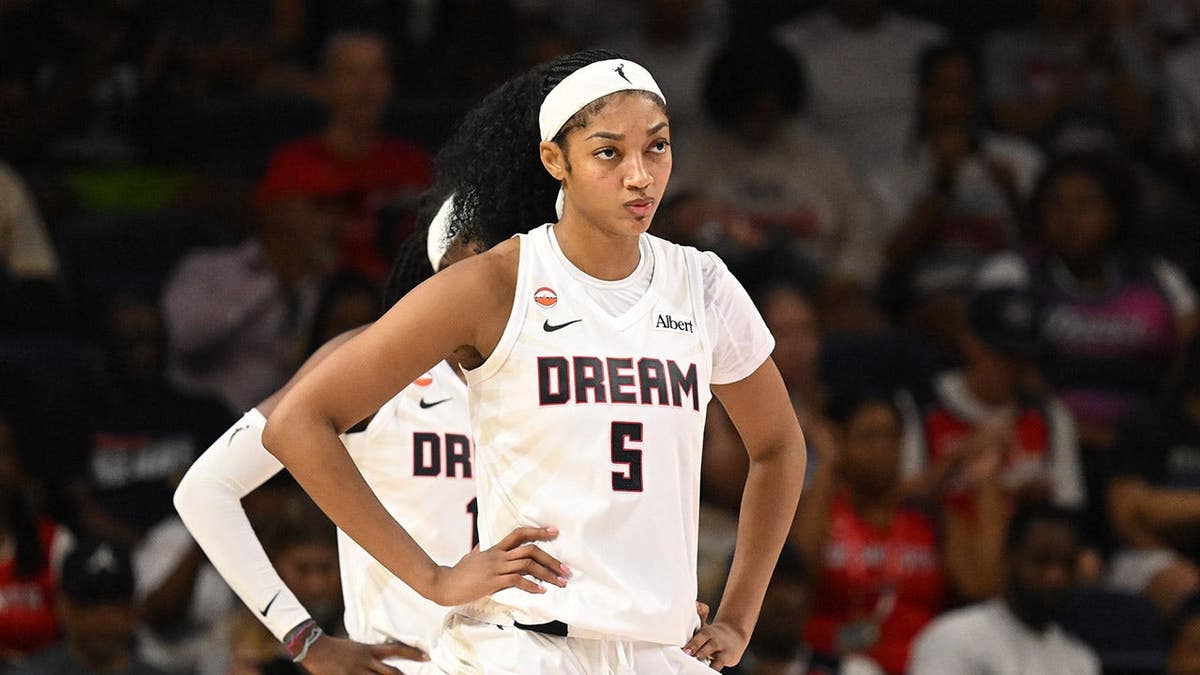
The phenomenon of claiming victimhood for social capital is becoming prevalent in contemporary society. A notable example is WNBA star Angel Reese, who has positioned herself as a victim in various situations involving fans, coaches, and the media. Despite her popularity and success, Reese often portrays herself as unfairly treated.
The Incident with Coach Sandy Brondello
Recently, an incident occurred when Toronto Tempo coach Sandy Brondello referred to Reese as a ‘protected species’ after a contentious foul call. This phrase, common in Australian sports lingo, implies preferential treatment without racial connotations. However, Reese interpreted it as racially insensitive and responded on social media with implied accusations of racism towards Brondello.
Brondello, later apologizing, clarified her frustration was with the officiating, yet she faced a suspension. This incident sparked debate over cultural misunderstandings and the repercussions of such public declarations.
Reese’s Experience with Online Abuse
Reese has addressed receiving abusive messages online, including fake explicit images. While such behavior is unacceptable, Reese’s narrative suggests that Black women uniquely suffer from this kind of attention. However, this issue is widespread, affecting many individuals in the public eye, regardless of race or gender. Social media inherently exposes public figures to scrutiny and trolling.
Public Figures and the Consequences of Fame
Reese has leveraged her public image to highlight racism and media bias, notably after taunting Caitlin Clark during the 2023 national championship. Critics viewed her actions as excessive, while others saw the backlash as racially motivated. Reese has repeatedly used instances of criticism to frame herself as a victim of broader societal issues, while simultaneously gaining considerable attention and opportunities.
Perceived Media Bias and Narratives
Reese claims the media has profited from painting her as a villain. Despite instances where Reese embraced this role for her brand, she criticizes the media for creating and benefiting from this narrative. Her popularity, endorsements, and social media presence have all grown as a result of her public controversies, showing a dual benefit and disadvantage of fame.
The Broader Implications of Controversy
The dynamic around Reese highlights broader discussions about cultural sensitivity, media portrayal, and the role public figures play in shaping their narratives. While facing legitimate issues with online abuse and racism, Reese’s approach to framing her experiences often blurs the lines between media manipulation and genuine claims of victimhood.
Ultimately, Reese has successfully navigated the complexities of fame, using her platform to address critical societal issues. However, the balance between declaring victimhood for personal gain and addressing genuine concerns remains a delicate one.