
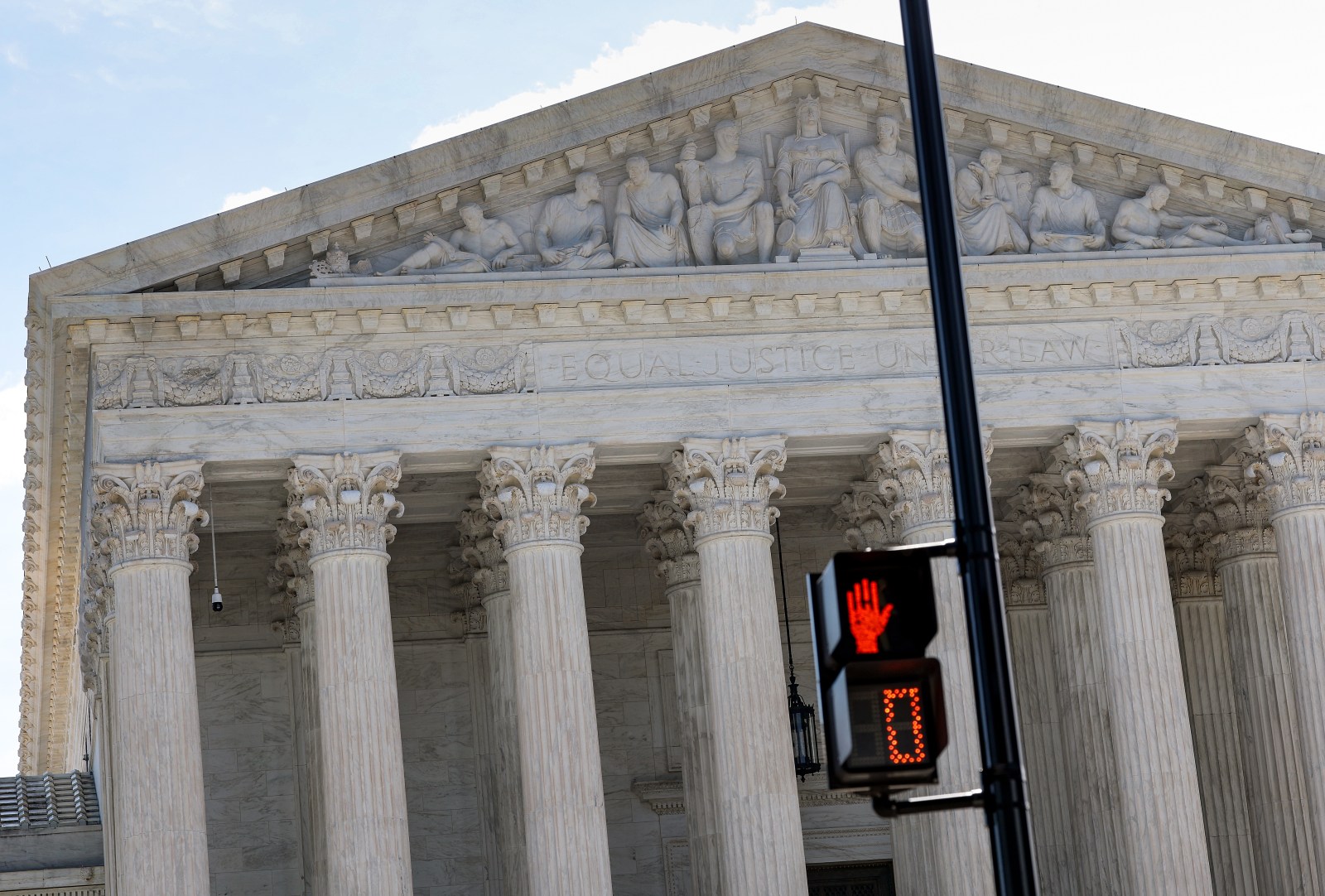
The Trump administration has issued a warning to Temporary Protected Status (TPS) holders, indicating that they have a limited timeframe to self-deport before their legal status ends. This announcement follows the U.S. Supreme Court’s decision to terminate protections. James Percival, General Counsel for the Department of Homeland Security (DHS), stated that the legal limbo for thousands of immigrants from countries like Haiti and Syria remains, even though their work permits are still active.
The Supreme Court’s Ruling on TPS
On June 25, the Supreme Court made a 6-3 decision in the case of Mullin v. Doe. This ruling reversed previous lower court orders preventing the Trump administration from ending TPS for Haiti and Syria. This was a significant win for the administration’s immigration policy. The DHS maintained that TPS is meant to be temporary and contended that conditions in several countries have improved sufficiently for immigrants to return.
The administration argued that the courts lack the power to challenge key TPS determinations. This position was supported by six conservative justices, allowing DHS to swiftly terminate protections for about 350,000 Haitians and 6,000 Syrians. These individuals had been granted work authorization and legal status through the program. The Supreme Court decision is expected to influence other similar cases, potentially leading to the termination of TPS for additional nations.
Status of TPS Work Permits
James Percival also noted on Friday that multiple TPS cases remain stalled in lower courts as judges delay lifting injunctions following the Supreme Court’s decision. For example, the judge handling Somalia’s TPS has postponed addressing the issue until August 20. Percival described these delays as ongoing judicial obstructions to DHS’s efforts to end TPS.
Some TPS recipients were initially informed that their permits would expire on July 10. However, this deadline passed without all cases being updated. The work authorization extension affected nationals from Haiti, Syria, Burma, Yemen, Ethiopia, South Sudan, and Somalia according to DHS updates.
Percival also clarified that although the Supreme Court’s decision would not be in force until a month after its announcement, lower courts must still comply with it. He emphasized that DHS plans to act swiftly to terminate TPS once all legal barriers are lifted, removing legal protections for many TPS holders.
Implications of Ending TPS
Several organizations, including business groups, labor unions, and immigrant advocates, have expressed concern about the impact of ending work authorization for TPS holders. The National TPS Alliance, challenging the administration in court, warned that the Supreme Court’s decision could lead to a state of uncertainty for hundreds of thousands of people overnight.
Revoking TPS will largely result in holders losing their legal status in the U.S., exposing them to potential removal proceedings.