
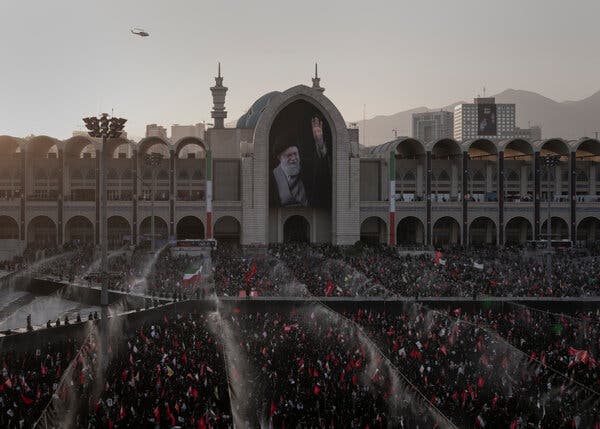
Reporting from Iran has long been a challenging task. The complexities of gathering news in this region, even before the ongoing conflict, have always been immense. In these challenging circumstances, much of the reporting by The New York Times is conducted remotely. Journalists rely on conversations with contacts within the country, verified images, and social media to gather information.
Recently, journalists Abdi Latif Dahir, a Middle East correspondent, and Emile Ducke, a photographer, became the first representatives from The Times to enter Iran since the United States and Israel launched attacks in late February. They were accompanied by two associates from The Times’s video department. The team traveled from three continents to cover the funeral of Ayatollah Ali Khamenei, Iran’s recently deceased supreme leader.
Mike Abrams, the deputy editor for Trust at The Times, spoke with Abdi about his experiences and the challenges he faced during his stay in Iran. The conversation aimed to enhance readers’ understanding of the assignment’s complexities. Here are some key insights from their discussion, presented in interview format.
Abdi, images of the mourners streamed across screens worldwide. Can you take us there?
Abdi Latif Dahir: The funeral ceremonies lasted several days and took place in various cities. I attended four ceremonies, each more crowded and intense than the last. The procession in Tehran’s Azadi Square was particularly overwhelming. On a hot day filled with emotions and history, the masses offered a glimpse into the chaos and mourning. This funeral honored a man admired by millions, but also remembered for a leadership marked by oppression and suffering.
The turnout was vast, reflecting the complex and varied feelings toward Ayatollah Ali Khamenei. The ceremonies represented a historical moment reverberating beyond Iran’s borders.