
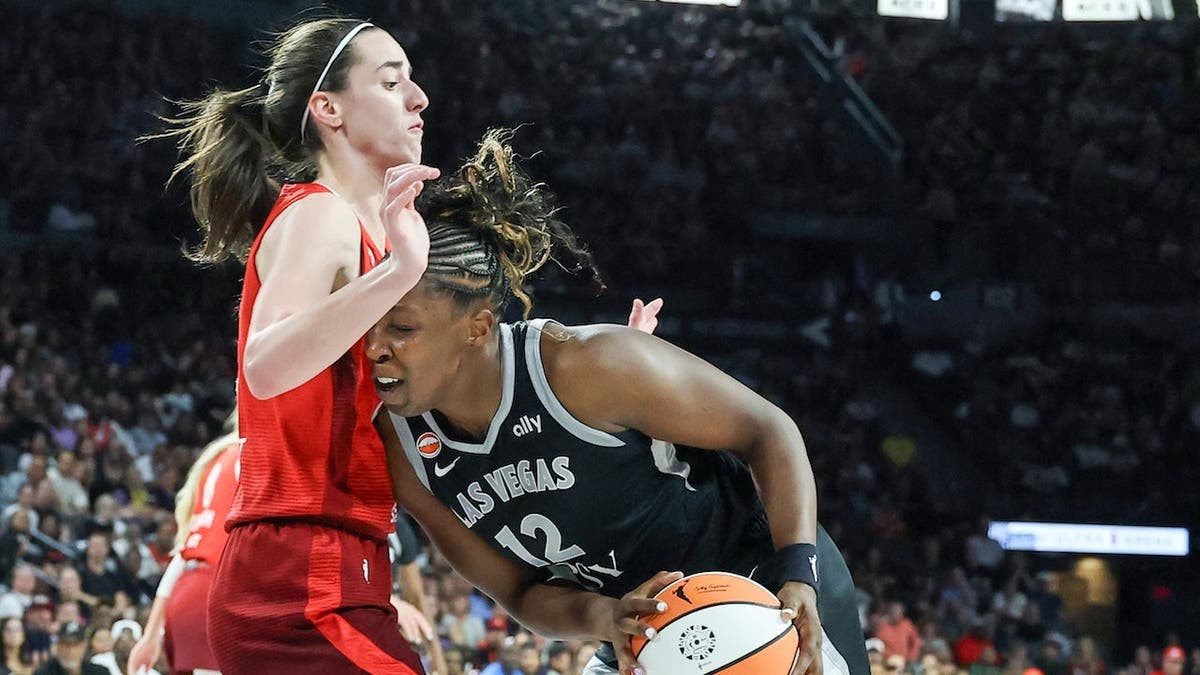
Hilton Grand Vacations announced on Tuesday the dismissal of an employee who allegedly sent a racist message to Chelsea Gray, a guard for the Las Vegas Aces, on social media. Gray shared a screenshot of the message on Instagram, expressing frustration over being told as an athlete to ‘shut up and dribble.’
Online hate is widespread and affects many public figures, not just WNBA players. The issue gains attention because players like Gray choose to publicize these messages. This approach contrasts with how others handle similar situations, often opting to ignore or block such interactions.
Chelsea Gray is not alone; other WNBA players, like Alyssa Thomas, have also highlighted the threats they receive. Thomas criticized the league’s commissioner, Cathy Engelbert, for not doing enough to protect players from online harassment. However, it’s unclear how a commissioner can control anonymous trolling on social media.
Notably, Caitlin Clark dealt with a serious threat when an Indianapolis man was arrested for continuously harassing her. This situation shows the importance of taking credible threats seriously and using existing security measures.
Critics argue that WNBA players sometimes amplify negative attention to frame themselves as victims. They believe players should accept that fame involves dealing with negativity, as demonstrated by other public figures like ESPN analyst Mina Kimes. Kimes faced backlash when she used her platform for political endorsements, leading to mixed reactions. Despite unpleasant comments, her case illustrates that being in the public eye invites scrutiny.
For WNBA players, handling fame’s consequences might mean developing thicker skin towards online criticism. Companies attempting to police online behavior risk stretching resources thin by investigating every offensive post made by employees.
Ultimately, the influence of online trolls stems from the attention they receive. Ignoring them proves more effective than engaging. Broadcasting their insults can unintentionally empower them, highlighting the importance of dismissing their remarks.