
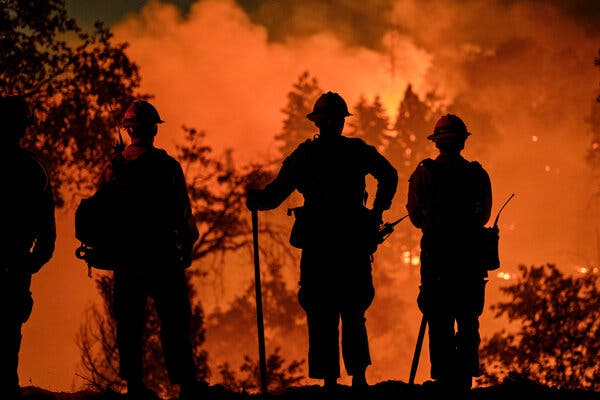
Wildfires can create dangerous levels of smoke, posing health risks to those nearby. Here are important steps to stay safe.
Check the Air Quality
Monitoring air quality is crucial during wildfire events. The New York Times offers maps tracking nationwide air quality and wildfire smoke. Websites like AirNow.gov and Fire.AirNow.gov provide air quality index (AQI) values for specific areas. These tools help decide if time spent outdoors should be limited.
AQI values over 100 suggest outdoor air might be unsafe for at-risk individuals. According to the Centers for Disease Control and Prevention (CDC), levels between 151 and 200 may lead to serious health effects for high-risk groups. Values over 200 are deemed very unhealthy for everyone. An AQI between 301 and 500 indicates hazardous pollution levels, significantly raising the likelihood of health issues.
Understand Your Risk
Smoke can worsen symptoms related to respiratory conditions such as asthma and chronic obstructive pulmonary disease (COPD). If you have these conditions, exercise caution in smoky conditions. Additionally, individuals with chronic conditions like diabetes, chronic kidney disease, and heart disease are more susceptible to smoke-related illnesses, the CDC states. Children and pregnant women are also at increased risk.
Wildfire smoke can affect anyone, causing immediate symptoms such as coughing, wheezing, headaches, stinging eyes, sore throats, sinus irritation, chest pain, rapid heartbeat, and fatigue. Being aware of these effects is important for ensuring personal safety during wildfire events.