
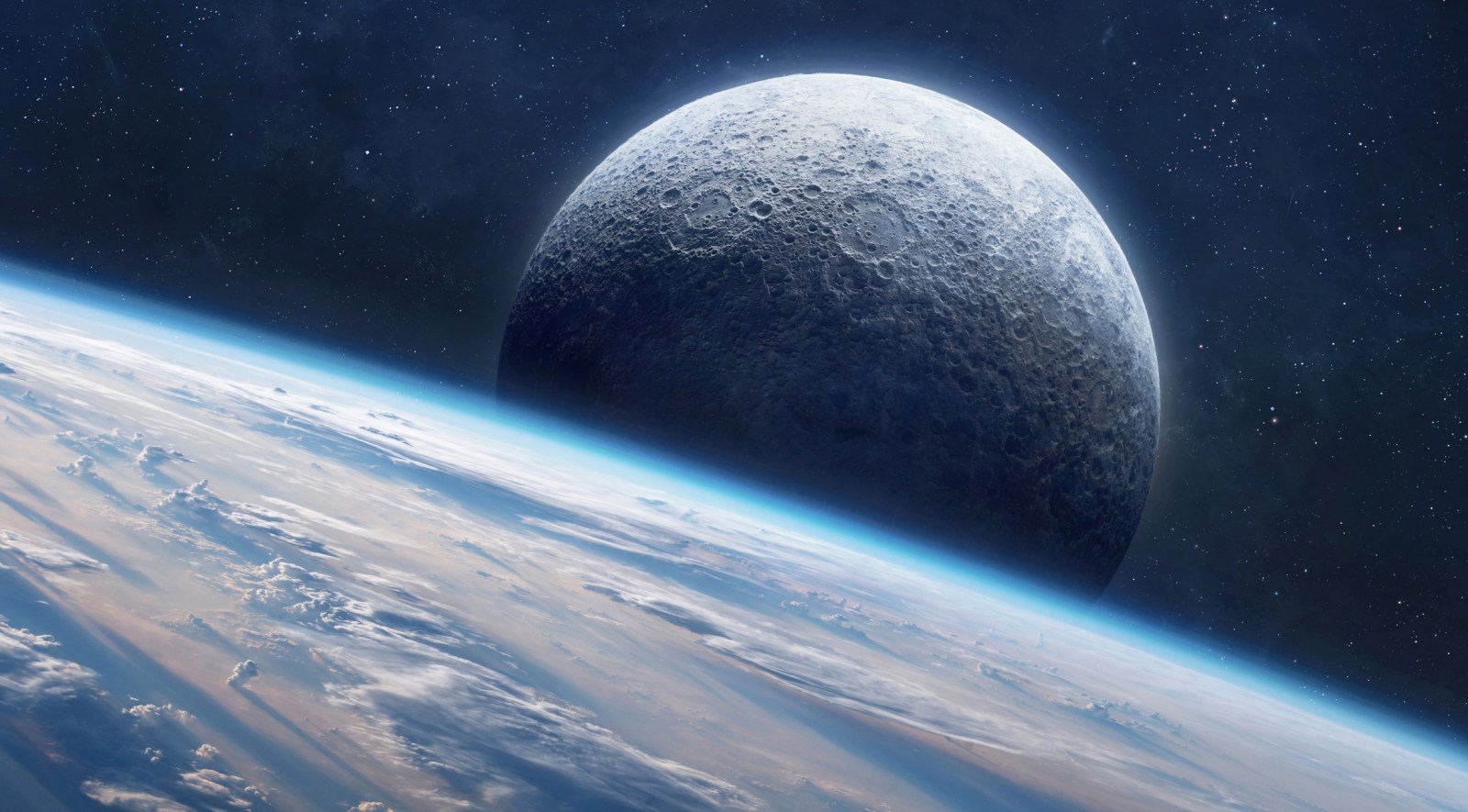
The moon has long symbolized exploration and possibility. As NASA aims to establish a sustained base near the lunar South Pole, future residents might encounter a psychological experiment novel to humanity. Experts, including neuroscientists, highlight the potential for significant shifts in thoughts, emotions, and interactions among residents.
NASA’s plans for a continuous lunar presence have gained momentum this year. In May, the agency introduced a roadmap for the Moon Base Program, featuring a three-phase strategy. The final phase aims for ‘sustained human presence’ on the lunar surface by 2032. At this stage, living and working on the moon becomes a reality.
Psychological demands are a critical concern in space travel, as outlined by NASA’s research. Isolation and confinement might impair cognitive and behavioral functions. Although measures on the International Space Station (ISS) have been successful, future missions beyond Earth’s orbit might struggle with limited traditional support systems.
A NASA-led study, featured in Frontiers in Physiology, examined astronauts on six-month ISS missions. It noted stable cognitive performance overall but found slower processing speed, attention, and working memory during flight periods.
The Risk of Isolation
Isolation poses considerable mental health challenges. Dr. Dave Rabin, a psychiatrist and neuroscientist, emphasizes that long-term lunar stays would challenge the nervous system profoundly. Humans evolved with sunlight, gravity, landscapes, and social interaction. Extended isolation risks insomnia, anxiety, depression, irritability, and cognitive difficulties.
Space’s harsh psychological setting can lead to hallucinations, sleep disruption, and emotional distress. While the moon may inspire awe, Rabin cautions that awe without belonging can lead to existential vertigo.
The absence of environmental signals reminds individuals of their origins, which is crucial for mental well-being. Rabin describes a lunar settlement as a sensory deprivation chamber with scenic views but lacking weather, wildlife, changing seasons, and familiar sounds.
The Emotional Impact of Reduced Gravity
Research indicates reduced gravity may affect emotional well-being. Rabin notes gravity as more than a physical force; it influences balance, posture, blood flow, sleep, movement, and spatial orientation. Although lunar gravity is not zero, its weaker force could indirectly impact cognition and mood.
Matt Grammer, a clinical counselor, concurs, noting lunar settlements eliminate cues regulating mood and identity, like weather and daily rhythms. He warns that this could lead to anxiety, depression, irritability, emotional numbing, and decision-making challenges. Unlike ISS astronauts, lunar settlers need functioning societies, not temporary crews.
Grammer articulates the risk of monotony overshadowing fear on the moon. Human beings require change through weather, seasons, nature, community, and routines. Without variability, lunar residents must find artificial cues to prevent perceiving the environment as emotionally flat.
Defining a New Human Identity
Dr. Sam Zand, CEO of Anywhere Clinic, highlights the struggle of maintaining connections among moon residents. Prolonged confinement and separation are significant risks, similar to polar expeditions and space missions. While the body adapts, the psyche may not follow suit.
Zand suggests that future lunar habitats recreate aspects of Earth to foster connections with something greater. While adaptation is possible, it might redefine human identity significantly. Rabin believes permanent lunar life will forge a new human identity, biologically human yet shaped by distance from Earth.
This transformation might be intriguing and unique but potentially lonely and spiritually destabilizing. The central psychological challenge lies in whether lunar settlers view themselves as pioneers expanding human possibility or exiles estranged from Earth’s living world.
Navigating sustained human presence on the moon involves addressing not just survival but maintaining human identity and well-being.