
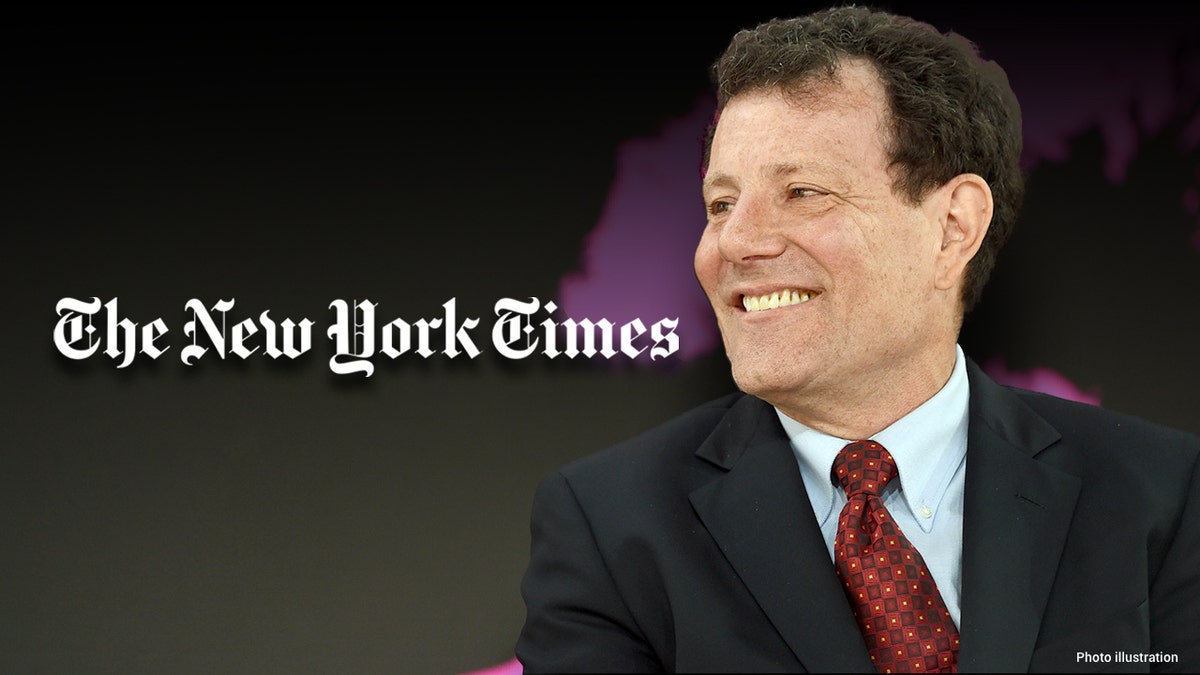
Nicholas Kristof, a columnist for the New York Times, has declared he has no intention of running for any political office in response to criticisms concerning his previous campaign. These criticisms involve inadequate disclosure when covering individuals who contributed to his 2021 Oregon gubernatorial campaign and questions about how leftover funds were handled.
After briefly departing from the Times in 2021 to pursue a Democratic nomination for Oregon governor, Kristof returned upon being deemed ineligible due to not meeting the state’s three-year residency requirement. During his short campaign, he raised considerable funds, a significant portion of which was left unspent. Recently, the Times took action after reports suggested Kristof did not disclose financial ties with subjects in his columns. Following an internal review, editorial notes were added to nine of his columns.
The New York Times conducted an internal review and attached editorial notes to nine of Kristof’s pieces.
Kristof transferred around $1 million to Oregon Strong, a political action committee, which his wife, Sheryl WuDunn, oversees. Although he stated that this PAC was intended to fund job training initiatives in Oregon, its contributions have raised questions. As of the latest public records, very little of the funds have been allocated to job programs. Oregon Strong has only made a large donation to Vision to Learn and a small one to another group. The majority of funds remain unutilized, prompting skepticism about Kristof’s potential political ambitions and his ongoing role at the Times.
In response to questions, Kristof distanced himself from the PAC’s activities since 2022, and he denounced media scrutiny as attempts to undermine investigative journalism. He reiterated having no ambition to ever campaign for elected office again.
Earlier this year, Kristof faced criticism for a controversial opinion piece regarding alleged abuse by Israeli forces. His reporting was called into question, with some deeming it propagandist. Kristof attributes the criticism to backlash over his coverage of Israeli-Palestinian issues.
Further compounding the scrutiny, Kristof has been accused of writing favorably about his campaign donors without proper disclosure. His connections to Vision to Learn, a beneficiary of the Oregon Strong funds, have been particularly highlighted. The Times’ ethical guidelines clearly prohibit their staff from engaging in activities that might suggest a conflict of interest.
Critics argue that Kristof’s actions contravene these journalistic principles, sparking ethical concerns at the Times. As the situation unfolds, neither Kristof nor the Times has provided comprehensive responses to all questions regarding the unspent campaign funds.