
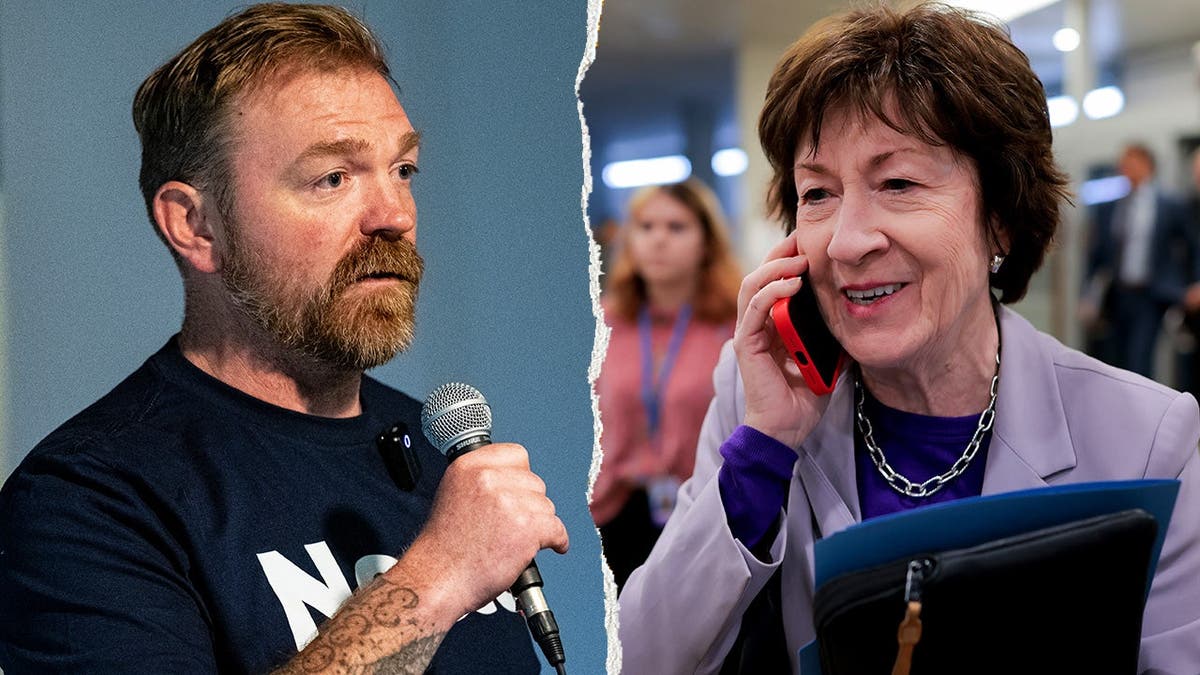
A recent poll has highlighted the challenges Democratic candidate Graham Platner is facing in the Maine Senate race. Despite focusing his campaign on his work as an oyster farmer, this message seems to lack resonance with working-class voters.
Platner trails significantly behind incumbent Republican Senator Susan Collins among registered voters without a four-year college degree. According to the New York Times/Portland Press Herald/Siena poll, Platner lags by 21 points, with 37% support compared to Collins’ 58%. In contrast, Platner holds an advantage of 37 points with White college-educated voters but is 23 points behind Collins with White non-college-educated voters.
The findings reveal a shift from the 2020 situation when Collins led Democrat Sara Gideon by a narrow 48%-45% margin among White non-college-educated voters. The current 20-point shift indicates changes in voter dynamics over the years, as Collins previously won the statewide race by around nine points.
Platner’s campaign has faced scrutiny and criticism over the authenticity of his working-class image. Although he promotes himself as an oyster farmer and harbor master, financial disclosures indicate minimal income from oyster farming. Additionally, reports have suggested that Platner’s primary source of income comes from veteran’s disability payments.
Platner’s wealthy background and education in private schools, including the exclusive Hotchkiss School, contradict the blue-collar image he portrays. Maine Republican state Representative Laurel Libby emphasized the importance of authenticity in Maine politics, highlighting that voters seek genuine representation rather than a performance.
Further complicating Platner’s campaign are controversies regarding his past, including allegations of infidelity, physical abuse, and offensive tattoos, which have damaged his image among voters. A Fox News poll showed that only 44% believe he possesses good character, while 47% consider him too extreme for the state.
Despite these challenges, Platner has managed to secure a narrow two-point lead over Collins according to a New York Times poll. His campaign appeal as a combat veteran opposing former President Trump and the traditional political establishment is resonating with some voter segments. The poll also indicated a desire among 54% of respondents for the Democrats to regain Senate control in the upcoming midterms, though Collins has captured 10% of voters who support Democratic control.
The poll raises warning signs for Collins, as many perceive her to be too supportive of Trump, and there are concerns about her age impacting her effectiveness as a senator. These factors contribute to the dynamic nature of the contest as the election approaches.