
Democrats nationwide are expressing outrage following the Supreme Court’s decision in Mullin v Doe. This ruling permits the Trump administration to proceed with plans to repatriate hundreds of thousands of temporary refugees from Haiti and Syria.
Understanding Temporary Protected Status
The discussion around temporary protected status for refugees centers on the term “temporary.” Americans, who shoulder the responsibility of supporting these refugees, seek clarity on its meaning.
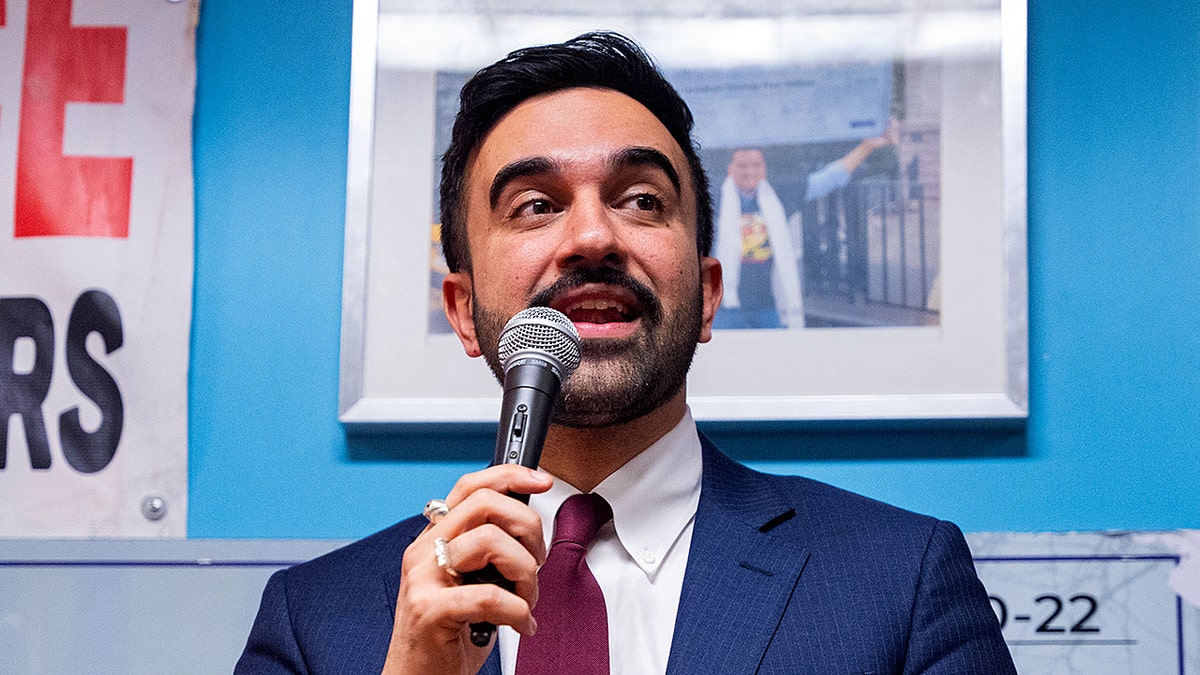
New York Mayor Zohran Mamdani, regarded as a leading figure within the national Democratic Party, addressed the situation: “The Supreme Court initiated a significant attack on immigrants in modern American history. Thousands of Haitians and Syrians are now at risk of losing the right to reside and work in the United States.”
“The Supreme Court just sparked one of the largest attacks on immigrants in modern American history.” – Zohran Mamdani
Refugees vs. Immigrants
To comprehend these matters, one must recognize the difference between refugees and immigrants, as well as the distinct impacts they have on native populations.
Immigrants usually aim to assimilate into American culture as their future generations will live here. Refugees, however, might return to their home countries, which is reflected in the use of “temporary.”
The Reality on the Ground
In cities like Springfield, Ohio, and Minneapolis, the temporary status has fostered communities of Haitians and Somalis living as they did in their original homes, with the help of taxpayer benefits. Business owners, supported by organizations like the Chamber of Commerce and the Cato Institute, view this positively due to a subsidized workforce.
In Springfield, the local community has experienced a sudden influx of 20,000 foreigners in a town of 50,000. This prompted native-born students to find public schooling less beneficial as they adjusted to newly arrived French-speaking Haitians.
Community Concerns
Parents in Springfield lamented the limited housing availability as refugee families occupied properties where they would otherwise raise their grandchildren. Rep. Brandon Gill, R-Texas, highlighted these issues, describing the arrival of refugees who did not originate from Haiti but from other countries like Brazil and Chile.
“Many of the Haitians who were given TPS under Joe Biden did not come from Haiti… They were sent to blue-collar, midwestern towns…” – Rep. Brandon Gill
This situation has caused frustration as cultural changes occurred overnight without community input.
A Different Approach
Harrisonburg, Virginia, serves as an example of a successful refugee relocation site, accommodating about 200 refugees annually with language and job training programs. This structured system contrasts with the unrestricted influx seen in Springfield.
The Biden administration’s approach to temporary protective status has complicated immigration reform prospects. The entry of over 10 million illegal immigrants further exacerbates the situation, making logical policy changes challenging without addressing the existing issues.
The Supreme Court’s decision grants the Trump administration authority to remove temporary refugees, a move deemed necessary by supporters. In Springfield, locals felt betrayed by politicians who permitted the continued influx of low-cost labor, prompting them to support Donald Trump in elections in hopes of addressing their concerns.