
The conflict between the United States and Iran, alongside the operation to capture Venezuelan President Nicolás Maduro, has exhibited familiar aspects of warfare: deployment of troops, strategy, casualties, and financial implications. However, the situation has introduced an unexpected factor: betting on war outcomes.
In 2026, more than a billion dollars in wagers has surfaced online, speculating on military decisions as if they were betting on sports events or award outcomes. Individuals across the globe have placed bets — many with suspicious timing and seemingly confidential information — predicting attacks and outcomes for political leaders.
The trend of war bets has given rise to what experts label as insider trading. Throughout history, conflicts have sparked profit opportunities, but the contemporary situation is unprecedented in scale and nature.
Cloaked in darkness, U.S. Special Operations forces apprehended Venezuelan President Nicolás Maduro on January 3, transporting him to the U.S. for severe drug-related charges.
Yet, the Venezuelan president’s situation was not unique in the legal fallout from the operation. American soldier Gannon Ken Van Dyke faced charges in April for utilizing classified intelligence in placing wagers on the raid. Van Dyke’s betrayal was deemed one of the most significant breaches of trust by Rob Schwartz, a former Commodity Futures Trading Commission employee now practicing law.
The Justice Department indicted Van Dyke for bets totaling approximately $34,000, generating profits exceeding $400,000. He withdrew this gain swiftly and attempted to erase his account on Polymarket, the prominent online prediction market. Despite pleading not guilty, Van Dyke’s actions attracted scrutiny.
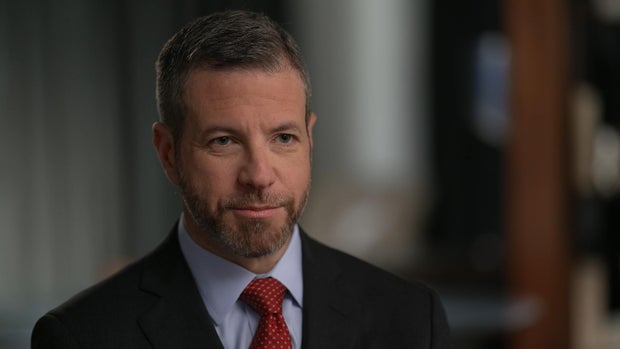
Rob Schwartz highlighted the parallels between traditional insider trading — executives exploiting business secrets — and similar misconduct in prediction markets, labeling it akin to insider trading despite the different context.
Prediction markets, like Polymarket, permit wagers on event likelihoods, encompassing forecasts of military moves. Although barred in the U.S., tools like digital workarounds facilitated Van Dyke’s alleged activities. The astonishing aspect remains the frequency of such bets paying off.
Michelle Kendler-Kretsch, from the Anti-Corruption Data Collective, analyzed Polymarket’s military bets, identifying alarming patterns of success amid low odds. Winning bets on military outcomes exceeded losses, indicating systemic insider trading.
Across the globe, in Paris, Nicolas Vaiman’s analytics firm Bubblemaps detected dubious betting clusters, prompting scrutiny. Despite Polymarket trades being transparent, anonymity shields the traders, complicating investigations.
Vaiman uncovered linked accounts earning $2.4 million from U.S. military operations bets with a staggering 98% success rate, surpassing Van Dyke’s $400,000 gain.
It’s akin to winning multiple lotteries, highlighting the implausibility of such consistent outcomes without inside information.
Furthermore, insider trading suspicions span regulated commodities markets. Former trader David Kovel highlighted peculiar oil trades on March 23 during conflict escalation. An unexpected $800 million stake anticipated an oil price drop before public revelations, sparking insider trading conjectures with potential multi-million-dollar profits.
Journalistic integrity faced threats, as Emanuel Fabian experienced intimidation after reporting on an Iranian missile strike. His work voided bets hinged on the missile’s trajectory, sparking threats from losing bettors, emphasizing the pressure surrounding military prediction markets.
Polymarket’s stance against journalist harassment led to account bans. The Commodity Futures Trading Commission remains vigilant amidst dwindling staffing and enforcement, leveraging AI for proactive market supervision.
Government recognition of prediction market vulnerabilities materialized in a March memo cautioning staff against nonpublic information misuse. Concerns about insider trading transforming into national security threats are pervasive. Adversaries accessing trade anomalies may adjust strategies accordingly, potentially endangering lives.
Federal investigations unlocked further insider trading allegations since reporting began. A Google software engineer implicated in Polymarket bets secured profits exceeding a million dollars based on inside knowledge. The engineer intends to contest the charges.
Continued surveillance by regulatory bodies and legal pursuits reinforces the imminent proliferation of cases resembling Van Dyke’s, underscoring the intricate challenges associated with predicting military events.