
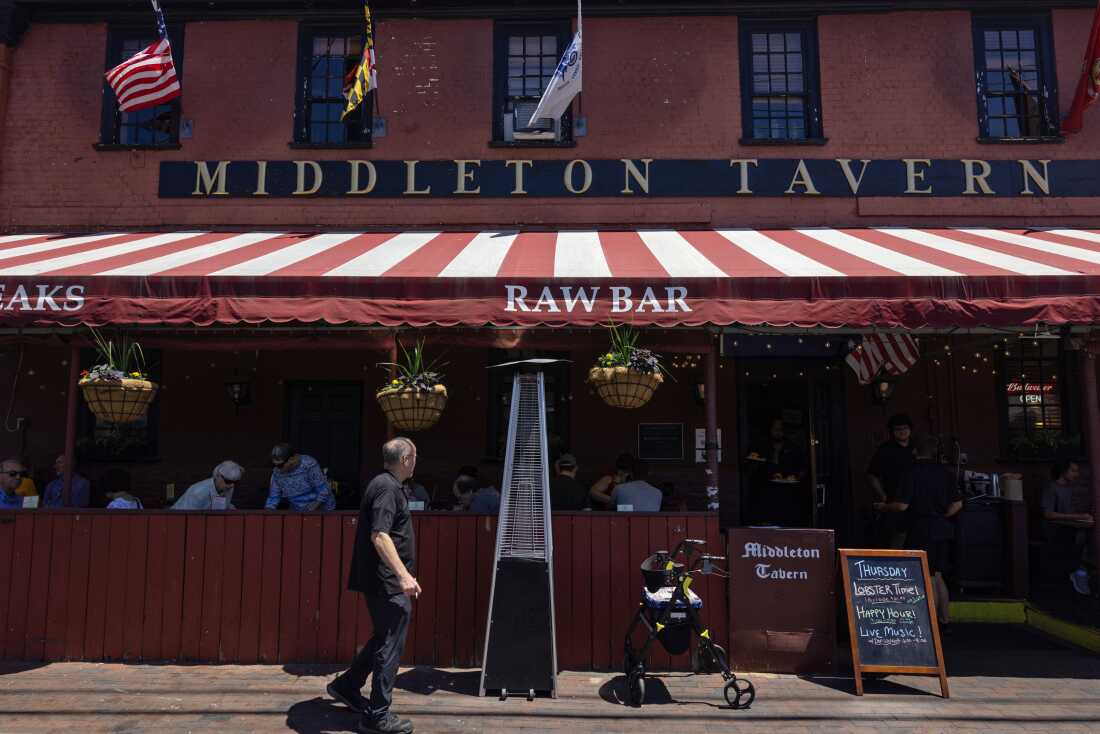
Established in 1750, Middleton Tavern in Annapolis, Maryland, stands as one of the oldest taverns in the United States, continuously serving visitors throughout the country’s history. Arthur Gross, who has served as the chef at Middleton Tavern for half a century, often ponders the tavern’s early days while preparing dishes in the kitchen.
In 1776, seafood like rockfish and crab were staple foods among Maryland’s colonists. Today, Gross orders similar staples, including 100 pounds of rockfish, 6 pounds of crab claw meat, and 10 pounds of calamari rings, alongside crackers and lemon juice. Annapolis maintains a historical charm, with reenactors in Colonial attire leading tourists, echoing the look of 1776 — if you overlook the modern cars.
Food, Not Material Wealth, Was the Mark of Status
Dana Connett from Historic Annapolis explains that food, rather than material possessions, marked wealth in 1776. Two hundred fifty years ago, social class heavily influenced the diets of colonists and the enslaved alike.
The William Paca House provides insight into Maryland’s affluent class during that era. William Paca, a signer of the Declaration of Independence, lived here from 1765 to 1780. Food historians note that despite the fight for independence, colonists, especially those in the gentry class, emulated European culinary styles and imported foods to maintain their prestige.
A spring meal set in the Paca House includes turkey soup, fried shad, collards, ham, and roast chicken. Meat was a status symbol; beef was highly sought after, while chicken was reserved for special occasions. As Joyce White notes, wasting livestock was discouraged; eggs were often prioritized over chicken meat.
Food historian Adrian Miller highlights the smaller portion sizes of the past compared to modern servings. Regional availability influenced colonists’ diets, with seafood being a frequent choice. Oysters were so abundant that they featured in construction materials. Sea creatures like terrapin were common along Maryland’s coast.
Founding Fathers and Their Culinary Influence
Historians credit Founding Fathers like Thomas Jefferson and George Washington with influencing the culinary culture of their time. Jefferson enjoyed macaroni and cheese and beef à la mode while engaging in pivotal political gatherings over meals. He even drafted plans for a macaroni machine.
Washington, while known for lavish roasts, was mindful of avoiding excessive displays of luxury. Jefferson saw food as a means to bond people, famously hosting The Dinner Table Bargain in 1790, which facilitated political compromises.
Creativity flourished at elite dining tables, with food sculptures like gelatin playing cards or cheese hedgehogs delighting guests. Parmesan cheese ice cream was a flavor available during this period.
Enslaved Chefs Behind Founding Fathers’ Meals
In the basement of the Paca House, the kitchen reveals the labor involved in meal preparation by enslaved individuals. Renowned chefs like James Hemings and Hercules Posey catered to Jefferson’s and Washington’s culinary preferences. Jefferson took Hemings to Paris to master French culinary techniques, allowing his influence on today’s macaroni and cheese recipes.
In these kitchens, meals for enslaved cooks included stewed kidneys, boiled hominy, pickled beets, and roasted sweet potatoes. However, these servings were insufficient for sustenance. Rations consisted of basic staples, supplemented by hunting and foraging.
Historian Adrian Miller points out the foundational influence enslaved Africans had on American cuisine, integrating ingredients like red pepper and okra, which have become quintessentially American over time.
Taverns as Social Hubs for the Average Folk
The Hogshead Trades Museum highlights the typical living conditions of Annapolis’s working-class residents, who shared similar diets to the wealthy, without processed enhancements. They consumed pork, ham, bacon, and offal. Taverns like Middleton’s provided social and political refuge for merchants and sailors.
Food and drink options varied widely in taverns, ranging from moldy cheese to luxurious fare. Beverages often included small beer and weak wine, illustrating the challenges of water purification during the era.
In contemporary times, the American diet is more globally influenced, noted by historian Adrian Miller. Arthur Gross at Middleton Tavern maintains focus on current needs, procuring daily food supplies amidst the tavern’s enduring history.