
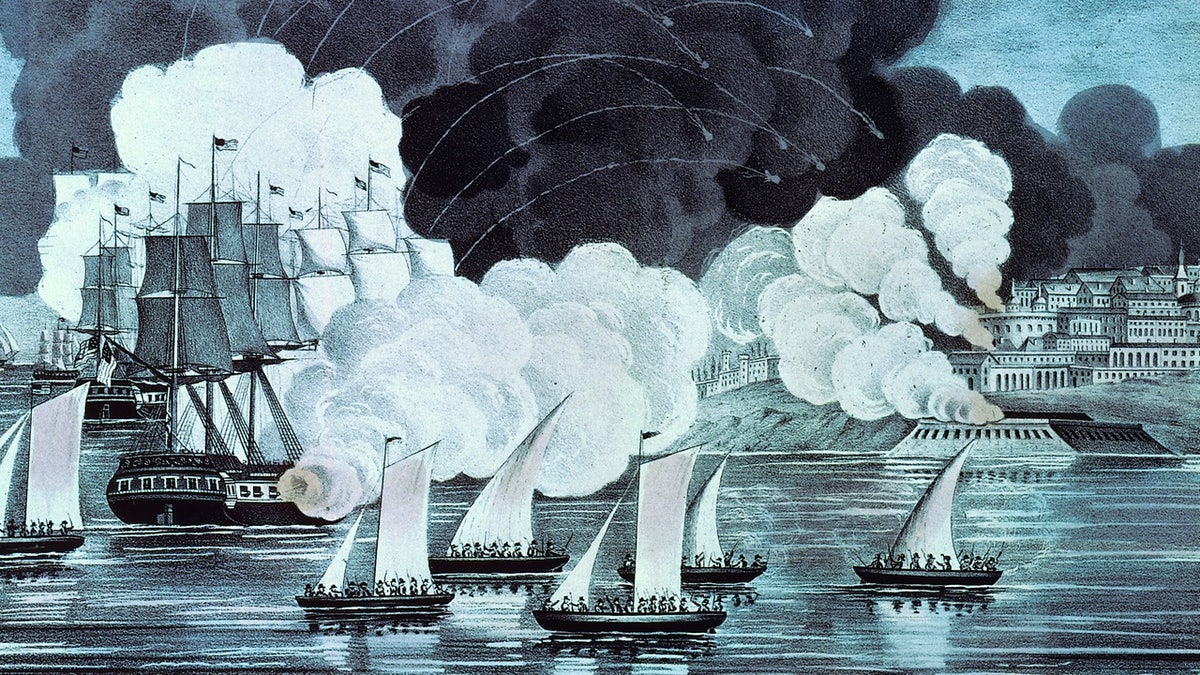
After the War of Independence, George Washington wrote to the Marquis de Lafayette regarding the threat posed by the Barbary pirates of North Africa. These pirates targeted American merchant ships in the Mediterranean, capturing their crews and harming the American economy. With limited naval resources, the young United States chose to pay monetary tribute to avoid attacks, sparking a significant debate.
Debate Between Founding Figures
The discussion centered around two key figures: John Adams and Thomas Jefferson. Adams believed in paying off the pirates to avoid conflict, while Jefferson advocated for creating a naval force to protect American interests. The struggle mirrored the challenges the United States faces today regarding maritime navigation, notably in the Strait of Hormuz, with Iran as the current concern.
Past Echoes in Modern Issues
In 1786, during discussions in London, Tripoli’s ambassador asserted Barbary’s control over the Mediterranean, demanding large tolls from any nation passing through. This encounter convinced Adams to avoid continuous war, suggesting paying tribute as more cost-effective than enduring economic losses due to shipping disruptions and increased insurance rates. Jefferson disagreed, advocating for military action and believing respect through strength was crucial for peace. However, a navy was essential to enforce such a policy.
Constitutional Implications
The disagreement between Adams and Jefferson influenced debates over adopting a Constitution to unify the states under a federal government capable of raising taxes to build a navy. James Madison argued that strength would prevent insults and danger, leading to the federalists’ victory, enabling America to build a fleet meant for combatting the pirates.
The Barbary Wars and American Resolve
The ensuing conflict, America’s first foreign war, concluded in 1815 with Barbary’s defeat. The victory resulted in safe maritime passage and immense national pride. The United States erected its first war monument at the U.S. Naval Academy, and many cities were named after Commodore Stephen Decatur, a hero of the campaign. The Marines commemorate the battle in their hymn, emphasizing the lasting impact of the conflict.
Modern Parallels
As the United States nears its 250th birthday, these historical lessons remain relevant. While the Founders eventually chose military action, the current administration pursues a dual approach with Iran, first engaging militarily, then attempting negotiation. The outcome of these efforts, and their ability to replicate past successes, remains uncertain.
Michael Oren, formerly Israel’s ambassador to the United States and author of “Clarity,” explores these historical parallels. He reflects on how historical outcomes shape decisions today, reminding readers of the complex balance between diplomacy and force.