
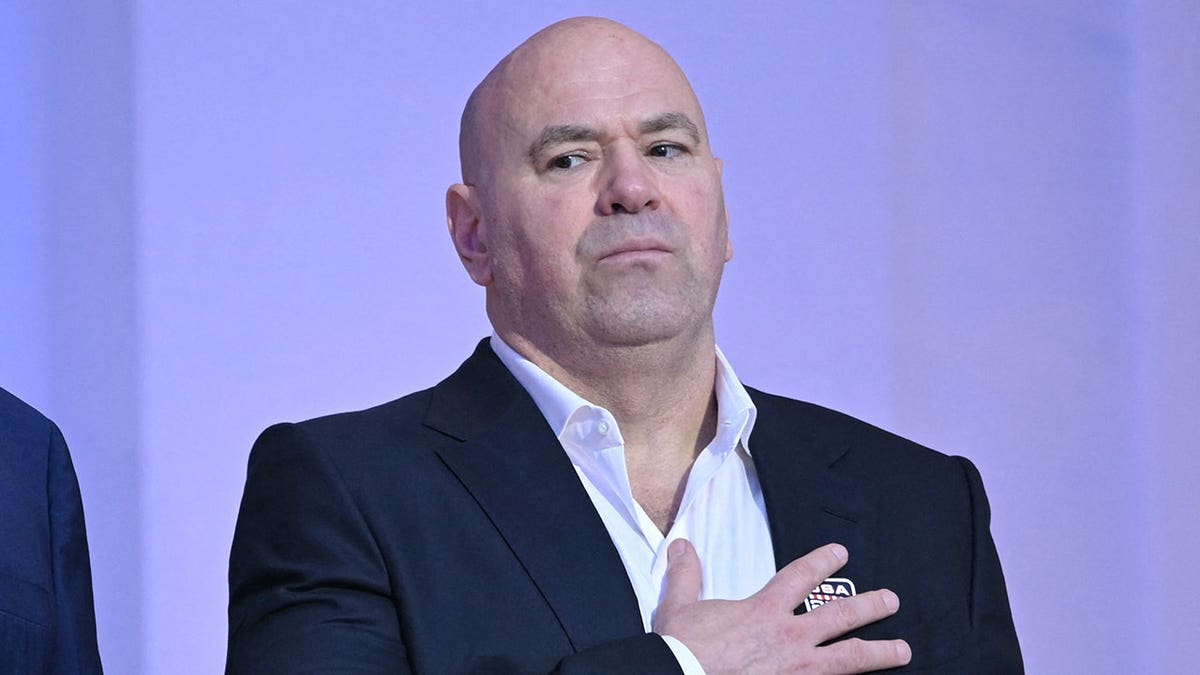
Dana White, president and CEO of UFC, has openly rejected the notion of hosting Pride Night events within the organization. During an appearance on “Tomi Lahren Is Fearless,” White was asked why the UFC refrains from organizing such events.
White explained that the UFC does not require a theme night or a public campaign to demonstrate its respect for all individuals. “I don’t care what you are or who you are or what you do,” White stated, emphasizing that the organization treats people well without needing corporate campaigns.
“I’m just not into it,” White added, illustrating his stance against engaging in what he perceives as corporate virtue-signaling activities.
This approach reflects a broader philosophy that respects free speech and individual expression. White recalled an incident where Josh Hokit, a fighter, made a controversial statement about Michelle Obama during an interview. White acknowledged the comment was ill-advised but maintained that fighters should speak freely.
In the world of baseball, a recent Pride Night event saw San Francisco Giants players using biblical references on their Pride-themed caps. This sparked a warning from Major League Baseball (MLB) due to uniform policy violations, not for the religious content. White expressed no interest in similar controversies within the UFC.
White shared he often disapproves of comments made by fighters but does not support policing speech. “I let everybody be themselves,” he stated, highlighting that respecting individuals does not require themed celebrations.
White addressed criticisms of corporate sports campaigns looking inclusive. He described how inclusion narrows when athletes with differing views express them. He argues for keeping the UFC out of such debates.
Furthermore, White criticized public-relations-driven charitable acts. He insists motivation should trump public displays. “We do it because we should,” White said, describing donations made without fanfare.
Responding directly to Pride Night inquiries, White highlighted the UFC’s commitment to doing the right thing for all communities, stating that good actions need not be publicly flaunted. “Do the right thing. Treat people right,” he concluded.