
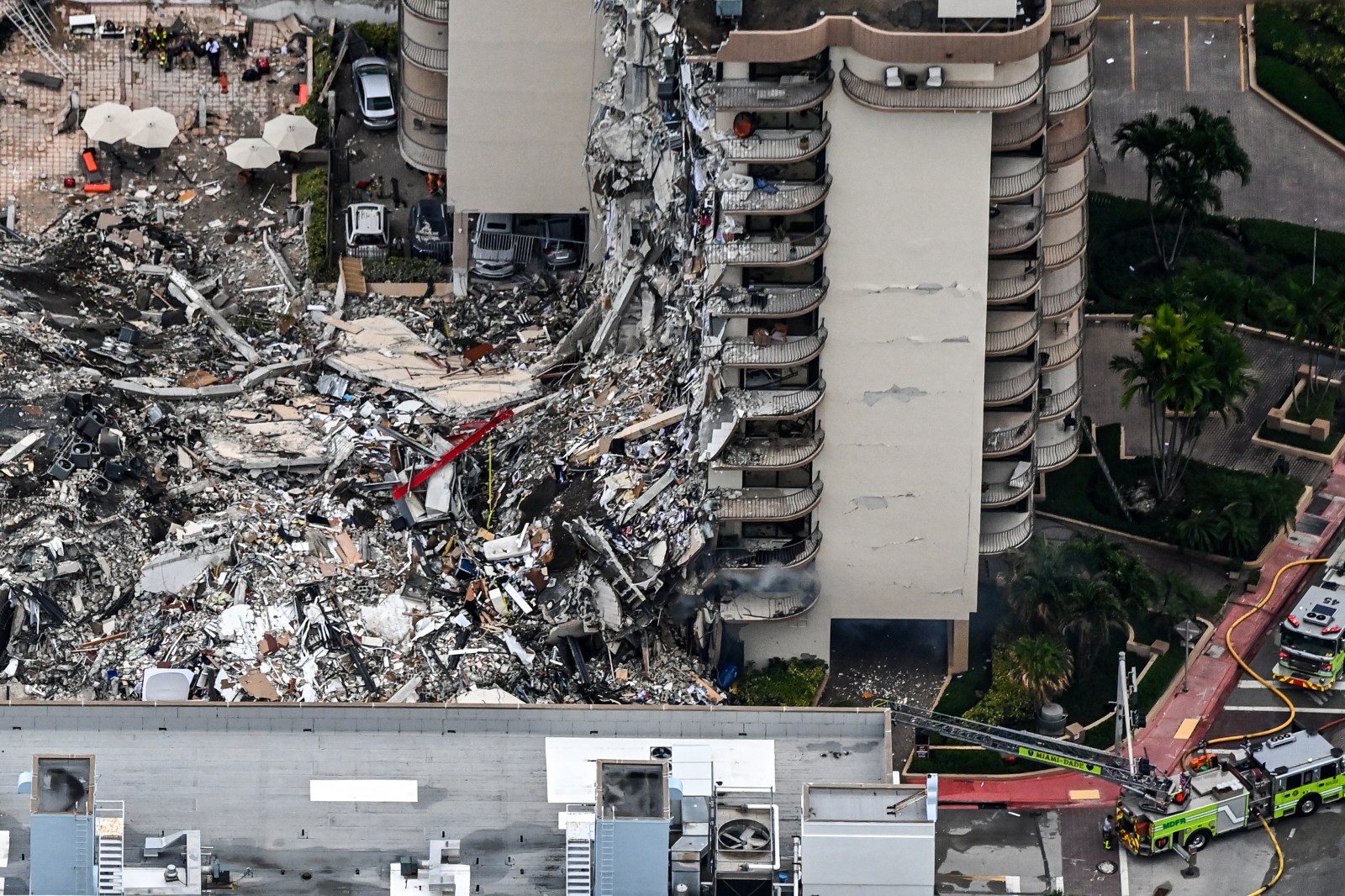
In the midst of a warm summer night on June 24, 2021, the Champlain Towers South in Surfside, Florida, partially collapsed. This 40-year-old, 12-story condo suddenly crumbled, resulting in a death toll of 98. It became one of the deadliest structural failures in U.S. history.
Stuart Z. Grossman, an attorney involved in settling nearly $1 billion for survivors and victims’ families, reflects on the tragic event. He noted the unexpected nature of the disaster, as residents went to sleep that night without foreseeing any risk.
Initial investigations highlighted that the collapse originated from the pool deck slab due to corrosion and failures. Further analysis uncovered significant design and construction errors from 1981 and decades of neglected maintenance. A 2020 report had noted insufficient funds for necessary repairs in the condo.
Legal Reforms and Response
Florida lawmakers, spurred by the magnitude of the collapse, implemented significant safety reforms. The Building Safety Act, adopted in May 2022, mandated Structural Integrity Reserve Studies for condos with three or more stories. Buildings older than 30 years, or 25 years if near the coast, are required to undergo milestone inspections by 2024. These reforms aimed to secure funds for critical safety repairs.
Florida joined ten other states in requiring reserve funds for major costs, impacting the condo market significantly. Condo owners tried to sell units, fearing increased homeowners association fees, causing property values to drop.
Gina Clausen Lozier, a property insurance expert, noted the financial strain on condo owners, especially those with mortgages. Many faced higher dues and some lost homes or had to abandon them.
Challenges and Adjustments
Governor Ron DeSantis pushed for adjustments to the building safety laws, resulting in HB 913 and HB 393, providing relief to owners. These included extensions on reserve study requirements and a pause on reserve fund contributions to focus on critical repairs.
According to Robert Smith, president of FirstService Residential’s South Region, condo boards that prepared for these changes managed well. However, some, particularly owners in older condos, faced ongoing challenges.
“For some, it is business as usual, a little bit of challenge and pain. But for others who didn’t plan, they’re still facing those challenges,” Smith stated.
Buyer Awareness and Future Concerns
The Surfside tragedy has made condo buyers more aware. They now consider factors like reserve funds and maintenance history alongside location and amenities.
Grossman is skeptical about the improvements, citing potential enforcement issues. He expressed concern over HOAs keeping inspection outcomes secret and stressed the need for transparency.
Grossman and Clausen Lozier believe that the readiness of condos for future challenges depends largely on each board’s management and commitment to making necessary repairs.
“Boards who are professionally managed and have qualified property managers are generally on top of it,” Clausen Lozier shared. She mentioned, however, that similar tragedies could still occur, particularly in areas like South Florida where aging buildings face unique risks.